Top Noise-Canceling Headphones for 2025 Enhance Focus and Comfort
Introduction
In an increasingly noisy world, noise-canceling headphones have become essential tools for creating personal sanctuaries of sound. Whether navigating crowded commutes, bustling offices, or simply seeking uninterrupted focus at home, the latest models in 2025 provide enhanced sound quality, effective noise isolation, and ergonomic design to meet diverse user needs. This article delves deeper into the technology, selection criteria, testing protocols, and notable products that define the best noise-canceling headphones this year.
Key Details
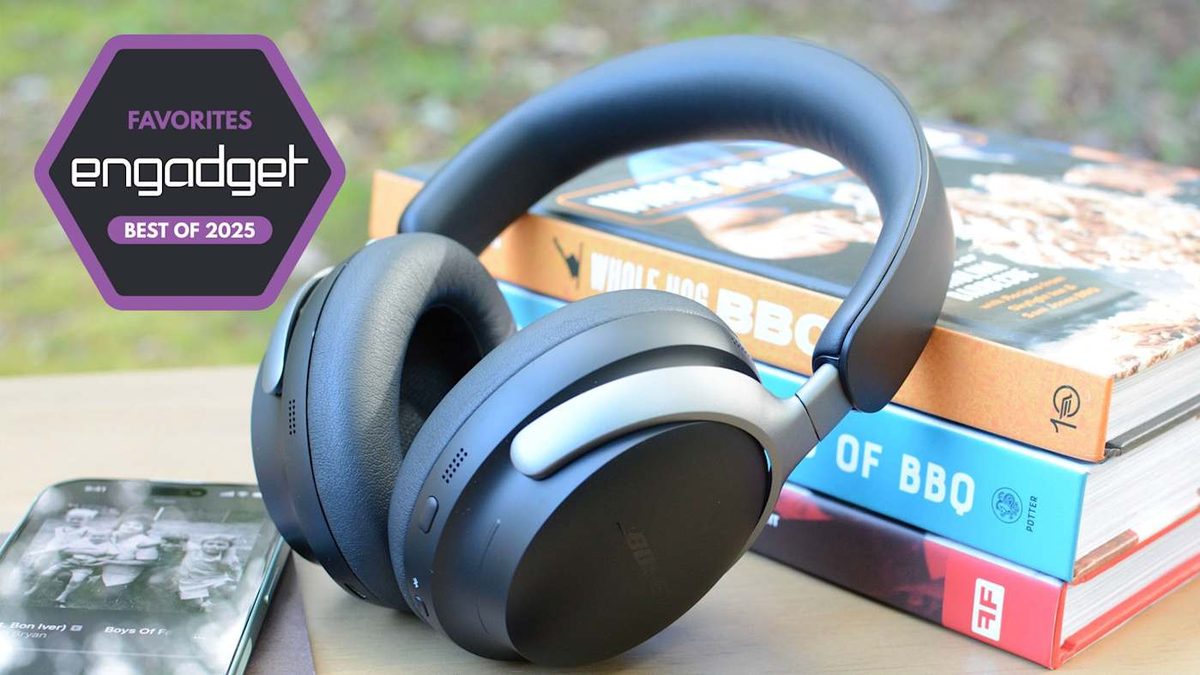
- Design Considerations: Most premium models adopt an over-ear style, leveraging full ear coverage for superior noise blocking and comfort during extended wear. Memory foam ear cups and adjustable headbands are common to reduce fatigue.
- Advanced Noise Cancellation: Hybrid and adaptive active noise cancellation (ANC) systems use multiple microphones both inside and outside the ear cups to effectively reduce ambient sounds, including challenging noises like wind and human voices.
- Customization Options: Many headphones allow users to adjust ANC levels via companion apps or presets, balancing sound isolation and battery efficiency.
- Testing Methodology: Reviewers assess headphones over days or weeks in diverse environments, focusing on sound quality, ANC effectiveness, battery life, and app features.
- Market Leaders: Notable models include Apple's AirPods Max, Sonos Ace, and Beats Studio Pro, each with distinct strengths and trade-offs in price, comfort, and features.
Background
Noise cancellation technology has evolved significantly since its inception. Early systems primarily used feedforward ANC, capturing external noise via external microphones to generate inverse sound waves. Hybrid ANC now combines feedforward and feedback microphones placed inside and outside the ear cups to detect and cancel a broader range of frequencies more effectively.
Adaptive ANC further refines this by dynamically altering noise reduction based on changing environments and ear cup fit, addressing persistent issues like wind noise and leakage. These improvements help users maintain consistent sound immersion whether indoors or outdoors.
Comfort remains a crucial factor. The prolonged use of headphones, especially by professionals and commuters, necessitates ergonomic designs that alleviate pressure points and heat buildup. Manufacturers experiment with lighter materials, breathable fabrics, and memory foam to optimize user experience.
Impact Analysis
The impact of advanced noise-canceling headphones extends beyond mere convenience. In professional settings, reducing ambient noise can enhance concentration, productivity, and communication quality during calls and virtual meetings. For commuters, effective ANC transforms daily travel by mitigating stressful background noise, leading to a more pleasant and less fatiguing journey.
Moreover, improved ANC contributes to hearing health by enabling users to listen at lower volumes, reducing the risk of noise-induced hearing loss. By cutting distractions, users can immerse themselves in audio content with greater clarity and detail.
"Hybrid and adaptive ANC technologies represent a significant leap in personal audio, offering not just noise reduction but a customizable listening experience that adapts to real-world conditions," says a leading audio expert.
Broader Context
The noise-canceling headphone market is rapidly expanding, driven by growing remote work trends, urbanization, and consumer demand for high-quality audio devices. Integration with smart assistants, support for spatial audio formats like Dolby Atmos, and wireless convenience are becoming standard expectations.
However, the price spectrum remains wide. Premium models like AirPods Max command high prices, which may deter some consumers despite their feature-rich capabilities. Mid-range options strive to balance cost and performance, broadening accessibility.
The ongoing innovation in ANC technology also intersects with environmental concerns, as manufacturers experiment with sustainable materials and longer-lasting batteries to minimize ecological footprints.
Future Outlook
Looking ahead, noise-canceling headphones will likely incorporate even more sophisticated AI-driven adaptive systems, enabling real-time personalization based on user behavior and environment sensing. Battery technology improvements could further extend usage time while reducing charging needs.
Additionally, the convergence of audio and health monitoring technologies may introduce features like biometric sensors embedded within headphones, offering insights into stress levels or focus metrics.
As wireless standards evolve, expect greater integration with other smart devices and ecosystems, making noise-canceling headphones a central hub for audio and interaction.
Conclusion
The best noise-canceling headphones of 2025 are not just about silencing the outside world—they represent a holistic enhancement of the user’s auditory experience, combining advanced technology with comfort and customization. Whether for work, travel, or leisure, these devices redefine personal audio, helping users reclaim quiet moments in an increasingly loud world.
Consumers choosing headphones today should carefully consider design, ANC type, customization features, and real-world performance to find models that best fit their lifestyle and budget. As the market grows, more options will emerge, but prioritizing proven technologies and ergonomic comfort remains key to a satisfying purchase.