Broccoli Seed Recall: Salmonella Outbreak Sickens 32, Hospitalizes 3
Introduction
A nationwide recall has been issued for broccoli seeds sold by three different companies, following a multistate outbreak of Salmonella infections. The contamination has been traced back to a single bulk seed lot, identified as No. W4105, affecting consumers who purchased and consumed sprouts or microgreens grown from these seeds. The U.S. Food and Drug Administration (FDA) confirmed the presence of Salmonella in tested seed samples, which genetically matched the outbreak strain.
Key Details
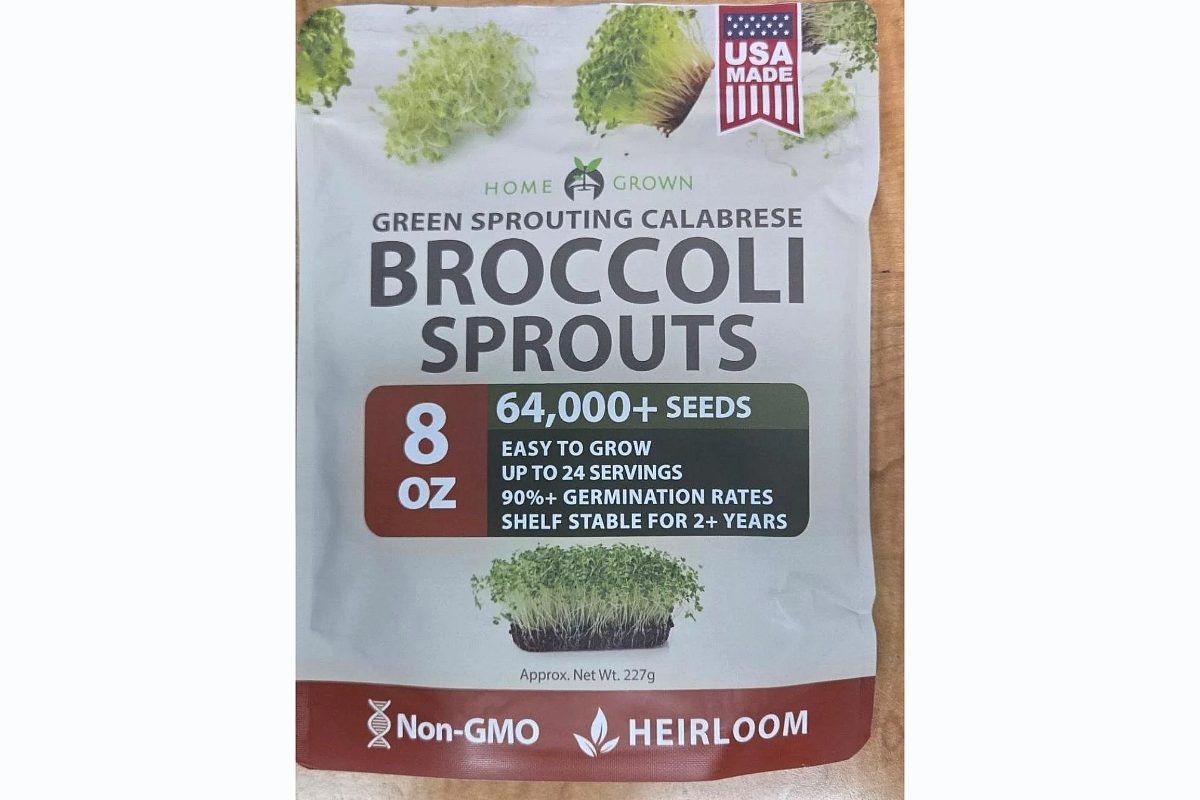
- Affected Products: Eden Brothers calabrese broccoli seeds (packets, 1-ounce, 1-pound bags, lot numbers 1022067 & 1022068); Home Grown Green Sprouting Calabrese Broccoli Seeds (8-ounce pouch, UPC 850056627443, lot code AUG172026); Gardeners Basics Waltham 29 Broccoli Sprouting Seeds (1-pound pouch, UPC 848137042889, marked “Packed for 2027”).
- Distribution Channels: Seeds were sold online through Amazon.com, EdenBrothers.com, GardenersBasics.com, TikTok Shop, Walmart, eBay, and Etsy.
- Outbreak Statistics: As of October 7, 2026, 32 people have fallen ill across Idaho, Minnesota, Montana, Oregon, Utah, and Washington. Three individuals have been hospitalized. No deaths have been reported.
- Consumption Link: Approximately 96% of interviewed patients reported consuming sprouts or microgreens prior to becoming sick.
- Recall Instructions: Consumers are advised to stop using the recalled seeds, which includes planting, sprouting, growing microgreens, or sharing them. Seeds should be sealed in a bag and disposed of in household trash, not compost. Thoroughly wash hands, containers, and surfaces that came into contact with the seeds.
Background
The recall highlights a critical vulnerability in the food supply chain, particularly concerning raw produce like sprouts and microgreens, which are often consumed without further cooking. These products are known to be susceptible to bacterial contamination if the seeds themselves are compromised. The outbreak originated from a single, shared seed lot, emphasizing the interconnectedness of seed suppliers and the widespread impact a single point of failure can have. The FDA’s testing confirmed the genetic link between the Salmonella found in the seeds and the strain causing illness in multiple states.
Impact Analysis
The immediate impact of this recall is the disruption for consumers who purchased these seeds for home cultivation. More significantly, it raises public health concerns due to the confirmed Salmonella infections. While the number of hospitalizations is relatively low compared to the total number of cases, it underscores the potential severity of Salmonella infections, especially for vulnerable populations such as young children, the elderly, and individuals with compromised immune systems. The recall also imposes a burden on the involved companies, requiring them to manage product returns, notify consumers, and address potential reputational damage.
“People should seal the seeds in a bag and put them in the household trash rather than a compost pile. Hands, containers and surfaces that touched the seeds should be washed,” advised the FDA and the companies involved in the recall.
Broader Context
This incident is not isolated. Sprouts, in general, have been a recurring source of foodborne illness outbreaks globally. Their cultivation process, which involves warm, moist conditions, creates an ideal environment for bacterial growth if present on the seeds. Regulatory bodies like the FDA continuously work with the industry to implement preventative measures, including seed testing and treatment protocols. However, as this recall demonstrates, challenges remain in ensuring the complete safety of the seed supply. The FDA is also investigating a separate outbreak linked to alfalfa sprouts involving Salmonella and a toxin-producing strain of E. coli, indicating ongoing risks within the sprout industry.
Future Outlook
Moving forward, this recall may prompt stricter oversight and enhanced testing protocols for seeds intended for sprouting and microgreen cultivation. Consumers are likely to become more cautious, seeking assurances of seed safety and potentially opting for commercially processed sprouts that undergo rigorous safety checks. The companies involved will need to reinforce their supplier verification processes to prevent future occurrences. Public health agencies will continue to monitor for outbreaks and educate consumers on safe food handling practices, particularly concerning raw produce.
Conclusion
The recall of these broccoli seeds serves as a stark reminder of the potential health risks associated with contaminated produce, even at the seed stage. The multistate Salmonella outbreak underscores the importance of robust food safety regulations, vigilant monitoring by health authorities, and informed consumer practices. While the immediate health impact appears manageable, the incident highlights the need for continuous improvement in food supply chain safety to protect public health from preventable foodborne illnesses.
Source: drugs.com