Senate Scrutinizes Trump's Health Nominees Amidst HHS Leadership Vacuum
Introduction
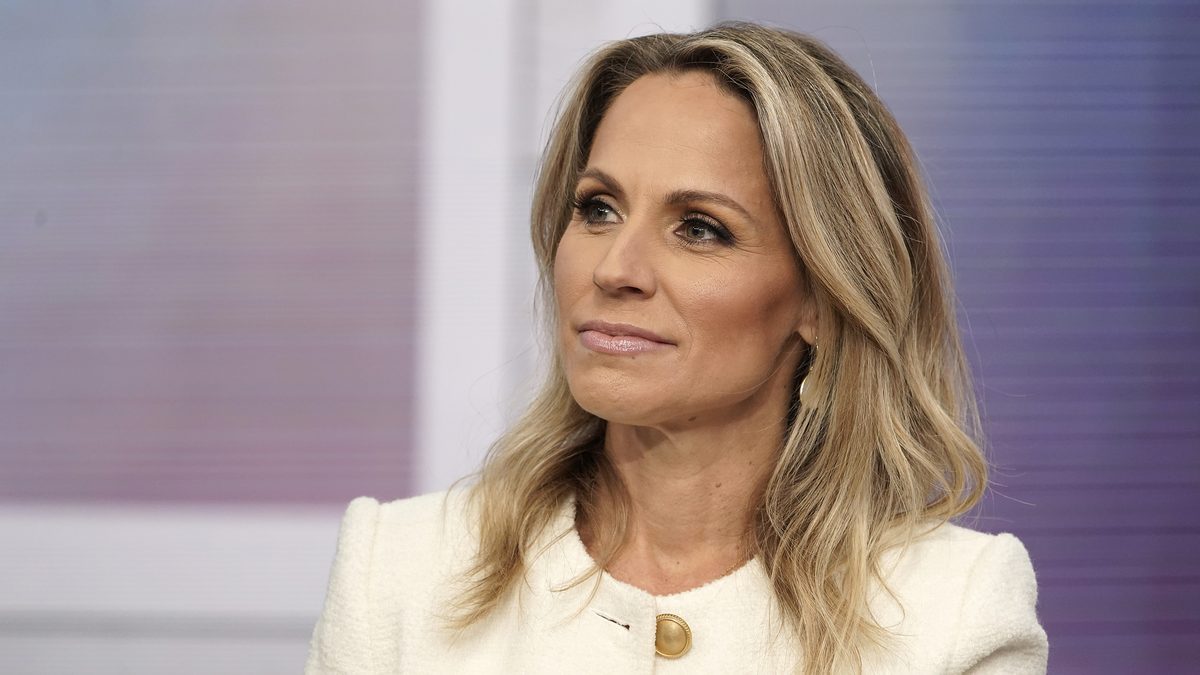
The U.S. Senate Committee on Health, Education, Labor, and Pensions is set to convene a crucial hearing to consider three significant nominations for leadership positions within the Department of Health and Human Services (HHS). This session comes at a critical juncture, with the department having operated without a confirmed Surgeon General for an extended period. The nominees include a third candidate for the Surgeon General role, Dr. Nicole Saphier, alongside Chris Klomp for Deputy Secretary and Dr. Timothy Westlake for Assistant Secretary for Mental Health and Substance Use. The proceedings are expected to be rigorous, particularly given the strained relationship between Health Secretary Robert F. Kennedy Jr. and Congress, and the administration's past difficulties in securing Senate confirmations for health positions.
Key Details
- Surgeon General Nominee: Dr. Nicole Saphier, a radiologist and former Fox News contributor, is the third individual nominated for this post. Her nomination follows the withdrawal of Dr. Casey Means and the earlier dropping of Dr. Janette Nesheiwat.
- Deputy Secretary Nominee: Chris Klomp, currently serving as Director of the Center for Medicare and previously as Chief Counselor to Secretary Kennedy, is nominated for Deputy Secretary. He has a reputation as a pragmatic leader within HHS.
- Assistant Secretary Nominee: Dr. Timothy Westlake, currently Chief of Staff at the Substance Abuse and Mental Health Services Administration (SAMHSA), is nominated to lead the agency's efforts in Mental Health and Substance Use.
- Key Issues: Senators are expected to question nominees on a range of critical public health issues, including vaccine policies (particularly concerning COVID-19 boosters and the Hepatitis B vaccine), abortion medication, drug pricing, and responses to public health crises like measles outbreaks.
Background
The prolonged vacancy in the Surgeon General's office underscores the challenges the administration has faced in staffing its top health roles. Dr. Casey Means, the second nominee, saw her confirmation process falter after initial delays and a contentious hearing. The first nominee, Dr. Janette Nesheiwat, was withdrawn due to questions regarding her credentials. Dr. Saphier, a radiologist with a medical degree from a Caribbean university, brings a different profile. While lacking a formal public health background, her past media appearances and writings on health topics, including her book “Make America Healthy Again,” have drawn attention. Her views on vaccine mandates and specific vaccine recommendations, such as the Hepatitis B vaccine for newborns, are likely to be a focal point, especially given the committee chair's background as a physician.
Chris Klomp's nomination for Deputy Secretary is significant. As second-in-command, his role is pivotal in the day-to-day operations of HHS. His previous experience at the Center for Medicare and his recent role as Chief Counselor to Secretary Kennedy suggest a deep understanding of the department's complex machinery. His confirmation hearing before the Senate Finance Committee indicated a generally favorable reception, though specific policy areas like drug pricing and responses to measles outbreaks were areas of focus.
Dr. Westlake's nomination comes at a time when SAMHSA itself has undergone significant restructuring and staff reductions under Secretary Kennedy. His leadership will be crucial in addressing the ongoing opioid crisis and mental health challenges, particularly in the wake of proposed agency reforms that faced legal challenges.
Impact Analysis
The confirmation of these nominees is vital for the effective functioning of HHS. A confirmed Deputy Secretary like Klomp would provide much-needed stability and operational leadership, enabling the department to better execute its mandate. Dr. Saphier's potential role as Surgeon General, while debated, could bring a new voice to public health communication. However, her past statements on vaccines may necessitate careful navigation to ensure public trust and adherence to established scientific consensus. Dr. Westlake's leadership at SAMHSA is critical for tackling the escalating mental health and substance use crises, requiring a steady hand amidst agency reforms.
The scrutiny over vaccine policies, particularly from a committee chair who is a medical doctor, highlights the intersection of political discourse and public health science. Senator Cassidy's past emotional appeals regarding Hepatitis B deaths suggest a deep personal investment in preventing vaccine-preventable diseases, which could influence his questioning of Dr. Saphier.
Broader Context
This series of confirmation hearings occurs within a broader context of political polarization surrounding health policy in the United States. The administration's approach to public health, including its stance on vaccine efficacy and its engagement with controversial figures or theories, has often placed it at odds with established scientific bodies and public health experts. Secretary Kennedy's own confirmation was fraught with controversy, and his subsequent relationship with Congress has been marked by tension. The repeated difficulties in confirming a Surgeon General reflect these broader challenges in achieving bipartisan consensus on health leadership.
Furthermore, the focus on issues like drug pricing, abortion medication, and responses to infectious disease outbreaks like measles places these nominations at the center of ongoing national debates about healthcare access, reproductive rights, and the government's role in public health emergencies. The administration's past skepticism towards certain public health measures, including vaccine mandates, adds another layer of complexity to these confirmations.
Future Outlook
The outcomes of these confirmation hearings will significantly shape the future direction of key HHS initiatives. If confirmed, Klomp is expected to play a central role in implementing the administration's health agenda. Dr. Saphier's potential tenure as Surgeon General could influence public health messaging, though her effectiveness may depend on her ability to bridge divides and foster trust. Dr. Westlake's leadership at SAMHSA will be crucial for addressing critical mental health and substance use issues, especially as the agency navigates proposed structural changes.
The administration's ability to secure these confirmations will be a barometer of its capacity to navigate congressional oversight and build consensus on health policy. The ongoing engagement with complex issues like vaccine hesitancy and the opioid crisis indicates that the challenges facing HHS are substantial and will require sustained, evidence-based leadership.
Conclusion
The Senate's vetting of Dr. Saphier, Chris Klomp, and Dr. Timothy Westlake represents a critical step in establishing the leadership framework for the Department of Health and Human Services. The hearings are poised to delve into nominees' qualifications, policy stances, and past statements, particularly concerning sensitive public health issues like vaccination. The administration's success in filling these vital roles will be a key indicator of its ability to effectively manage national health priorities and navigate the complex political landscape surrounding healthcare in the United States. The outcomes will undoubtedly influence the trajectory of public health policy and the department's capacity to respond to pressing health challenges.
Source: npr.org