Unraveling Ulcerative Colitis: How Dysbiosis, OTUD3 Mutations, and STING Pathway Shape Disease Severity
Unraveling Ulcerative Colitis: How Dysbiosis, OTUD3 Mutations, and STING Pathway Shape Disease Severity
Introduction
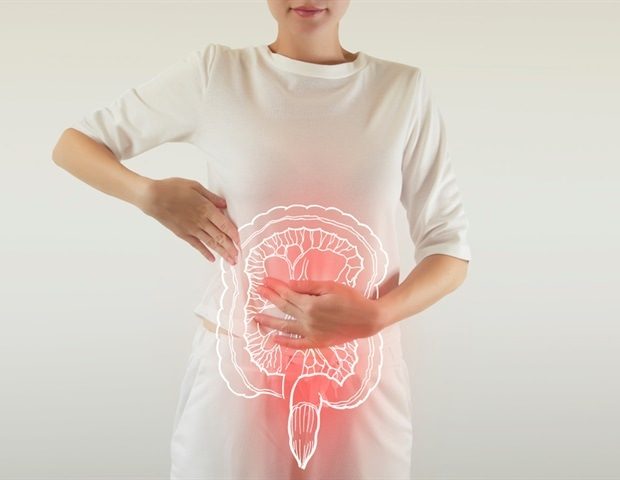
Ulcerative colitis (UC) is a chronic inflammatory condition of the colon that profoundly impacts millions of people globally, manifesting through debilitating symptoms such as abdominal pain, cramping, and frequent bloody diarrhea. Recent scientific advances have begun to illuminate the complex mechanisms underlying UC, emphasizing how microbial imbalances in the gut (dysbiosis), genetic factors, and immune signaling pathways converge to influence disease progression and severity.
Key Details
- A growing body of evidence identifies dysbiosis, or microbial imbalance in the intestinal flora, as a pivotal factor exacerbating UC symptoms.
- Mutations in the OTUD3 gene, which plays a role in protein regulation and immune response, have been linked to heightened inflammation and tissue damage in UC patients.
- The STING (Stimulator of Interferon Genes) pathway, a critical component of innate immunity, mediates inflammatory signaling in response to cellular stress and is implicated in UC severity.
- Collectively, the interaction between these three elements—dysbiosis, OTUD3 mutations, and STING activation—may determine the clinical course and intensity of ulcerative colitis.
Background
Ulcerative colitis belongs to the group of inflammatory bowel diseases (IBD) characterized by chronic inflammation of the large intestine. While the exact cause remains elusive, UC is believed to result from an inappropriate immune response to gut microbial antigens in genetically predisposed individuals. In recent years, greater attention has been paid to the role of gut microbiota—the complex community of microorganisms living in the digestive tract—and how its imbalance can aggravate mucosal inflammation.
The OTUD3 gene encodes a deubiquitinase enzyme involved in regulating protein degradation and immune signaling pathways. Alterations in OTUD3 function may disrupt immune homeostasis, potentially intensifying inflammatory responses. Meanwhile, the STING pathway serves as a molecular sensor for cytosolic DNA, triggering production of interferons and other inflammatory mediators that contribute to immune defense—and, when dysregulated, to chronic inflammation.
Impact Analysis
The identification of the combined influence of dysbiosis, OTUD3 mutations, and STING signaling on UC severity offers several critical insights:
- Improved understanding of disease mechanisms: This integrative perspective bridges microbial ecology, genetics, and immunology, highlighting how these factors collectively exacerbate intestinal inflammation.
- Potential for personalized medicine: Recognizing the genetic and microbial profiles that modulate STING activity could enable clinicians to tailor treatments based on individual patient risk factors.
- New therapeutic targets: Modulating the STING pathway or correcting dysbiosis through probiotics, antibiotics, or fecal microbiota transplantation could emerge as promising adjunctive therapies.
Broader Context
This research aligns with a broader trend in medicine focusing on the gut microbiome's role in autoimmune and inflammatory diseases. It also exemplifies the shift towards precision medicine, where understanding genetic predispositions and environmental triggers informs disease management. Furthermore, insights into STING signaling extend beyond UC, as this pathway is implicated in cancer, infectious diseases, and other inflammatory disorders.
Future Outlook
Ongoing studies are expected to further delineate how OTUD3 mutations mechanistically modulate STING activity and interact with microbial communities in the gut. Clinical trials exploring STING inhibitors or modulators, combined with microbiome-targeted interventions, may pave the way for novel, more effective UC treatments. Additionally, advancements in genetic screening could help identify at-risk individuals before the onset of severe disease, enabling preventative strategies.
Conclusion
The convergence of dysbiosis, OTUD3 gene mutations, and STING immune signaling marks a significant step forward in understanding ulcerative colitis pathogenesis. By unraveling these interactions, researchers are opening new horizons for personalized therapies and improved patient outcomes, underscoring the importance of integrated approaches in tackling complex chronic diseases.