Breakthrough Lunar Technology: Producing Water, Oxygen, and Fuel from Moon Soil
Breakthrough Lunar Technology: Producing Water, Oxygen, and Fuel from Moon Soil
Introduction
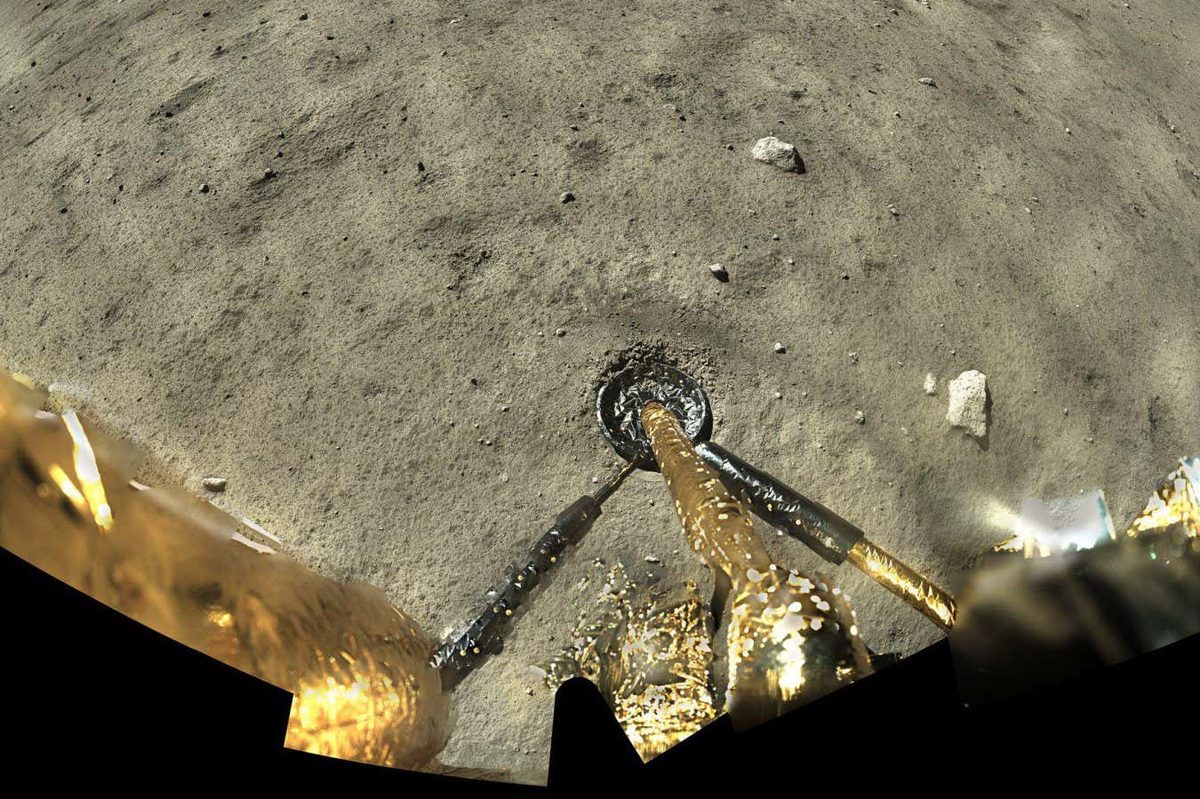
In a significant development for space exploration, researchers have unveiled a novel approach to extract essential resources from lunar regolith, the layer of loose soil and rock on the Moon's surface. This innovation, developed using samples collected by the Chinese Chang’e 5 mission, promises to revolutionize human habitation on the Moon by producing water, oxygen, and fuel directly from lunar materials. This technology could fundamentally change the logistics of space missions, reducing the need for transporting these critical resources from Earth.
Key Details
- Source of Research: The method is based on lunar regolith samples gathered during the Chang’e 5 mission, which successfully returned to Earth in December 2020.
- Resource Extraction: The researchers found a way to release water contained in the lunar soil and process carbon dioxide, which astronauts would exhale during missions.
- In-Situ Resource Utilization (ISRU): This technique is a part of ISRU, which aims to utilize local materials in space rather than relying solely on Earth-based supplies.
- Potential Applications: This technology could support long-term human habitation on the Moon and serve as a stepping stone for future Mars missions.
Background
The Chang’e 5 mission marked a milestone in lunar exploration, being China's first mission to bring back samples from the Moon. Launched in November 2020, it successfully returned to Earth with nearly 2,000 grams of lunar soil and rock, providing unprecedented insights into the Moon's geological history and composition. Researchers have long sought ways to utilize lunar materials to support human missions, particularly as plans for sustainable lunar bases become more concrete.
Historically, space missions have relied heavily on supplies transported from Earth. This approach is both costly and logistically challenging. As space agencies around the world, including NASA, ESA, and CNSA, pursue ambitious goals for lunar exploration, the need for technologies that can leverage local resources has become more pressing. The ability to extract water, oxygen, and fuel from lunar materials stands to reduce the dependency on Earth and enable longer missions.
Analysis
The implications of this research extend beyond just the Moon. The ability to produce essential resources in space introduces a paradigm shift in how humanity approaches long-duration missions. For instance, the production of water could support life support systems for astronauts, while the generation of oxygen is essential for breathing and water electrolysis could enable the production of hydrogen fuel.
This technology also aligns with the growing interest in establishing a sustainable presence on the Moon. As nations and private entities aim to create lunar outposts and eventually use them as a launching pad for Mars exploration, in-situ resource utilization becomes a cornerstone technology. It could allow for a more permanent human presence on the lunar surface, fostering scientific research, commercial activities, and even tourism.
Moreover, this development can stimulate interest in lunar research and exploration. As technological advancements continue to make lunar missions feasible, more nations may seek to invest in their own space programs. This could lead to an era of international collaboration or competition in space exploration, particularly as countries work towards similar objectives of establishing a foothold on the Moon.
Conclusion
The discovery of a method to extract water, oxygen, and fuel from lunar regolith represents not only a significant scientific achievement but also a crucial step towards sustainable lunar exploration. As researchers continue to refine and develop this technology, it holds the potential to redefine our capabilities in space, paving the way for future missions to Mars and beyond. This innovation underscores the importance of in-situ resource utilization, heralding a new era of exploration where humanity can thrive beyond Earth.