The Rarest Pasta on Earth: Su Filindeu and Its Near-Impossible Craft
Introduction
Among the world’s vast variety of pastas, one stands out not for popularity or taste alone, but for its rarity and the extraordinary difficulty in producing it. Su Filindeu, translated as "the threads of God," is a Sardinian pasta renowned as the rarest noodle in existence, crafted through a painstaking process known only to a handful of women in the village of Lula. This delicate culinary art has been preserved for centuries, traditionally made only for pilgrims completing religious journeys. Yet, today, su filindeu faces an uncertain future as the number of practitioners dwindles.
Key Details
- Su Filindeu is made from only three ingredients: flour, water, and salt.
- The dough must be stretched, folded, and looped exactly 256 times to create ultra-thin threads.
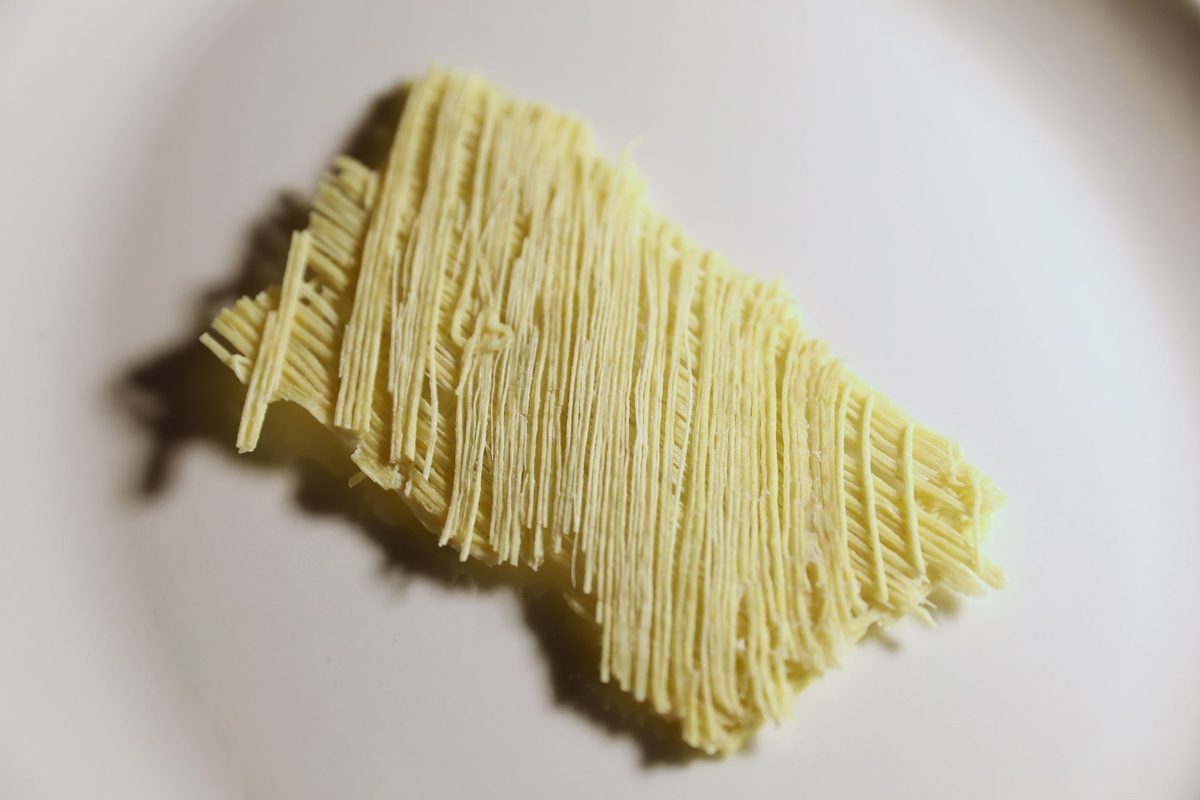
- The resulting threads are layered in a criss-cross pattern and dried under the sun.
- Traditionally cooked in mutton broth and finished with sheep’s milk cheese.
- Only a few women in Lula retain the skills to make it, with the current matriarch, Paola, training outsiders to preserve the craft.
- The complexity of the process has resisted mechanization, even by major pasta producers like Barilla.
- Some chefs outside Sardinia, including in Los Angeles, have begun serving su filindeu, raising questions about commercialization.
Background
Su Filindeu’s origins trace back centuries on the island of Sardinia, Italy. Embedded in religious tradition, the pasta was historically reserved for pilgrims who completed arduous journeys, symbolizing a sacred connection through food. The preparation method is so intricate that it involves stretching thin threads by hand, a process that requires immense skill and patience. The name itself, "threads of God," reflects the reverence and near-spiritual status the pasta holds.
The craft has traditionally been an intimate knowledge passed down exclusively among women in Lula, Sardinia, a small village where this culinary legacy lives on. The handmade strands are reportedly so fine that they make common angel hair pasta seem thick by comparison. Their delicate texture dissolves on the tongue, offering a unique sensory experience.
Impact Analysis
The rarity and complexity of su filindeu make it a symbol of cultural heritage but also a case study in how traditional crafts face extinction in the modern era. The fact that the process cannot be automated—even by companies with vast resources—highlights the unique human element involved. It also underscores challenges in preserving artisanal food traditions in a rapidly industrializing world.
The decision by the current matriarch, Paola, to teach outsiders represents a double-edged sword. While it broadens the knowledge base and may help the tradition survive, it also introduces issues of authenticity, cultural appropriation, and commercialization. The appearance of su filindeu in restaurants outside Sardinia, such as in Los Angeles, reflects increasing global curiosity about rare and authentic culinary experiences, but it also raises questions about whether such sacred practices can or should be commodified.
Broader Context
Su Filindeu’s story fits within a larger global conversation about preserving intangible cultural heritage. Many traditional crafts—whether culinary, artistic, or ritualistic—are threatened by modernization, population shifts, and globalization. UNESCO’s efforts to protect cultural heritage emphasize the importance of transmission through generations, community involvement, and adaptation without losing core identity.
Within Italy itself, many regional foods and artisanal processes are protected by designations like Protected Geographical Indication (PGI), reflecting efforts to maintain authenticity amid commercial pressures. Su Filindeu exemplifies how food can be both a living tradition and a fragile one, vulnerable to disappearance without active preservation.
Future Outlook
The future of su filindeu depends largely on the willingness and ability of its custodians to pass on the knowledge and attract new learners. Paola’s initiative to open doors to outsiders is a promising sign; however, it requires careful balance to maintain respect for the tradition while adapting to contemporary realities.
Moreover, raising public awareness through media coverage, podcasts like "The Weirdest Thing I Learned This Week," and culinary tourism could provide the economic incentives needed to sustain the craft. However, there is a risk that commercialization might dilute the cultural and spiritual meaning behind su filindeu, turning it into merely an exotic delicacy rather than a cherished heritage.
Conclusion
"The rarest pasta on earth is almost physically impossible to make, a testament to human skill and cultural preservation."
Su Filindeu stands as a remarkable example of how food transcends nourishment to embody history, religion, and artistry. Its near-impossible creation process, combined with the few remaining artisans preserving it, highlights urgent questions around cultural heritage in a modern world. As efforts continue to safeguard this "threads of God" pasta, it challenges us to consider how societies value, protect, and evolve their traditions.