Apple Seeks Damages After iOS 26 Leak Involving Employee’s Stolen Device
Introduction
Apple, a company known for its stringent secrecy and control over product information, has taken legal action against technology leaker Jon Prosser and Michael Ramacciotti, accusing them of conspiring to steal trade secrets related to the upcoming iOS 26 operating system. The lawsuit was filed in the Northern District of California and stems from events earlier in 2025, involving unauthorized access to a development iPhone belonging to an Apple employee.
Key Details
- Apple alleges that Ramacciotti and Prosser conspired to break into an Apple developer’s iPhone to capture confidential information related to iOS 26.
- Michael Ramacciotti was staying with Ethan Lipnik, an Apple software designer, and used location tracking to ensure Lipnik was away before accessing the device.
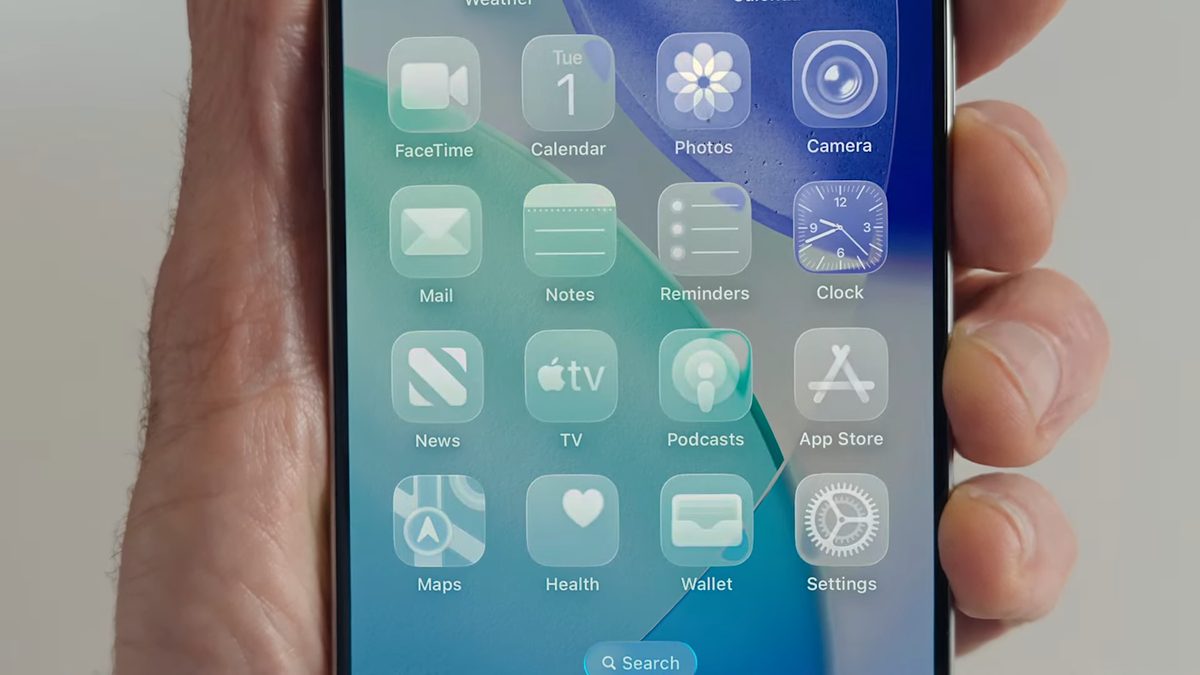
- Ramacciotti made a FaceTime call to Prosser from the device to show unreleased features, which Prosser recorded using screen capture software.
- Prosser used the footage to produce videos showcasing mockups of iOS 26 features on his YouTube channel Front Page Tech.
- Apple terminated Lipnik’s employment for failing to safeguard confidential information.
- Apple discovered the breach following an anonymous tip and possesses additional evidence, including an apology voice note allegedly from Ramacciotti.
- The lawsuit seeks an injunction to prevent further use or disclosure of Apple’s proprietary information and damages, with a jury trial requested.
Background
Jon Prosser has gained notoriety as a source of Apple leaks for years, with a significant audience on YouTube for his technology-related content. His videos often include renders of upcoming Apple products and software features, which are typically subject to intense speculation and attention from Apple enthusiasts and industry watchers. However, Apple claims that this time the information did not come from public rumors or secondary leaks but was obtained through direct unauthorized access to internal devices.
Apple’s development iPhones contain pre-release software and design information critical to the company’s innovation pipeline. The company uses various internal security measures, including embedded identifiers in software builds, to identify leaks. This lawsuit highlights the risks Apple faces in protecting its intellectual property during development cycles.
Impact Analysis
The lawsuit signals Apple's intensified effort to deter leaks and protect its trade secrets, which are vital in maintaining competitive advantage. The loss or exposure of unreleased features can undermine product launches, erode market surprise, and potentially impact stock prices.
For Prosser, the allegations risk not only legal consequences but also damage to his credibility and future access to insider information. Prosser publicly denied orchestrating the theft, emphasizing that he was unaware of the exact circumstances surrounding the unauthorized access.
"For the record: I certainly did not 'plot' to access anyone’s phone and was unaware of the situation playing out," Prosser stated on social media.
The case also underscores the vulnerability of employees who are entrusted with sensitive information, raising questions about internal security protocols and the responsibility of individuals in safeguarding corporate secrets.
Broader Context
Trade secret theft in the technology sector has become a growing concern as companies compete fiercely in innovation. High-profile leaks can cause substantial financial and reputational damage. Apple’s lawsuit is part of wider industry efforts to clamp down on unauthorized disclosures and to set legal precedents that deter insiders and outsiders alike.
Additionally, the evolving nature of remote work and the blending of personal and professional environments have complicated information security. In this case, Ramacciotti was allegedly staying at the employee’s residence, which may have facilitated unauthorized access in ways that traditional workplace security measures cannot easily address.
Future Outlook
The outcome of this lawsuit could have significant implications for how technology companies enforce confidentiality agreements and monitor their employees' environments. Enhanced security protocols, increased legal scrutiny, and possibly stricter internal controls might emerge as standard practices.
For content creators who rely on leaks to generate views and revenue, this case serves as a cautionary tale about the legal and ethical boundaries involved in obtaining and disseminating confidential information. The industry will likely watch closely to see how courts interpret responsibilities and liabilities in such scenarios.
Conclusion
Apple’s legal action against Jon Prosser and Michael Ramacciotti reveals the high stakes involved in protecting unreleased technology in today’s digital age. As the tech giant seeks damages and injunctions, the case highlights critical issues around intellectual property, employee responsibility, and the challenges companies face in securing innovation. The trial promises to be a landmark moment in the ongoing battle between corporate secrecy and public curiosity.