Amazon's Robot Surge: Reshaping Warehouses and Human Roles
Introduction
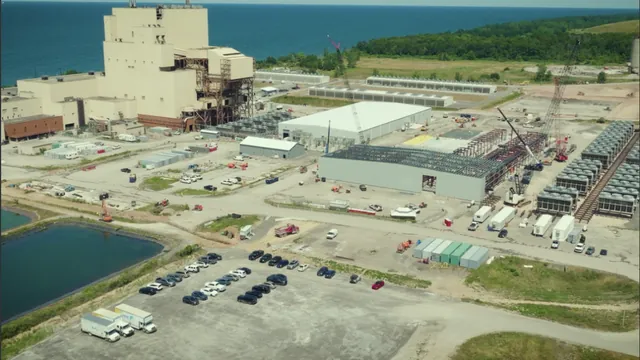
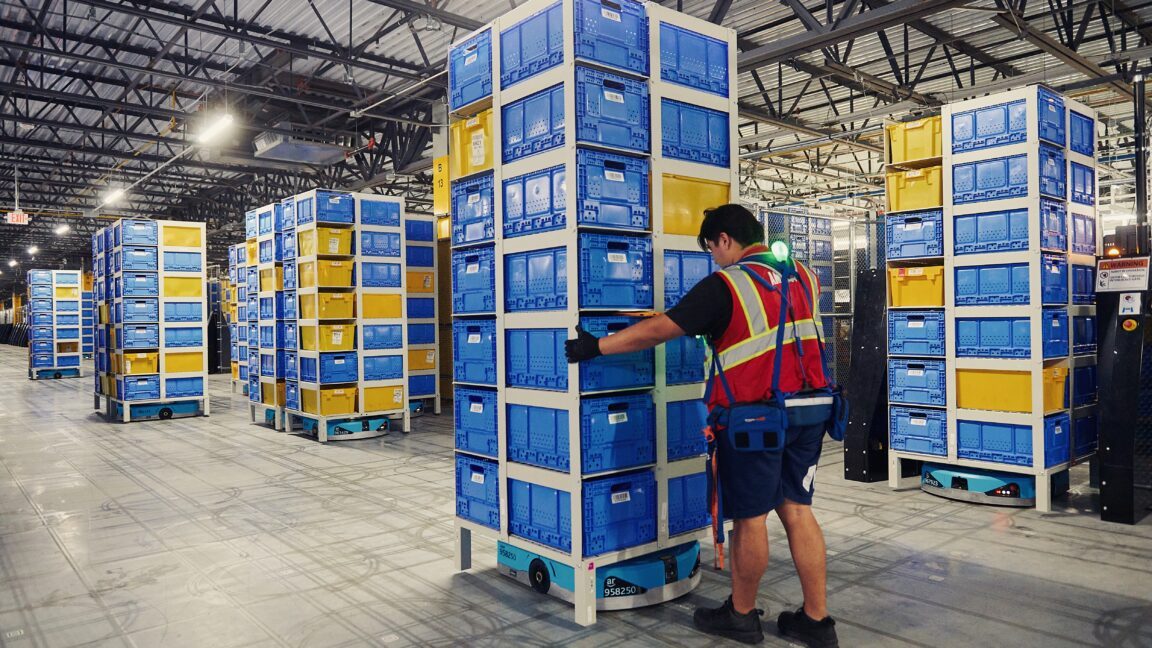
Amazon, a titan of global e-commerce, is at the forefront of a robotic revolution within its vast network of fulfillment centers. The company operates more robots than any other organization worldwide, with a fleet exceeding one million machines working around the clock. These robots are instrumental in facilitating tens of millions of same-day and one-day package deliveries daily. Furthermore, Amazon is actively expanding its robotic capabilities by establishing new facilities to produce increasingly sophisticated automated workers, signaling a significant growth trajectory for its automated workforce in the coming years.
Key Details
- Robot Fleet Size: Over 1 million robots currently operational in Amazon warehouses.
- Human Workforce: Amazon remains the second-largest corporate employer globally, with over 1.5 million human employees.
- Automation Goals: Executives state that robots are deployed to alleviate the physical burden and reduce injury risks associated with demanding fulfillment center tasks.
- Collaborative Robots: A new generation of robots works in close proximity to humans, capable of setting the pace of work.
- Industry Context: The US warehouse sector has historically seen injury and illness rates more than double the average across all industries.
Background
Despite its immense investment in automation, Amazon continues to be a major employer, with its 1.5 million-strong human workforce playing a critical role in its operations. The company's official stance is that the integration of robots is primarily aimed at enhancing the well-being of its human employees. By automating the most strenuous and hazardous tasks, Amazon aims to mitigate the risks of physical fatigue and workplace injuries that have long plagued the logistics sector. However, this narrative is increasingly being challenged by labor advocacy groups and independent researchers.
Impact Analysis
Evidence suggests that the rise of AI-driven automation in warehouses may not be entirely beneficial for the human workers operating alongside these machines. Brian Greenwood, a professor of business at George Mason University, highlights a fundamental shift in automation dynamics. “For the last 100 years, most of the automation that we’ve seen usually happens away from workers—you’re taking that high-risk task away from the worker, and you’re doing so in a way that is not physically proximate,” Greenwood explained. “The rise of collaborative robots really changes that dynamic for two reasons: one is that it is physically proximate, and two, the robot has the ability to dictate the pace of work.” This proximity and pace-setting capability introduce new challenges, potentially increasing stress and demanding a relentless output from human workers.
The very nature of e-commerce fulfillment centers, driven by the promise of rapid delivery for millions of Prime subscribers, necessitates an intense pace of work. Human employees are often tasked with assembling and shipping a vast array of products at speeds that can be physically and mentally taxing. While robots are adept at handling repetitive and physically demanding tasks, their integration, especially in collaborative roles, raises questions about the sustainability of current human work models.
Broader Context
The "dull, dirty, and dangerous" nature of many warehouse jobs is well-documented. Historically, the injury and illness rates in the US warehouse sector have been more than double the average across all industries, according to the US Occupational Safety and Health Administration. Automation, in theory, offers a solution to these inherent risks. Amazon's approach, however, seems to be one of augmentation rather than complete replacement, creating a hybrid workforce where humans and robots coexist. This coexistence, while potentially improving safety by removing the most hazardous tasks from human hands, also introduces the challenge of human-robot collaboration and the potential for increased work intensity dictated by automated systems.
Future Outlook
Amazon's continued investment in robotics, including the development of its own increasingly capable robot workers, suggests that automation will play an even larger role in its future operations. The company’s strategic expansion into robot manufacturing indicates a long-term commitment to leveraging technology for efficiency and scale. This trajectory raises critical questions about the future of human employment in the logistics sector. Will automation lead to widespread job displacement, or will it create new roles focused on managing, maintaining, and collaborating with robots? The current model suggests a complex interplay, where robots handle the most arduous tasks, but their presence may also intensify the demands placed on human workers, necessitating a re-evaluation of workplace standards and employee well-being in an increasingly automated environment.
Conclusion
Amazon's aggressive expansion of its robotic workforce represents a significant milestone in industrial automation. While the company asserts that this move enhances worker safety and reduces physical strain, concerns persist regarding the impact of AI-driven, pace-setting robots on the human element of its operations. The future of work within Amazon's fulfillment centers, and potentially across the broader logistics industry, hinges on finding a sustainable balance between technological advancement and the physical and mental well-being of its human employees. The ongoing evolution of Amazon's robotic arms race will undoubtedly continue to shape the landscape of global commerce and labor.
Source: arstechnica.com