New Open-Source App 'Osmosis' Frees DJI Osmo Users from Proprietary Software
Introduction
For enthusiasts and professionals alike who rely on DJI's popular Osmo line of cameras, the company's proprietary software has long been a point of contention. While functional, the DJI Mimo app is closed-source, meaning its inner workings are hidden, and it requires users to send data to DJI's cloud servers. This lack of transparency and control has frustrated many, leading to a desire for alternatives that offer greater freedom and functionality. Now, a new open-source application named Osmosis is emerging, aiming to liberate DJI Osmo users from the constraints of the official app.
Key Details
- Osmosis: A free, open-source application developed by DJI enthusiast Konrad Iturbe, with assistance from Claude.
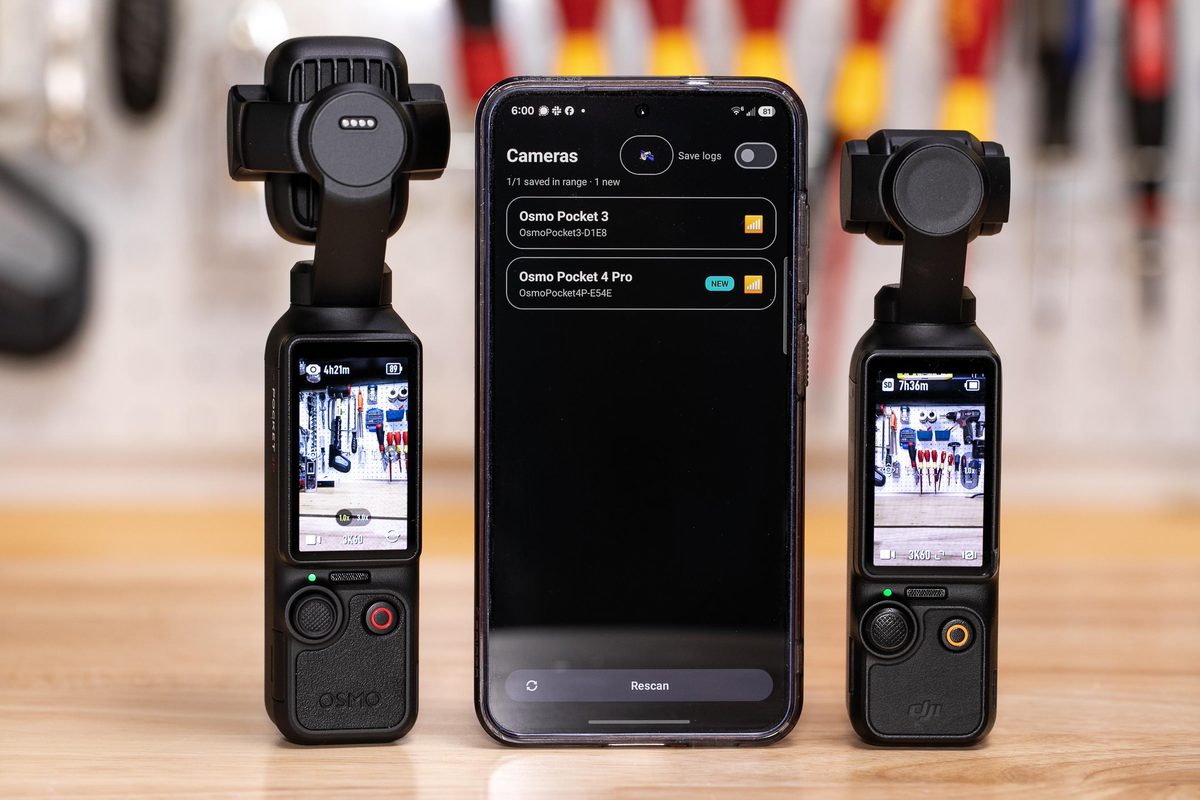
- Functionality: Allows users to download footage from DJI Osmo cameras without needing the official Mimo app.
- Features: Includes viewing thumbnails, streaming low-resolution previews, trimming video clips, marking favorites, filtering media by type (photos, videos, favorites), and queuing specific downloads.
- Compatibility: Tested and confirmed to work with Osmo Pocket 3, Osmo Pocket 4P, Osmo Nano, Osmo Action 5 Pro, Osmo Action 6, and likely Xtra versions of these cameras.
- Development Status: Currently in early development, with some rough edges in user interface and specific feature implementations (e.g., gimbal stowage, favoriting synchronization).
Background
DJI has established a strong reputation for its high-quality drones and cameras, including the versatile Osmo series. However, the company's approach to software has consistently favored a closed ecosystem. The Mimo app, while providing essential functions for managing and transferring footage, has been criticized for its data privacy implications and its often-bloated interface. For users who prioritize data security, customization, or simply a more streamlined experience, the Mimo app has presented a significant hurdle. The development of Osmosis represents a community-driven effort to address these shortcomings, leveraging reverse engineering to create a more open and user-centric alternative.
Impact Analysis
The emergence of Osmosis has the potential to significantly alter the user experience for DJI Osmo owners. By providing a free, open-source alternative, it empowers users with greater control over their footage and their data. The ability to preview, trim, and select clips directly within Osmosis can streamline the post-production workflow, especially for users who frequently capture short-form content or need to quickly review footage on the go. This reduces reliance on the official app and the associated data transfer to DJI's servers, addressing privacy concerns. While the app is not yet fully polished, its core functionality is already proving valuable for users like Konrad Iturbe, who can now more efficiently manage their captured shots without the hassle of launching the Mimo app. This could lead to more efficient content creation and a reduced likelihood of unnecessary footage transfer.
Broader Context
Osmosis is not an isolated case but part of a growing trend of open-source development challenging proprietary software in various tech sectors. In the realm of camera hardware, users are increasingly seeking transparency and control. This movement is exemplified by other emerging projects like OpenPocketCine, another ambitious application for the Osmo Pocket lineup. OpenPocketCine aims to provide advanced features such as custom LUTs, focus peaking, and zebras – tools that are particularly useful for fine-tuning exposure and focus on small, integrated screens. The development of these open-source tools signifies a broader shift where users are actively contributing to and demanding more open ecosystems, pushing manufacturers to consider greater transparency and interoperability in their product offerings. This trend benefits consumers by fostering innovation and providing more choices beyond the default manufacturer solutions.
Future Outlook
The future of Osmosis hinges on continued development and community engagement. As the app matures, it is expected to gain more polish, address current limitations like gimbal stowage synchronization and favoriting consistency, and potentially expand its compatibility to a wider range of DJI devices. The success of Osmosis could encourage further reverse engineering efforts and the development of even more sophisticated open-source tools for DJI cameras. Furthermore, it might prompt DJI itself to reconsider its approach to software development, potentially leading to more open APIs or improved official applications in the future, driven by the competitive pressure from these community-led initiatives. The ongoing development of complementary apps like OpenPocketCine suggests a vibrant ecosystem is forming around DJI's hardware, offering users powerful alternatives to the standard software experience.
Conclusion
Osmosis represents a significant step forward for DJI Osmo users seeking greater control and flexibility over their footage management. By successfully reverse-engineering DJI's proprietary protocol, Konrad Iturbe and collaborators have created a valuable open-source tool that bypasses the limitations of the official Mimo app. While still in its early stages, Osmosis offers essential features for downloading, previewing, and managing media, addressing key pain points for content creators. As this and similar open-source projects continue to evolve, they not only enhance the user experience for DJI hardware but also contribute to a broader movement advocating for more transparency and user empowerment in the technology landscape.
Source: theverge.com