Innovative iPhone Cases Introduce USB-C Support, Extending Device Lifespan
Introduction
In the rapidly evolving world of technology, the lifespan of devices can often feel limited, particularly for products that become quickly outdated. However, engineer Ken Pillonel is challenging this narrative with a groundbreaking project that breathes new life into older iPhone models. By developing smartphone cases that add USB-C ports, Pillonel not only enhances the functionality of these devices but also addresses the growing demand for standardization in charging ports across technology. This innovation comes at a time when USB-C has become the industry norm, paving the way for a more integrated and user-friendly tech ecosystem.
Key Details
- Ken Pillonel previously created the first USB-C iPhone in 2021.
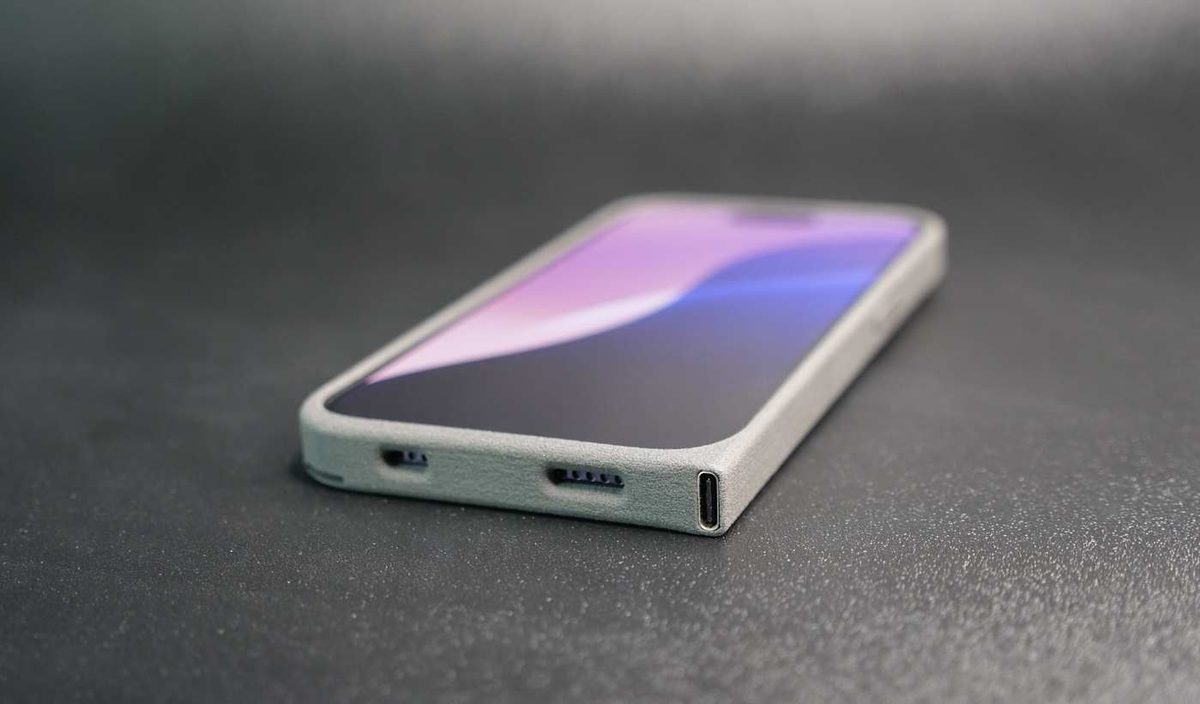
- His latest project includes cases for all 20 iPhone models from the Lightning era that can run the latest iOS.
- These cases enable standard USB-C ports, facilitating faster charging and data transfer.
- Pillonel's shop offers various options for consumers looking to upgrade their older devices.
- The design process was documented in a detailed video, showcasing the engineering ingenuity behind the product.
Background
Apple’s proprietary Lightning port has been a staple in iPhone designs since its introduction in 2012. While it served its purpose for years, the reliance on this unique port has often led to frustration among users, necessitating a myriad of adapters and dongles to interface with other devices. The transition to USB-C has been gradual but significant, with many manufacturers adopting this versatile connection type. Pillonel’s previous work in creating a USB-C iPhone set a precedent, demonstrating that innovation can break the barriers set by proprietary technology.
"The goal is to give some extra life to those older devices by making them feel less obsolete,"
he stated in his recent video announcement. This mission is particularly relevant as consumers increasingly seek ways to extend the life of their technology, rather than feeling pressured to purchase new devices as soon as they are released.
Impact Analysis
Pillonel's USB-C cases present numerous benefits for consumers with older iPhones. By providing a USB-C connection, these cases enhance the user experience in several ways:
- Standardization: The ability to use a universal charging port means fewer cables and adapters are needed, simplifying the charging process.
- Improved Functionality: Users can enjoy faster charging and data transfer capabilities, aligning their devices with modern technology standards.
- Sustainability: Extending the lifespan of older devices reduces electronic waste and promotes a more sustainable approach to tech consumption.
The cases are designed to support all functionalities of the iPhone, including compatibility with CarPlay, ensuring that users do not have to compromise on features. Furthermore, with Pillonel's commitment to offering a variety of colors for the cases, personalization options are available, appealing to a broader audience.
Broader Context
The launch of these innovative cases comes at a time when environmental concerns surrounding electronic waste are more pressing than ever. As the technology industry continues to push for newer, faster devices, the resultant waste can be staggering. Pillonel’s initiative represents a shift in consumer mindset, where the focus is on enhancing existing technology rather than perpetually upgrading to the latest model. This movement aligns with global efforts to promote sustainability and responsible consumption.
Moreover, as governments and regulatory bodies push for standardization in charging ports to reduce waste and enhance consumer convenience, Pillonel's products may serve as a bridge between the old and new, facilitating a smoother transition for consumers.
Future Outlook
Looking ahead, Pillonel’s work could inspire a new wave of innovation in the tech industry, encouraging other engineers and designers to explore ways to modify and enhance existing devices. The success of these USB-C cases may lead to similar adaptations for other products, fostering an environment where older technology is given a new lease on life. Moreover, if consumer demand continues to grow for such solutions, it may prompt manufacturers to reconsider their approach to future designs, incorporating more universal connectivity options from the outset.
Conclusion
Ken Pillonel’s iPhone cases exemplify how innovation can extend the life of older devices while meeting the demands of modern consumers. By introducing USB-C ports to older iPhone models, Pillonel not only enhances their functionality but also contributes to a larger conversation about sustainability in technology. As consumers become more environmentally conscious, solutions that prioritize longevity and usability will likely gain traction, making Pillonel’s project a significant step forward in the tech landscape.