Alpine Landscapes Under Threat: Four Millennia of Farming and Grazing Devastate Mountain Soils
Introduction
The Alps, one of Europe's most iconic mountain ranges, have been shaped not only by natural forces but also by human activities for millennia. Recent studies highlight that centuries of farming and livestock grazing have dramatically accelerated soil erosion processes, threatening the environmental stability of this vital region. This article explores the extent of soil loss in the Alps, its causes, and the broader implications for the environment and local communities.
Key Details
- Over the past 4,000 years, grazing and agriculture have removed almost all original topsoil in many parts of the Alps.
- This soil loss has drastically reduced the land’s ability to support native vegetation and wildlife, disrupting ecosystems.
- Increased erosion raises the risk of landslides and sediment runoff, impacting water quality downstream.
- Soil degradation in mountainous regions is particularly concerning because soil formation is slow and difficult to reverse.
- Modern land management practices are now being reevaluated in light of this long-term damage.
Background
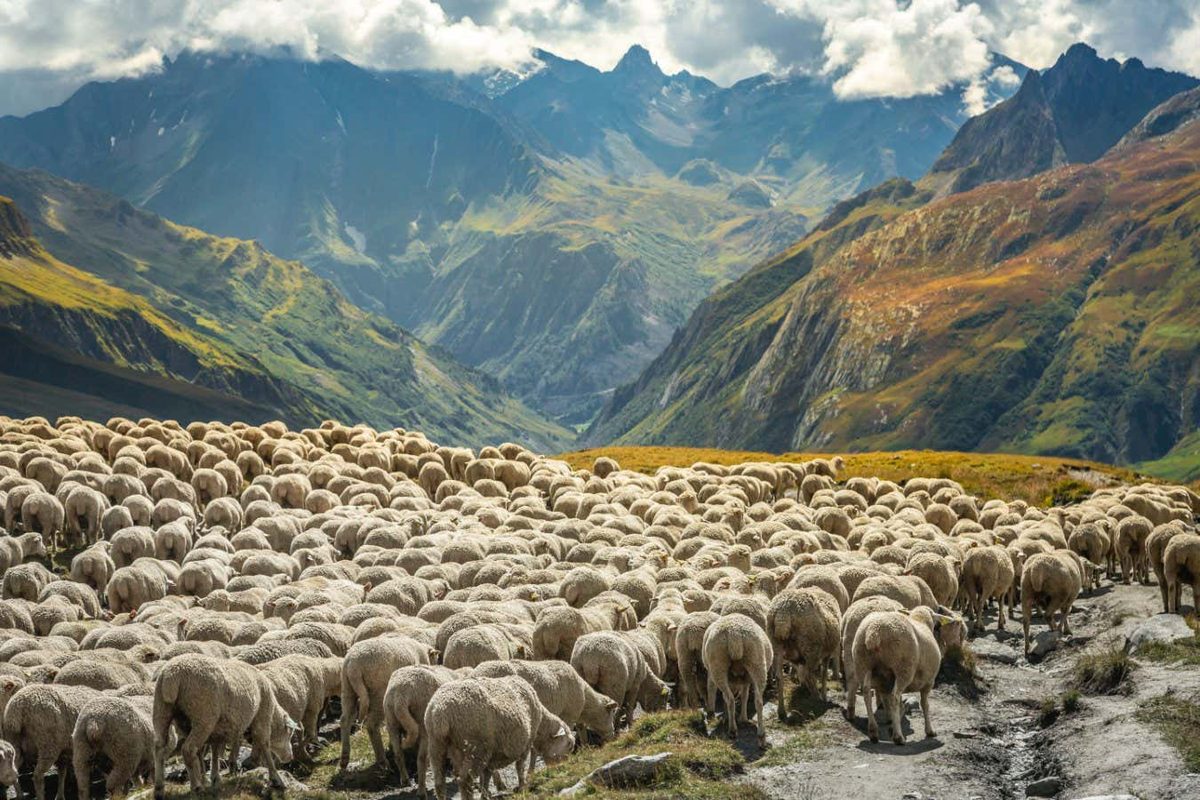
Human settlement in the Alpine region dates back thousands of years, with evidence of mountain pastoralism and farming as integral parts of local economies since the Neolithic period. Grazing livestock such as sheep, goats, and cattle has shaped the landscape by clearing forests and compacting soil. Agricultural activities, including crop cultivation on steep slopes, have further stripped away vegetation cover, leaving soil vulnerable to erosion by wind and water.
Natural soil formation in alpine environments is inherently slow due to cold temperatures, limited organic material, and steep terrain. Consequently, once the thin soil layer is lost, it can take centuries or even millennia to regenerate. The accelerated erosion caused by human land use thus poses a critical threat to the Alps' environmental health and biodiversity.
Analysis
The erosion of alpine soils is not just an environmental issue; it has significant socio-economic consequences. Soil degradation reduces agricultural productivity, undermining the livelihoods of mountain farming communities. Furthermore, the loss of soil stability increases the likelihood of landslides, which can damage infrastructure, disrupt transportation, and endanger human life.
Ecologically, soil erosion disrupts nutrient cycles and diminishes habitat quality. Many alpine species depend on stable soil conditions and native plants for survival, meaning that soil loss can lead to declines in biodiversity. The situation is compounded by climate change, which can intensify erosion through more frequent heavy rainfalls and thawing permafrost.
Efforts to mitigate these effects include reforestation, controlled grazing, and sustainable farming practices aimed at preserving soil integrity. Additionally, modern conservation policies emphasize the need to balance human use of mountain environments with ecological preservation.
Conclusion
The extensive soil erosion in the Alps, driven by thousands of years of grazing and farming, presents a pressing environmental challenge. Addressing this issue requires a comprehensive approach that combines scientific research, sustainable land management, and community engagement. Protecting the Alps’ soils is essential not only for maintaining biodiversity and ecosystem services but also for safeguarding the cultural heritage and economic well-being of mountain populations. Recognizing and mitigating human impacts on these fragile landscapes is critical for their resilience in an era of environmental change.