Discovery of Shri rapax: A New Insight into Dinosaur Diversity
Discovery of Shri rapax: A New Insight into Dinosaur Diversity
Introduction
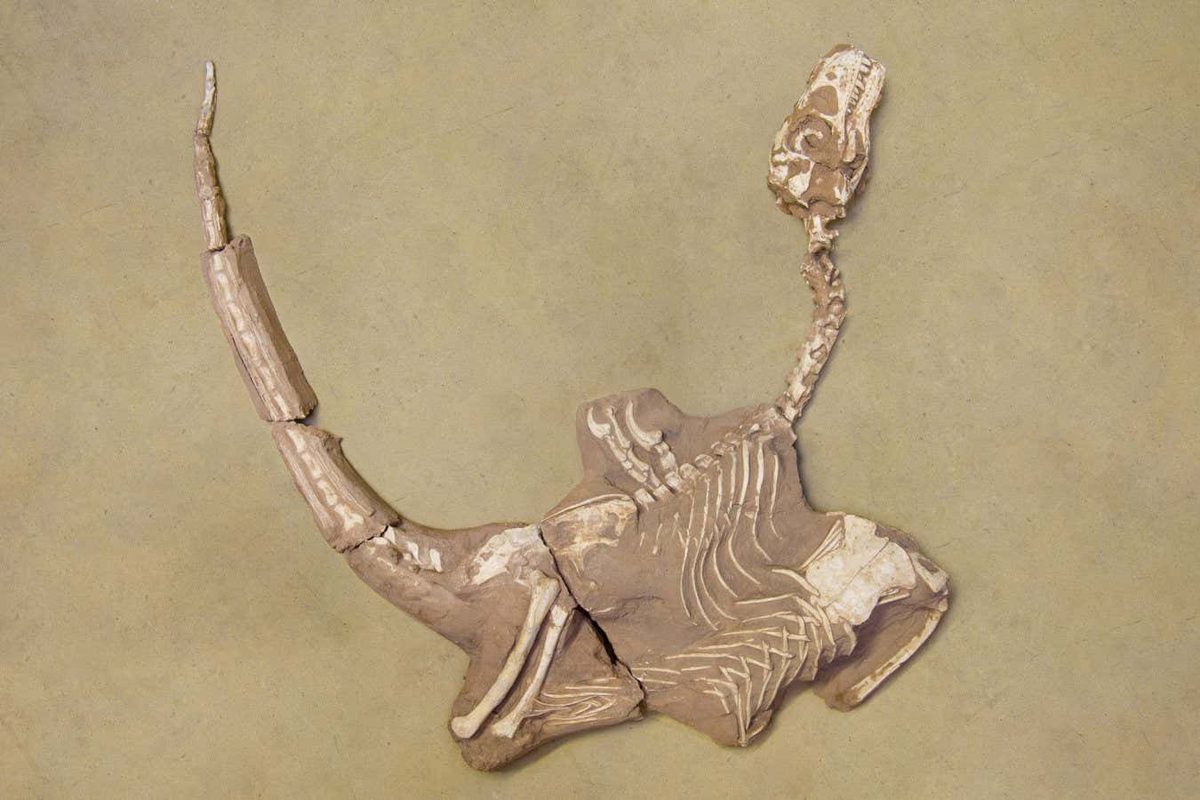
The paleontological community has recently celebrated the unveiling of a new dinosaur species, Shri rapax, a small yet formidable theropod related to the well-known Velociraptor. Discovered from a fossil site in Mongolia, this species presents unique adaptations that not only highlight its evolutionary significance but also enrich our understanding of the ecological niches occupied by theropods during the Mesozoic era. The name 'Shri rapax' translates to 'aggressive lord,' a fitting moniker for a creature that displayed both physical prowess and specialized hunting abilities.
Key Details
- Discovery Location: The fossil of Shri rapax was discovered in Mongolia, a region renowned for its rich deposits of dinosaur fossils, particularly from the Late Cretaceous period.
- Physical Characteristics: Shri rapax was characterized by its stocky build, strong hands, and robust teeth, adaptations that suggest it was an adept predator capable of tackling prey larger than itself.
- Relation to Velociraptor: As a close relative of Velociraptor, Shri rapax provides insights into the diversity and evolutionary pathways taken by small theropod dinosaurs.
- Ecological Role: The adaptations of Shri rapax indicate that it likely occupied a unique ecological niche, potentially preying on larger dinosaurs and competing with other carnivorous species of the time.
Background
The discovery of Shri rapax is part of ongoing paleontological research in Mongolia, which has yielded some of the most significant dinosaur fossils in history. The region's geological formations, particularly the Late Cretaceous strata, have provided a treasure trove of dinosaur remains that help reconstruct the prehistoric ecosystems. Understanding these ecosystems is crucial for deciphering how different species interacted and evolved over time.
Shri rapax's stocky build and formidable dental features suggest that it may have evolved in response to the competitive pressures of its environment. The presence of larger theropods in the same habitat may have driven smaller species to develop unique survival strategies, such as enhanced hunting abilities. This evolutionary adaptability is a hallmark of many small theropods, as they often had to navigate a landscape dominated by more massive predators.
Analysis
The identification of Shri rapax adds a significant piece to the puzzle of dinosaur diversity, particularly among small theropods. For many years, the focus of paleontological research has predominantly been on larger, more charismatic dinosaurs, often overshadowing the ecological importance of smaller species. However, with discoveries like Shri rapax, it is becoming increasingly clear that these smaller dinosaurs played essential roles in their ecosystems.
Shri rapax's strong hands and teeth suggest a specialized predatory strategy that may have allowed it to exploit a different ecological niche compared to its larger relatives. This adaptation could indicate that smaller dinosaurs were not merely subordinate to larger ones but were instead active participants in their environments, utilizing different hunting techniques and strategies to survive. Such findings challenge the traditional narrative of dinosaur hierarchies, suggesting that size was not the sole determinant of success in prehistoric ecosystems.
Conclusion
In summary, the discovery of Shri rapax represents a significant advancement in our understanding of dinosaur evolution and diversity. With its unique adaptations and ecological significance, Shri rapax exemplifies the complexity of prehistoric life and the myriad strategies that species employed to survive and thrive. As paleontologists continue to uncover new fossils and analyze existing collections, the story of these small yet mighty dinosaurs will undoubtedly become clearer, reshaping our understanding of life during the Mesozoic era.