Breakthrough in Genetic Medicine: UK Births Using Three-Person DNA Technique Prevent Hereditary Diseases
Introduction
In a landmark development in genetic medicine, eight children have been born in the United Kingdom using an advanced reproductive technique involving DNA from three individuals. This pioneering approach, designed to prevent the transmission of serious hereditary diseases, is showing promising early results as none of the children have exhibited signs of the genetic conditions their mothers carry. The technique, often referred to as mitochondrial replacement therapy, aims to eliminate mitochondrial diseases, which can cause devastating health problems.
Key Details
- Eight babies born in the UK through mitochondrial replacement therapy.
- The procedure uses DNA from three people: the mother, father, and a healthy mitochondrial donor.
- The goal is to prevent mitochondrial diseases passed through maternal DNA.
- None of the children have developed the hereditary conditions so far.
- The technique is regulated and allowed under specific legal frameworks in the UK.
Background
Mitochondrial diseases are a group of disorders caused by defects in mitochondrial DNA, which is inherited exclusively from the mother. These diseases can lead to severe conditions, including muscle weakness, neurological problems, and even organ failure. Traditional reproductive methods offered no means to prevent the transmission of these conditions, leaving affected families with limited options.
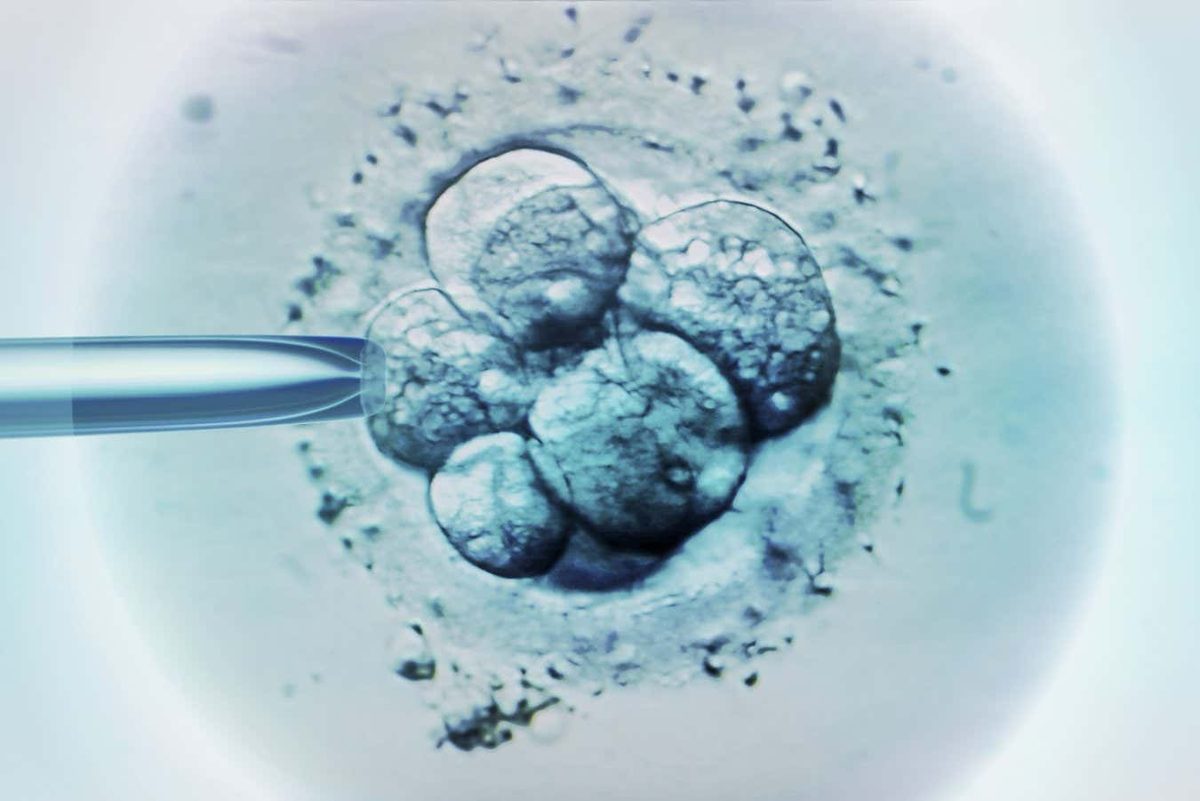
The three-person DNA technique involves transferring the nuclear DNA from the mother’s egg into a donor egg that has healthy mitochondria but has had its own nuclear DNA removed. This creates an embryo with nuclear DNA from the intended parents and mitochondrial DNA from the donor, effectively preventing the inheritance of faulty mitochondria.
The UK became the first country to approve this technique legally back in 2015, after extensive ethical debates and scientific evaluations. Since then, clinics have been able to offer the procedure to families at risk of passing on mitochondrial diseases.
Analysis
The successful births of these eight children represent a significant victory for genetic research and reproductive medicine. They demonstrate the real-world efficacy of mitochondrial replacement therapy in preventing debilitating inherited diseases. This approach offers hope to many families worldwide who face the heartbreak of mitochondrial disorders. However, while initial outcomes appear positive, the long-term health of these children will require ongoing monitoring to fully understand any unforeseen consequences.
Ethically, the technique has sparked debates around genetic modification, the implications of germline alterations, and the concept of 'three-parent babies.' Critics have voiced concerns about the safety, consent for future generations, and potential misuse of this technology. Supporters argue that the benefits, particularly the prevention of life-threatening diseases, outweigh these challenges.
Globally, the UK’s pioneering work has influenced other countries to consider similar regulatory frameworks, although many nations remain cautious due to ethical and scientific uncertainties. The technique is still not universally available, and access is often limited by cost, regulation, and availability of specialized clinics.
Conclusion
The birth of eight healthy children via the three-person DNA method in the UK is a milestone demonstrating the potential of cutting-edge genetic therapies to prevent inherited diseases. While further research and long-term data are necessary, this advancement offers a new horizon for families affected by mitochondrial disorders and marks a crucial step forward in the field of reproductive genetics. As the technology evolves, ongoing ethical discussions and regulatory oversight will remain critical to ensure it is used safely and responsibly.