Walking Angle Adjustment Eases Knee Arthritis Pain, Slows Cartilage Damage
Introduction
Imagine finding relief from the persistent ache of knee arthritis not through pills or surgical intervention, but by making a subtle alteration to your daily walk. This seemingly simple adjustment, altering the angle of your feet while walking, could offer a powerful new strategy for managing knee osteoarthritis. Recent clinical trials suggest this personalized gait retraining approach can alleviate pain as effectively as common medications and, more remarkably, may help protect knee cartilage from further damage.
Key Details
- Personalized Gait Retraining: A randomized controlled trial demonstrated that adjusting foot angle during walking reduced knee osteoarthritis pain by an amount comparable to medication.
- Pain Relief: Participants in the intervention group reported an average pain reduction of 2.5 points on a zero-to-10 scale, compared to 1.3 points in the placebo group. Approximately 91% experienced clinically meaningful pain reduction.
- Cartilage Health: MRI scans indicated slower deterioration of a key marker of knee cartilage health (T1rho) in the group that modified their walking pattern.
- Mechanism: The technique aims to redistribute pressure on the knee joint, particularly the medial compartment, which is commonly affected by osteoarthritis.
- Personalization is Crucial: The effectiveness hinges on identifying the specific foot angle adjustment that reduces knee load for each individual, as a one-size-fits-all approach may not work or could even be detrimental.
- Study Details: The primary study involved 68 participants with mild to moderate medial compartment knee osteoarthritis, funded by the U.S. Department of Veterans Affairs and published in The Lancet Rheumatology (August 2025).
Background
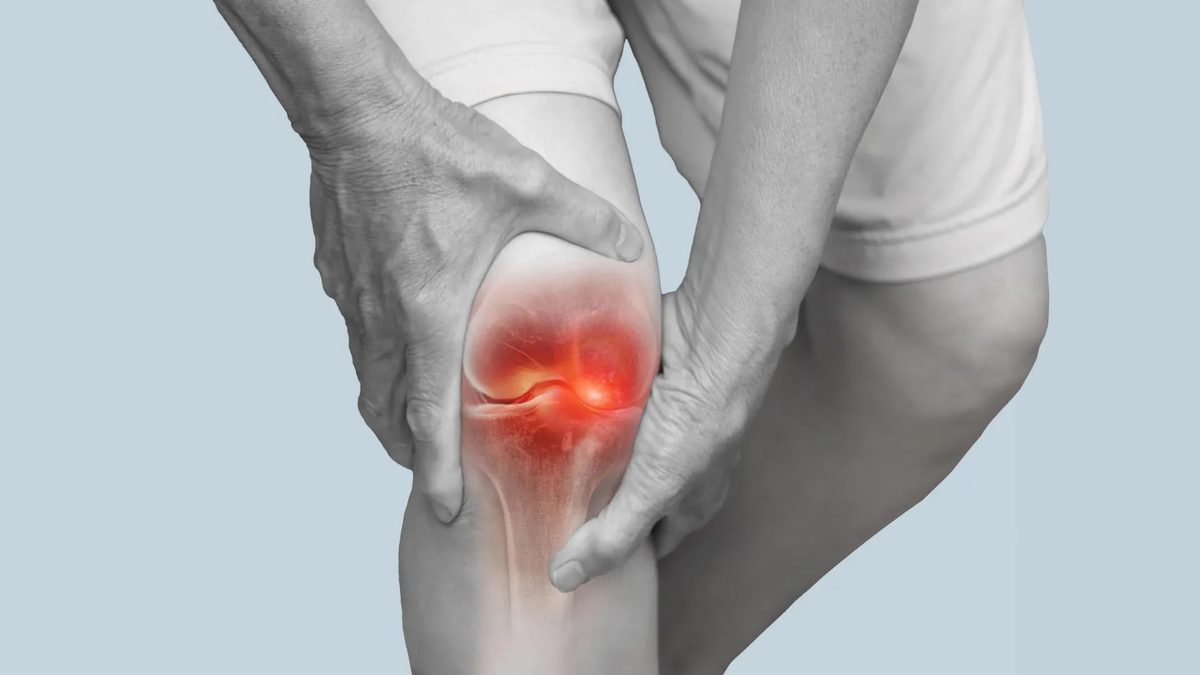
Osteoarthritis (OA) is a prevalent degenerative joint disease affecting approximately 22% of adults over 40, leading to significant disability. It is characterized by the gradual breakdown of cartilage, the cushioning tissue in joints. This deterioration increases friction and causes pain during everyday activities like walking and climbing stairs. While treatments like exercise, physical therapy, weight management, and medication can manage symptoms, none reliably restore lost cartilage or halt disease progression. For advanced cases, joint replacement surgery remains the ultimate solution.
Recognizing the limitations of current treatments, researchers from the University of Utah, New York University, and Stanford University explored a novel approach: gait retraining. This strategy focuses on modifying the biomechanics of walking to reduce the excessive pressure that exacerbates OA, particularly in the medial (inner) compartment of the knee, which is the most common site for knee OA.
Impact Analysis
The findings from the University of Utah-led trial are significant because they offer a non-pharmacological and non-surgical method to combat knee OA. The pain relief achieved was substantial, rivaling that of over-the-counter pain relievers and even approaching the efficacy of some prescription painkillers. Crucially, the intervention addressed the underlying mechanical issue of joint loading, something pain medication alone cannot do. The MRI evidence suggesting slower cartilage degradation is particularly exciting, hinting at a potential disease-modifying effect rather than just symptom management.
“The reported decrease in pain over the placebo group was somewhere between what you'd expect from an over-the-counter medication, like ibuprofen, and a narcotic, like OxyContin. With the MRIs, we also saw slower degradation of a marker of cartilage health in the intervention group, which was quite exciting.”
This personalized approach, where each participant’s optimal foot angle was identified through laboratory analysis, is a key differentiator from previous attempts at gait retraining. By ensuring the chosen adjustment effectively reduced knee load for the individual, the researchers achieved more consistent and positive outcomes. The biofeedback training over six weeks, followed by daily practice, proved effective in habituating participants to their new walking pattern, with remarkable consistency maintained over the year-long study.
Broader Context
The challenge of managing chronic conditions like knee OA extends beyond clinical trials. The success of gait retraining hinges on its accessibility. The initial research relied on sophisticated, costly equipment and extensive laboratory visits. However, emerging technologies, including smartphone cameras and smart shoes equipped with sensors, alongside AI-driven analysis of motion data, hold promise for making personalized gait retraining more feasible in clinical settings. A study in Machine Learning with Applications (September 2026) demonstrated the potential of AI to estimate knee loading from simple acceleration measurements, paving the way for less resource-intensive interventions.
Furthermore, research from the University of Bath (Clinical Biomechanics, April 2026) suggests that improvements in knee loading can be achieved through various walking mechanics adjustments, not solely foot angle changes, and that biofeedback training can lead to lasting reductions in knee loading. This broadens the scope of potential gait retraining strategies.
Future Outlook
While the results are highly promising, personalized gait retraining is not yet a widely available clinical treatment. Larger, longer-term studies are needed to confirm the sustained benefits and to assess its ability to prevent or delay the need for knee replacement surgery. Researchers must also validate simpler, more cost-effective methods for delivering personalized gait retraining outside specialized labs. The current findings, however, open a new frontier in OA management, offering hope for a future where simple, habitual changes can significantly impact joint health and quality of life, particularly for younger individuals facing decades of potential pain management.
Conclusion
The development of personalized gait retraining represents a significant advancement in the conservative management of knee osteoarthritis. By focusing on modifying walking mechanics to reduce joint load, this approach offers a compelling alternative or adjunct to traditional treatments. The evidence suggests it can effectively reduce pain and potentially slow the progression of cartilage damage, all without medication or surgery. While further research and technological development are necessary to ensure widespread accessibility, the prospect of improving knee health through a simple, natural movement like walking is a genuinely exciting development for millions suffering from this debilitating condition.
Source: sciencedaily.com