Berkeley's Checkout Ban Slashes Sugary Drink Sales by Significant Margin, Study Reveals
Introduction
In a significant move towards healthier public eating habits, a new study published in The Lancet Public Health has revealed that banning the display of junk food and sugary drinks at store checkout lanes can lead to a notable reduction in the sales of these items. Berkeley, California, pioneered this initiative in March 2021, becoming the first city globally to implement such a policy. The study, which analyzed sales data from numerous stores, provides compelling evidence that strategic placement of unhealthy options at points of purchase significantly influences consumer behavior.
Key Details
- Policy Implementation: Berkeley enacted a ban on displaying sugary drinks and snacks in checkout lanes in March 2021, with enforcement beginning in 2022.
- Study Scope: Researchers examined sales data from 71 supermarkets, drug stores, and big-box stores across Berkeley, Davis, Oakland, and Sacramento.
- Soda Sales Decline: Soda sales decreased substantially following the ban's implementation and enforcement.
- Candy Sales Fluctuation: Candy sales saw a moderate increase after the policy's initial implementation but did not rise further once enforcement began.
- Healthier Options Rise: Sales of healthier, lower-sugar snack alternatives, such as nut packs, also increased.
- Store Compliance Matters: Supermarkets, which demonstrated higher compliance with the ban, experienced the most significant drops in both candy and soda sales. Drug stores, with lower compliance, showed no decline.
Background
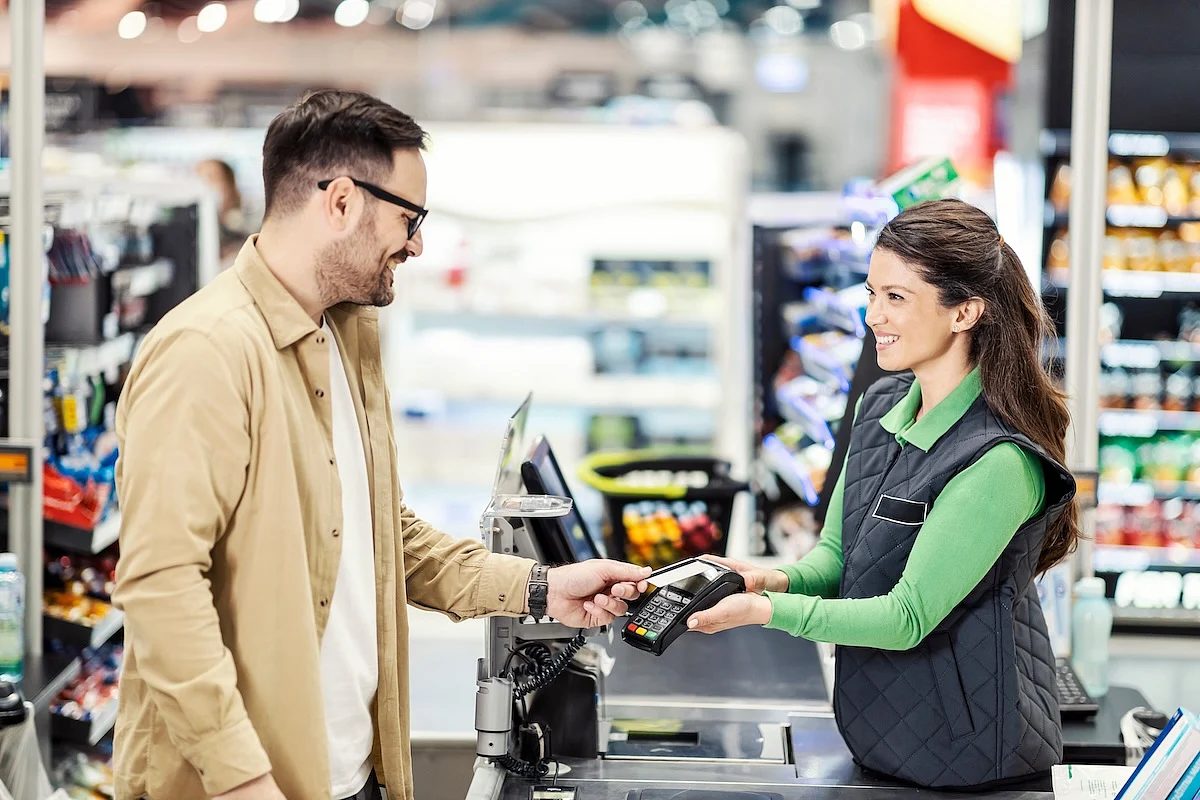
Checkout lanes have long been recognized as prime real estate for impulse purchases. Retailers strategically use bright lighting, eye-catching packaging, and prominent placement at eye level to entice shoppers with high-sugar snacks and beverages. This practice capitalizes on the natural tendency for consumers to make quick decisions while waiting to pay. Recognizing this, Berkeley took a proactive stance by implementing a policy to remove these tempting items from checkout areas, aiming to disrupt impulsive buying patterns and promote healthier choices.
“Through bright lighting, colorful packaging and eye-level placement, checkout lanes are intentionally designed to draw shoppers’ attention to snacks and beverages with high added sugar,” stated co-lead researcher Justin White, an associate professor at Boston University. “Our findings suggest that healthy checkout policies can help reduce impulsive purchases and even encourage healthier snack choices, but it is critical for cities to actively enforce these policies if they aim to see meaningful and sustained decreases in sugary product sales.”
Impact Analysis
The study’s findings indicate a clear correlation between the checkout ban and reduced sales of sugary products, particularly soda. The substantial decrease observed in soda sales suggests that removing these items from immediate view and easy reach significantly impacts purchasing decisions. While candy sales showed a more complex pattern, the lack of increase after enforcement suggests the policy may have at least stabilized demand for these impulse buys. The concurrent rise in sales of healthier snacks is a particularly encouraging outcome, demonstrating that consumers are willing to opt for better alternatives when they are more accessible and less overshadowed by unhealthy temptations.
Broader Context
This research aligns with a growing global movement to address the public health crisis fueled by excessive sugar consumption. Policies such as taxes on sweetened beverages and mandatory front-of-package labeling are being explored and implemented worldwide. The Berkeley study adds a crucial piece of evidence to the effectiveness of environmental changes within retail spaces. Senior researcher Jennifer Falbe, an associate professor at the University of California-Davis, emphasized that no single policy is a panacea. She suggested that combining healthy checkout policies with other strategies, like improved food labeling and financial incentives for healthy foods, could yield even greater improvements in diet quality.
Future Outlook
The success of Berkeley's policy could pave the way for similar initiatives in other municipalities. The study highlights the importance of active enforcement for sustained impact. Furthermore, the potential for front-of-package labeling, as considered by the U.S. Food and Drug Administration (FDA), could complement such placement policies. As Falbe noted, clear labels indicating high sugar or sodium content could empower both consumers and retailers, making it easier to identify and restrict unhealthy products from prime locations like checkout aisles. This integrated approach, combining regulatory measures with consumer education and retail environment modifications, holds promise for fostering healthier food environments.
Conclusion
The study from Berkeley offers a powerful demonstration that policy interventions targeting the retail environment can effectively influence consumer purchasing habits. By removing the temptation of sugary treats and drinks from checkout lanes, cities can encourage healthier choices and reduce the consumption of unhealthy products. The significant drop in soda sales, coupled with an increase in healthier snack purchases, underscores the potential of such policies. Continued research, robust enforcement, and the integration of complementary strategies will be key to building healthier food systems for the future.
Source: drugs.com