The Thrill of Terror: Why Millions Embrace Fear for Fun and Resilience
Introduction
As the leaves turn and the air grows crisp, the season of frights descends upon us. October is synonymous with all things spooky, and Americans are diving headfirst into the festivities, with projected spending exceeding $13 billion on horror films, costumes, candy, and attractions. A significant portion of this, estimated between $300 to $500 million, is spent on immersive haunted attractions, where millions willingly pay to be terrified. This widespread participation begs the question: why do humans seek out fear, and what makes being scared so enjoyable, even useful?
Key Details
- Americans are expected to spend over $13 billion on Halloween-related activities and products.
- Haunted attractions alone are projected to generate $300-$500 million in revenue.
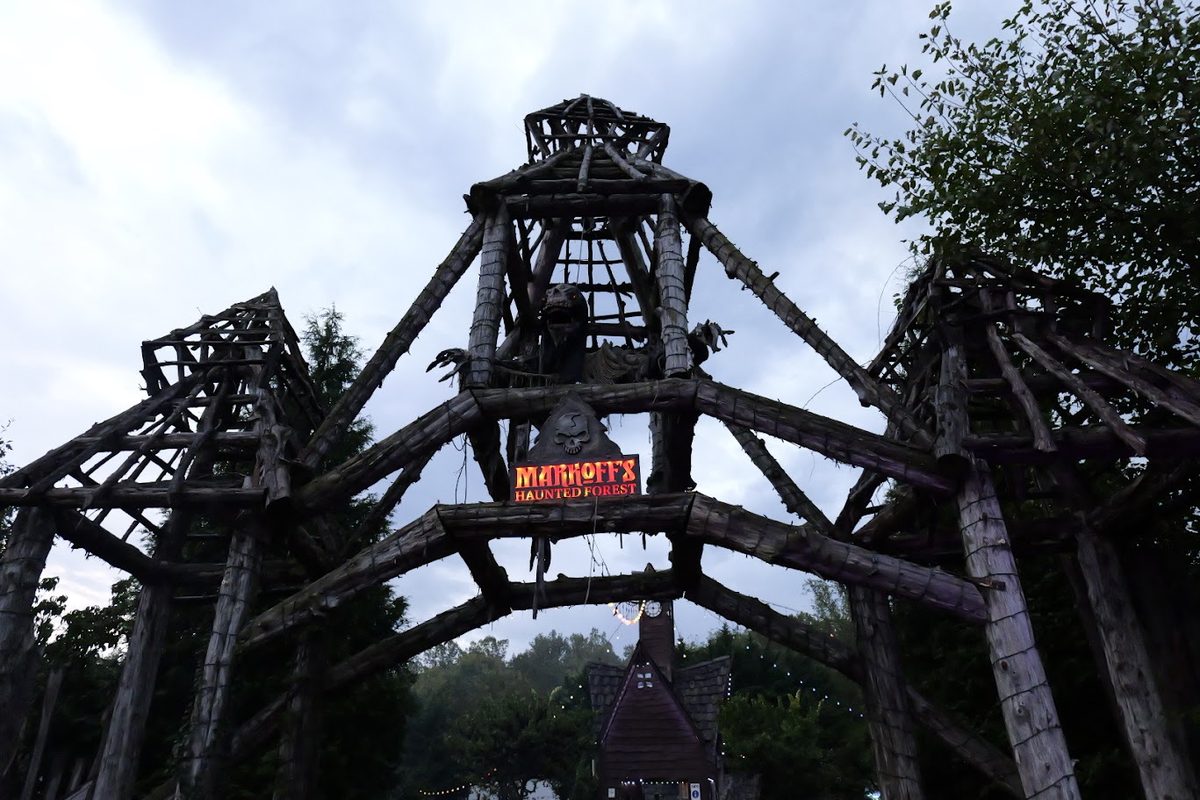
- Markoff's Haunted Forest, a prominent attraction in Maryland, has been operating since 1992, featuring over a mile of themed trails and numerous haunted houses.
- The creation of these attractions involves hundreds of staff, including engineers, makeup artists, and actors.
- Scare actors like Robert Doyle and Jermaine Hoes describe their roles as entertaining, providing a dopamine rush, and challenging themselves.
- Neurological studies, such as those by Nouchine Hadjikhani at Harvard Medical School, show that fear triggers rapid amygdala activation, leading to physiological responses like increased heart rate and pupil dilation.
- Researchers at the Recreational Fear Lab at Aarhus University in Denmark, including Matthias Clausen and Marc Andersen, study the psychology of recreational fear.
- They propose that seeking fear acts as a 'fear vaccine' or 'fear inoculation,' preparing individuals for real-world stressors.
- Anecdotal evidence suggests some individuals use horror media to manage anxiety.
- Engaging in shared scary experiences, like visiting a haunted attraction, can foster social bonding.
Background
To understand the allure of fear, we visit Markoff's Haunted Forest, one of the largest haunted attractions in the United States. With its mile-long trails and elaborately themed houses, it's a meticulously crafted experience designed to elicit genuine fright. Director of Operations Paul Brubacher explains the inspiration draws from music festivals and gothic horror aesthetics, like a “Van Helsing vampire village.” The operation is complex, requiring constant communication via emergency radios and a rapid-fire makeup process for hundreds of actors. Art Director Chris Knowles highlights the efficiency needed, with his team applying intricate makeup in mere minutes to prepare actors for their roles. Actors like Robert Doyle and Jermaine Hoes embrace their characters, viewing their work as a form of entertainment and a way to provide a thrilling experience for visitors. Doyle notes that people seek to “challenge themselves and they can say they accomplished something,” while Hoes simply enjoys making people “run and scream and holler.”
Impact Analysis
The physiological response to fear is remarkably swift. Nouchine Hadjikhani, an associate professor at Harvard Medical School, explains that even brief exposure to frightening stimuli, like images of snakes or spiders, can activate the amygdala, the brain's fear center. This triggers immediate physical reactions: a racing heart, widened pupils, and a primal urge to recoil. This rapid activation is the science behind the effectiveness of a jump scare. Hadjikhani's research also indicates that observing fear in others can elicit a similar response, highlighting the contagious nature of fright. However, the transition from a fearful reaction to deriving pleasure from it is where the complexity lies, necessitating a deeper psychological exploration.
Broader Context
The Recreational Fear Lab at Aarhus University in Denmark delves into this very question. Co-directors Matthias Clausen and Marc Andersen have found that the personality profiles of those who enjoy fear are diverse and not easily categorized; a rollercoaster fan might despise horror films, and vice versa. Despite this, their research indicates that the enjoyment of fear, or "fear-for-fun," is surprisingly universal. Clausen likens the experience to administering a “fear vaccine” or “fear inoculation.” By voluntarily confronting frightening situations in a controlled environment, individuals are, in essence, preparing their bodies and minds for potential real-world dangers. This process is generally pleasurable, as Clausen notes, “It doesn't hurt.”
Future Outlook
Beyond mere entertainment and psychological preparation, the act of experiencing fear recreationally may offer therapeutic benefits. Andersen has gathered anecdotal accounts from horror enthusiasts who claim to use scary movies as a coping mechanism for clinical anxiety. While initially surprising, this suggests that controlled exposure to fear can desensitize individuals to stressors and provide a sense of mastery. Furthermore, shared scary experiences are inherently social. Clausen points out that after navigating a haunted attraction, groups often report a heightened sense of camaraderie and bonding. This social aspect is a common thread in many recreational activities, but the intense, shared vulnerability of a frightening encounter can forge particularly strong connections. As Jermaine Hoes from Markoff's observes, the community aspect is strong, with actors and visitors alike creating a positive atmosphere. The upcoming discussion will explore the significant economic impact of these fear-driven industries.
Conclusion
The enduring popularity of haunted attractions and horror entertainment underscores a fundamental aspect of human psychology: our complex relationship with fear. Far from being solely a negative emotion to be avoided, fear, when experienced in a safe and controlled setting, can be a source of thrill, a tool for psychological resilience, and a catalyst for social connection. The billions spent annually on these experiences are a testament to their perceived value, offering a unique blend of adrenaline, catharsis, and shared adventure. As research continues to unravel the nuances of recreational fear, it becomes clear that embracing our frights can be not only fun but also profoundly beneficial.
Source: npr.org