US-China State Dinner: Warm Words, Lingering Trade and Tech Tensions
Introduction
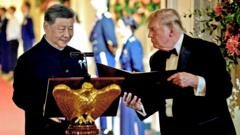
The White House hosted a high-profile state dinner, bringing together US President Donald Trump and Chinese President Xi Jinping for an evening of diplomatic pleasantries and symbolic gestures. While both leaders exchanged warm words, celebrating a supposed new chapter in US-China relations and toasting to future harmony, the event was largely seen by analysts as a ceremonial affair, lacking concrete breakthroughs on the pressing economic and technological challenges confronting the two global powers.
Key Details
- Lavish State Dinner: The event featured a meticulously planned menu showcasing American ingredients with Chinese influences, including a sesame-crusted sea bass and vanilla crémeux for dessert. The choice of Schramsberg Blanc De Noir wine was a deliberate nod to President Nixon's 1972 “Toast to Peace” with Premier Zhou Enlai.
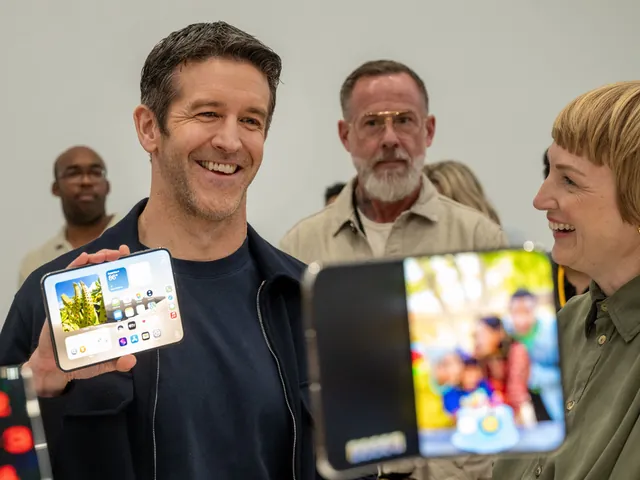
- High-Profile Attendees: The dinner drew a significant contingent of American business and tech leaders, including CEOs from Apple, OpenAI, Google, Amazon, and Nvidia, alongside Trump administration officials and family members. Notably, Elon Musk and Mark Zuckerberg were present, while Anthropic, a major AI firm, was conspicuously absent.
- Symbolic Gifts and Toasts: President Trump presented President Xi with a sculpture of a bald eagle, symbolizing America's spirit. Both leaders delivered speeches emphasizing friendship, mutual respect, and the importance of responsible global leadership, with Trump stating they had “never gotten along better.”
- Ceremonial Activities: Prior to the dinner, Trump and Xi, accompanied by their wives, shared tea and toured the US National Archives, viewing foundational American documents. The visit concluded with Xi's departure from Washington later that day.
- Protests: The diplomatic proceedings were accompanied by protests outside the White House, with some demonstrators being arrested.
Background
The state dinner occurred amidst a complex and often tense relationship between the United States and China. While diplomatic channels remain open, significant friction points persist, particularly concerning trade imbalances, intellectual property theft allegations, China's geopolitical ambitions, and the escalating race for technological supremacy, especially in artificial intelligence (AI). This visit was framed by the Trump administration as an opportunity to foster personal rapport between the leaders, believing that a strong personal relationship could smooth over deeper policy disagreements. Previous interactions have seen a mix of conciliatory gestures and sharp rhetoric, reflecting the inherent difficulties in aligning the interests of the world's two largest economies.
Impact Analysis
Despite the outwardly positive rhetoric and the symbolic significance of the gathering, the state dinner yielded little in terms of tangible progress on critical bilateral issues. Experts widely noted that the event was primarily focused on optics and reaffirming a basic level of diplomatic engagement rather than addressing contentious trade disputes, cybersecurity concerns, or the strategic implications of AI development. The presence of numerous tech executives highlighted the administration's focus on the technological competition, yet no specific agreements or frameworks for collaboration or de-escalation in this sensitive area were announced. The lack of substantial outcomes underscores the deep-seated nature of the US-China rivalry, which transcends personal relationships between leaders and is driven by fundamental geopolitical and economic forces.
Broader Context
The US-China relationship is a defining element of the contemporary international order. Both nations wield significant global influence, and their interactions shape everything from global trade flows and supply chains to international security and technological standards. This state dinner took place against a backdrop of increasing strategic competition, often characterized as a new Cold War by observers. While Trump has often expressed a transactional approach to foreign policy, seeking deals and personal connections, Xi Jinping leads a China that is increasingly assertive on the global stage, pursuing its own vision of international order. The dinner, therefore, represented a delicate balancing act: projecting an image of stability while navigating profound disagreements that have far-reaching implications for global stability and economic prosperity.
Future Outlook
The immediate future of US-China relations following this state dinner remains uncertain. While the cordiality displayed might offer a temporary reprieve from heightened tensions, the underlying structural challenges are unlikely to be resolved through symbolic gestures alone. Future engagement will likely continue to be characterized by a mixture of cooperation on shared interests (such as climate change or pandemic preparedness) and intense competition in areas like technology, trade, and geopolitical influence. The effectiveness of future diplomatic efforts will depend on the ability of both sides to move beyond rhetoric and engage in substantive negotiations that address the core issues driving their strategic rivalry. The continued participation of the private sector, particularly tech leaders, suggests that technological competition will remain a central theme in the bilateral relationship.
Conclusion
The state dinner between President Trump and President Xi was a meticulously staged event, rich in symbolism and diplomatic courtesies. It successfully projected an image of personal rapport and a commitment to maintaining stability. However, the absence of concrete agreements on pressing issues like trade, technology, and security suggests that the fundamental challenges in the US-China relationship persist. While the leaders toasted to friendship and a harmonious future, the substantive work required to navigate their complex and competitive relationship lies ahead, demanding more than just warm words and elaborate dinners.
Source: bbc.co.uk