President Trump Enacts the GENIUS Act, Aiming to Propel U.S. as Global Cryptocurrency Leader
Introduction
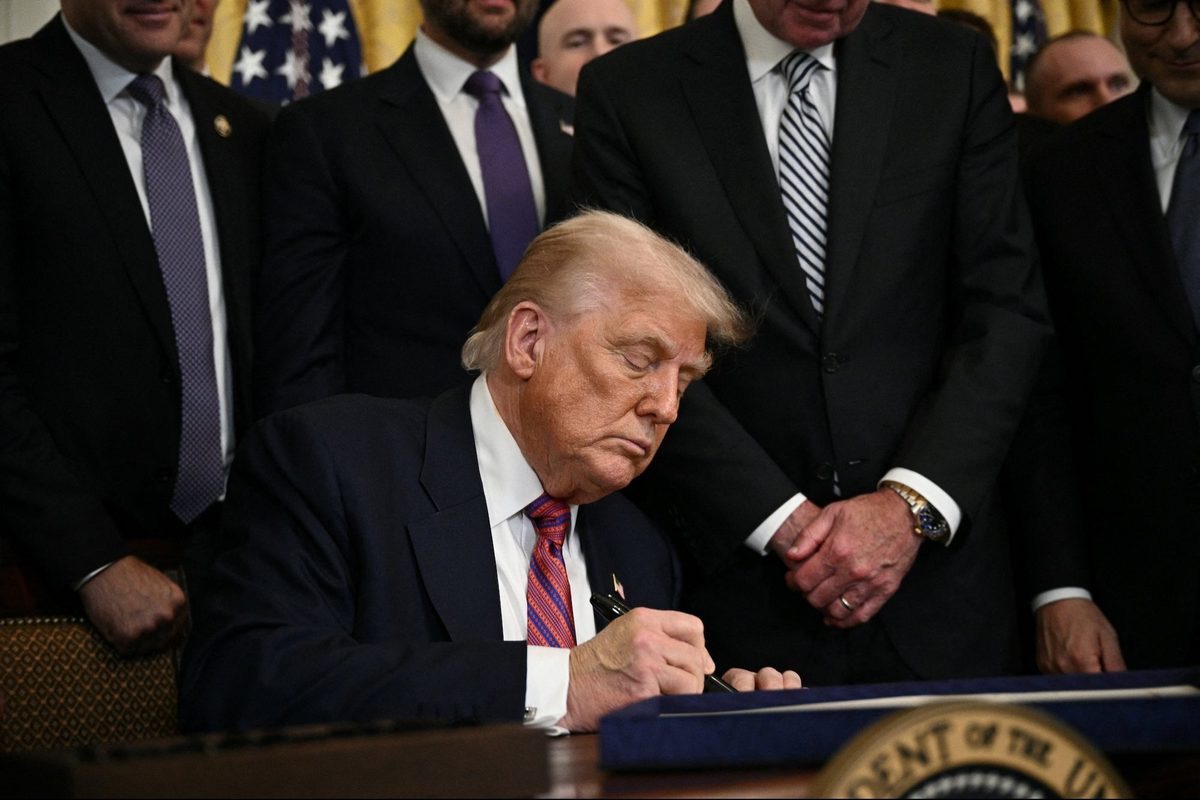
On a significant day for the rapidly evolving financial technology sector, President Donald Trump officially signed the GENIUS Act into law on Friday. This groundbreaking legislation is designed to position the United States at the forefront of cryptocurrency innovation and market leadership. The act represents a strategic move to foster a supportive regulatory environment, encouraging investment, innovation, and consumer protection in digital assets.
Key Details
- The GENIUS Act introduces clear regulatory guidelines for cryptocurrencies and blockchain technologies.
- It aims to simplify compliance for businesses while ensuring robust consumer protections.
- The act mandates coordination between federal agencies to streamline oversight and reduce regulatory fragmentation.
- It encourages technological innovation through government-backed incentives and funding opportunities.
- The legislation places the U.S. in direct competition with other nations seeking to become cryptocurrency hubs, such as Singapore, Switzerland, and the European Union.
Background
Cryptocurrency markets have experienced exponential growth over the past decade, with digital assets becoming a mainstream investment and payment medium. However, regulatory uncertainty has been a persistent issue, deterring some investors and businesses from fully engaging with the sector. Prior to the GENIUS Act, the U.S. regulatory landscape was characterized by overlapping jurisdiction among agencies such as the Securities and Exchange Commission (SEC), Commodity Futures Trading Commission (CFTC), and the Treasury Department, leading to confusion and compliance challenges.
Globally, countries have taken varied approaches to digital currencies, ranging from outright bans to embracing innovation-friendly regulations. Nations like Switzerland have leveraged clear legal frameworks to attract blockchain startups, while Asian financial centers have launched initiatives to integrate cryptocurrencies into their economies. Recognizing the risk of losing technological and financial leadership, U.S. lawmakers crafted the GENIUS Act to create a balanced yet progressive regulatory environment.
Analysis
The signing of the GENIUS Act marks a pivotal moment in U.S. economic policy, reflecting a shift from cautious oversight toward proactive engagement with cryptocurrency technologies. By clarifying legal definitions and compliance requirements, the act reduces the regulatory ambiguity that has hampered innovation and adoption. This regulatory clarity is expected to encourage major financial institutions, fintech startups, and international investors to increase their cryptocurrency activities in the U.S.
Furthermore, the GENIUS Act's provisions for inter-agency cooperation signal a more unified federal approach, which could streamline enforcement and reduce bureaucratic delays. This coherence is critical given the global and decentralized nature of blockchain networks and digital assets.
Critics of the legislation caution that despite its benefits, there remain risks related to market volatility, cybersecurity, and illicit activities such as money laundering. However, the act incorporates enhanced measures for transparency and anti-fraud protections, aiming to mitigate these concerns.
Conclusion
President Trump’s endorsement of the GENIUS Act underscores a strategic commitment to foster U.S. leadership in the burgeoning field of cryptocurrency and blockchain technology. By establishing a clearer regulatory framework and promoting innovation, the legislation positions the U.S. to compete effectively on the global stage. Moving forward, the implementation of the GENIUS Act will be closely watched by industry stakeholders, investors, and policymakers, as its success could shape the future trajectory of digital finance both domestically and internationally.