Urgent Need for Innovative Cooling Solutions to Protect the Great Barrier Reef Amid Rising Temperatures
Introduction
The Great Barrier Reef, one of the world’s most biodiverse marine ecosystems and a UNESCO World Heritage site, is currently facing an unprecedented environmental challenge. Scientists have observed a rapid increase in water temperatures, linked to a recent drop in shipping emissions that, paradoxically, has contributed to a warming spike. This development has heightened concerns over coral bleaching, a phenomenon that severely damages reef health and jeopardizes the myriad marine species depending on it. In response, marine scientists and environmentalists are advocating for urgent, innovative mitigation strategies such as marine cloud brightening to provide artificial cooling and protect this vital ecosystem.
Key Details
- The Great Barrier Reef has experienced rising sea temperatures, further exacerbated by changes in atmospheric conditions following a reduction in shipping emissions.
- Shipping contributes to atmospheric aerosols that historically have had a cooling effect by reflecting sunlight; their reduction has unintentionally increased warming locally around the reef.
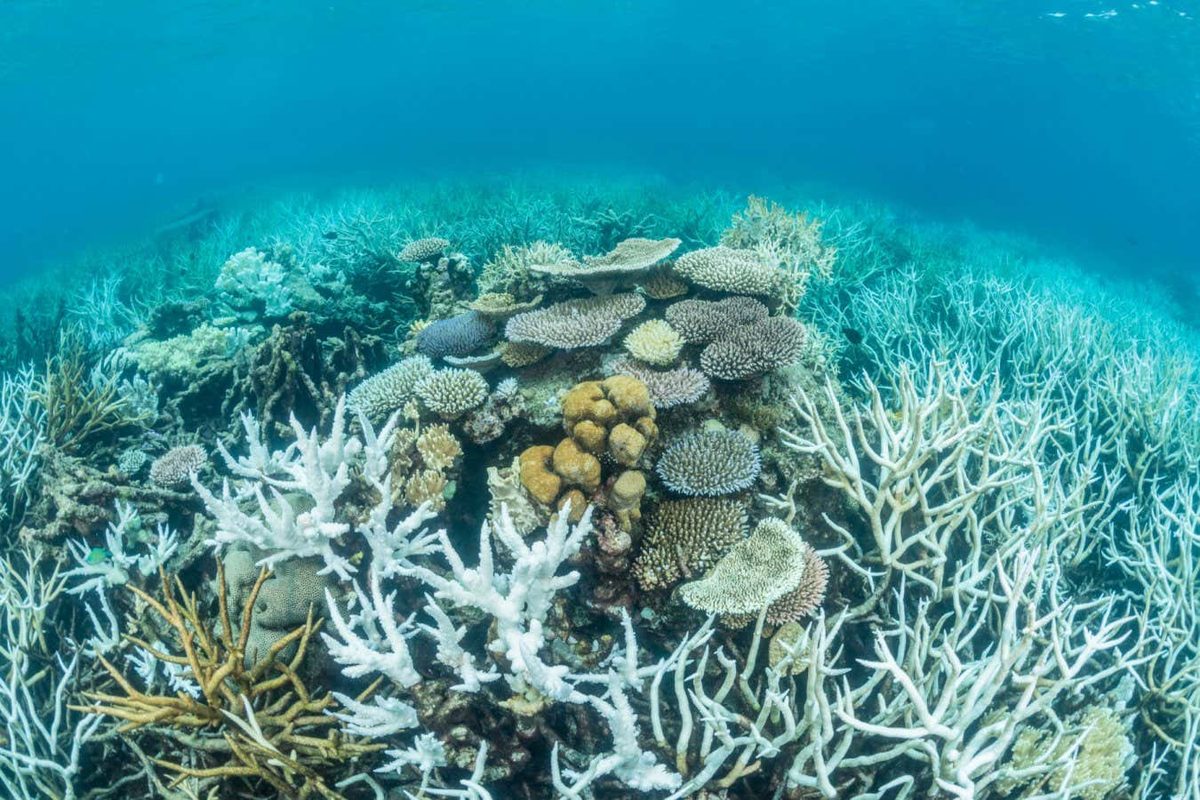
- The warming spike has significantly increased the risk and frequency of coral bleaching events, which occur when corals expel the symbiotic algae vital to their survival.
- Marine cloud brightening is proposed as a geoengineering approach to artificially increase cloud reflectivity and cool surface waters.
- Environmental groups emphasize that such interventions should complement, not replace, broader climate change mitigation efforts.
- There is ongoing debate among scientists regarding the efficacy, risks, and ethical considerations of geoengineering methods.
Background
The Great Barrier Reef, stretching over 2,300 kilometers along Australia's northeast coast, is home to thousands of species and supports local economies through tourism and fishing. Over recent decades, global warming has led to repeated bleaching events, devastating large portions of the reef. Typically, shipping emissions release particulate matter that can form aerosols, which reflect sunlight and have a localized cooling effect. However, efforts to reduce pollution and cleaner shipping technologies have decreased these aerosols, unintentionally reducing the shielding effect and allowing more solar radiation to warm the reef waters.
This paradox highlights the complex interplay between human activities and natural systems, demonstrating how reductions in one form of pollution can have unintended environmental impacts. The spike in warming has been detected by satellite monitoring and in situ temperature sensors, correlating strongly with recent emission declines.
Analysis
The surge in warming due to reduced shipping aerosols presents a new challenge for reef conservationists. While reducing emissions is critical for global climate health, this case illustrates the nuanced consequences of emission changes on local environments. The reef's vulnerability to thermal stress demands immediate and effective interventions.
Marine cloud brightening involves spraying fine sea salt particles into the atmosphere to enhance cloud albedo, reflecting more sunlight away from the ocean surface. This technique could provide targeted cooling to vulnerable marine regions, buying time for ecosystems to adapt or recover. However, geoengineering comes with uncertainties, including potential impacts on weather patterns and marine ecosystems elsewhere, and raises ethical questions about human intervention in natural systems.
Experts emphasize that while such technological solutions are promising, they must be carefully researched and deployed within a framework that prioritizes reducing greenhouse gas emissions and protecting marine habitats through conservation policies and sustainable practices.
Conclusion
The recent warming spike at the Great Barrier Reef highlights the urgent need for innovative and multifaceted responses to protect this irreplaceable ecosystem. While reducing shipping emissions is beneficial for air quality and global climate goals, the unintended consequence of increased local warming calls for adaptive strategies such as marine cloud brightening. Balancing immediate reef protection with long-term climate action requires coordinated efforts from scientists, policymakers, and the global community to ensure the reef’s survival for future generations.