Discovery of New Microbial Life in Ship Rudder Goo Could Transform Understanding of Hidden Ecosystems
Introduction
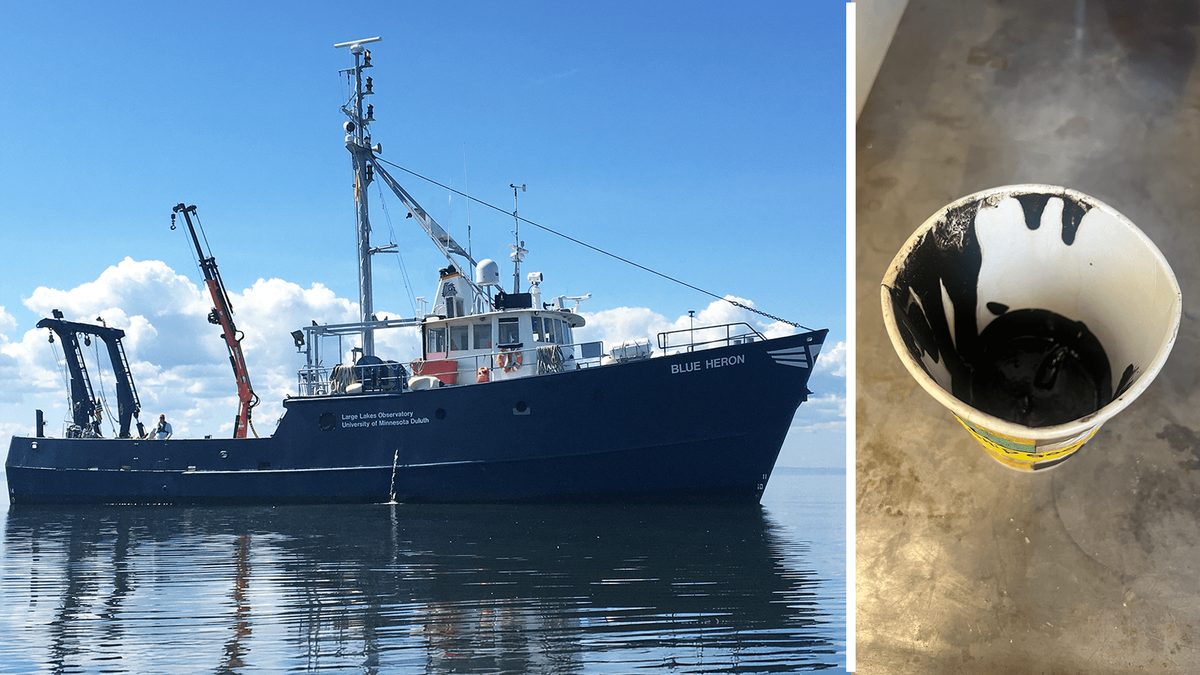
In late August 2024, a peculiar viscous black substance was discovered oozing from the rudder shaft of the research vessel R/V Blue Heron while docked in a Cleveland shipyard for propeller repairs. What appeared initially as a thick grease or oil defied typical characteristics expected from ship lubricants, sparking curiosity and investigation. This discovery has since revealed a trove of previously unknown microbial life forms, with potentially significant implications for microbiology and environmental sciences.
Key Details
- The substance, dubbed “ship goo,” was found on the rudder shaft of the R/V Blue Heron, a University of Minnesota research vessel operating in the Great Lakes.
- The goo did not smell like petroleum, nor did it leave an oily sheen or burn in flame tests, indicating it was not a conventional lubricant.
- Microbial ecologists extracted DNA from the goo, revealing novel genetic sequences unlike any previously documented organisms.
- Genome sequencing identified over 20 unique microbes, including a completely new order of archaea named ShipGoo01, and potential new bacterial phyla.
- The microbes appear to exist in a low-oxygen environment, some consuming oxygen while others are anaerobic, suggesting a complex ecological balance within the goo.
- The origin of the microbes is unclear, with some similar to organisms found in oil wells and tar pits globally, posing questions about their introduction and sustenance aboard the ship.
- Only one sample of the goo was collected; further sampling is complicated by ship maintenance and cleaning practices.
Background
The R/V Blue Heron is a Great Lakes research vessel owned by the University of Minnesota Duluth that has operated since its purchase in 1997. The discovery was initially made by Doug Ricketts, Marine Superintendent at the Large Lakes Observatory, during routine maintenance. Unlike typical rudder shafts lubricated by lake water, the presence of this unusual thick black material raised immediate questions. Early informal tests by the ship’s captain showed the goo lacked expected petroleum properties, prompting laboratory analysis.
Microbial ecologist Cody Sheik of the University of Minnesota Duluth initially doubted the possibility of finding viable life in the tar-like substance but was surprised when DNA extraction and subsequent gene sequencing revealed novel microbial life. Further genomic analysis confirmed the presence of unique archaea and bacteria, including organisms representing an entirely new order, ShipGoo01.
Impact Analysis
The identification of such unique microorganisms on a ship’s rudder shaft offers new insights into microbial resilience and diversity in man-made aquatic environments. The discovery of ShipGoo01 and related microbes expands the tree of life and challenges current understanding of microbial ecosystems associated with maritime machinery. These microbes’ ability to survive in an environment deprived of oxygen and perhaps subsisting on metal or organic matter illustrates complex adaptive strategies.
Understanding these microbes’ metabolic pathways could have important applications. Prior discoveries of novel microbes have led to breakthroughs in bioremediation, pollution management, and pharmaceutical development. The unique archaea and bacteria found within the goo could likewise harbor enzymes or biochemical processes useful for industrial or environmental purposes. However, the limited sample size and the potential loss of further material due to cleaning present challenges for ongoing study.
Broader Context
This finding adds to growing evidence that microbial life is pervasive, even in unexpected and extreme niches such as ship rudder shafts. The Great Lakes region, with its diverse aquatic ecosystems, has been a focal point for microbial ecology research, but the discovery of entirely new microbial orders in this context is unprecedented. Moreover, microbes associated with hydrocarbon-rich environments like oil wells and tar pits suggest possible anthropogenic influences or ancient microbial lineages persisting in modern structures.
Funding constraints and resource limitations often hamper the detailed study of such discoveries. As Cody Sheik notes, many university laboratories face uncertain futures due to fluctuating financial support, risking the loss of opportunities to uncover and harness novel biological resources. The race to understand microbial diversity hidden in plain sight underscores the urgent need for sustained investment in basic scientific research.
Future Outlook
Scientists involved in this study plan to conduct further chemical isotope analyses to pinpoint the nutrient sources sustaining these microbial communities, distinguishing between organic inputs like algae and synthetic compounds such as motor lubricant. Deciphering the complete metabolic networks within the ship goo could illuminate unknown biochemical cycles.
Despite the difficulty in obtaining additional samples from the Blue Heron, researchers posit that similar microorganisms likely inhabit rudder shafts of other vessels worldwide. This opens a new avenue of study into maritime microbial ecosystems and their potential applications. Continued research could lead to the discovery of novel bioactive compounds or environmentally beneficial microbes capable of degrading pollutants.
Securing funding and institutional support remains a priority to advance this research and fully document these newly identified life forms. Publication in peer-reviewed scientific journals is anticipated once more data is analyzed.
Conclusion
The unexpected discovery of novel microbial life within the mysterious ship goo on the R/V Blue Heron’s rudder shaft represents a significant breakthrough in environmental microbiology. It challenges assumptions about where life can thrive and highlights the hidden biodiversity present in human-made environments. While many questions remain about the origin, ecology, and potential applications of these microbes, this finding underscores the vast unknown microbial world waiting to be explored. Continued research into such unique ecosystems may yield benefits spanning ecological understanding, biotechnology, and pollution remediation, provided adequate scientific investment is secured.
“Microbes are everywhere. The more we investigate, the more we realize the incredible diversity hidden in the most unlikely places.” – Cody Sheik, microbial ecologist.