Uma Thurman Reflects on the Unexpected Legacy of Pulp Fiction: A Cultural Phenomenon Born from Modest Beginnings
Introduction
Nearly three decades after its release, Quentin Tarantino's Pulp Fiction continues to resonate as a landmark film in modern cinema. Its distinctive narrative structure, sharp dialogue, and memorable characters have cemented its status as a cultural touchstone. However, star Uma Thurman recently shared that during the film's production in the early 1990s, she did not foresee just how influential the movie would become.
Key Details
- Pulp Fiction was produced on a relatively modest budget of seven figures, considered small even for its time.
- Upon its 1994 release, the film garnered critical acclaim and went on to win the Palme d'Or at Cannes and an Academy Award for Best Original Screenplay.
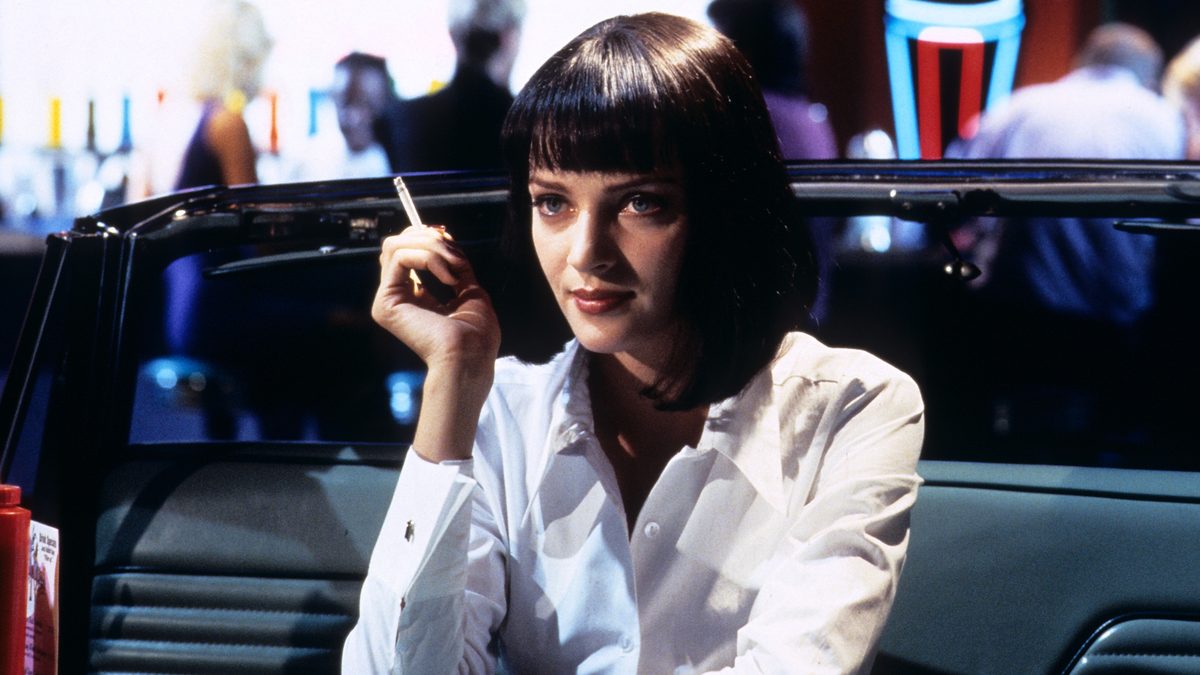
- Uma Thurman's iconic role as Mia Wallace became one of the most enduring characters in cinematic history.
- Despite its eventual success, the film's impact was not immediately apparent to those involved in its making.
- Thurman discussed these reflections in a recent interview with The Times U.K., emphasizing the unexpected nature of the film's legacy.
Background
Pulp Fiction emerged during a period when independent cinema was gaining momentum, with filmmakers pushing boundaries beyond the conventional Hollywood formula. Quentin Tarantino, known for his sharp, stylized dialogue and non-linear storytelling, crafted a film that interwove multiple narratives filled with pop culture references, dark humor, and violence. The film's episodic structure and eclectic soundtrack created a fresh cinematic language that appealed to a generation of moviegoers and critics alike.
Uma Thurman, cast as Mia Wallace, the enigmatic wife of a gangster, delivered a performance that blended cool detachment with underlying vulnerability. The character’s dance scene and memorable lines have since become staples of film history. Yet, at the time, Thurman and her co-stars were simply immersed in the craft, unaware of the cultural imprint their work would leave.
Analysis
The surprise expressed by Thurman underscores a broader phenomenon in filmmaking: the unpredictability of a film’s lasting impact. Pulp Fiction did not emerge from a blockbuster studio system with massive marketing budgets; instead, it relied on Tarantino's unique vision and the cast’s dedication. This organic growth into a cult classic and eventually mainstream classic is a testament to the power of innovation and storytelling authenticity.
Furthermore, the film’s success helped launch the careers of several actors and revitalized careers that had stalled. It also influenced the aesthetic and narrative style of countless subsequent films, TV shows, and even music videos. The ripple effects extended beyond cinema, permeating pop culture with references and homages that continue to surface.
Thurman’s reflections also highlight the often-unseen perspective of artists on their own work. While audiences and critics analyze and dissect films years after release, those involved in production may experience the process as routine or simply as a job. This disconnect can make the recognition of a film’s cultural significance a gradual realization rather than an immediate understanding.
Conclusion
Uma Thurman’s admission that she did not anticipate the iconic status of Pulp Fiction invites us to appreciate the unpredictable nature of artistic impact. The film’s journey from a modestly budgeted independent project to a celebrated masterpiece exemplifies how creativity and risk-taking can reshape cultural landscapes. As Pulp Fiction continues to inspire new generations, Thurman's insights remind us that sometimes, the true value of art is only fully grasped with time.