Jonas Brothers Revive Early 2000s Sound with New Single 'Listen When Sad' at MSG
Introduction
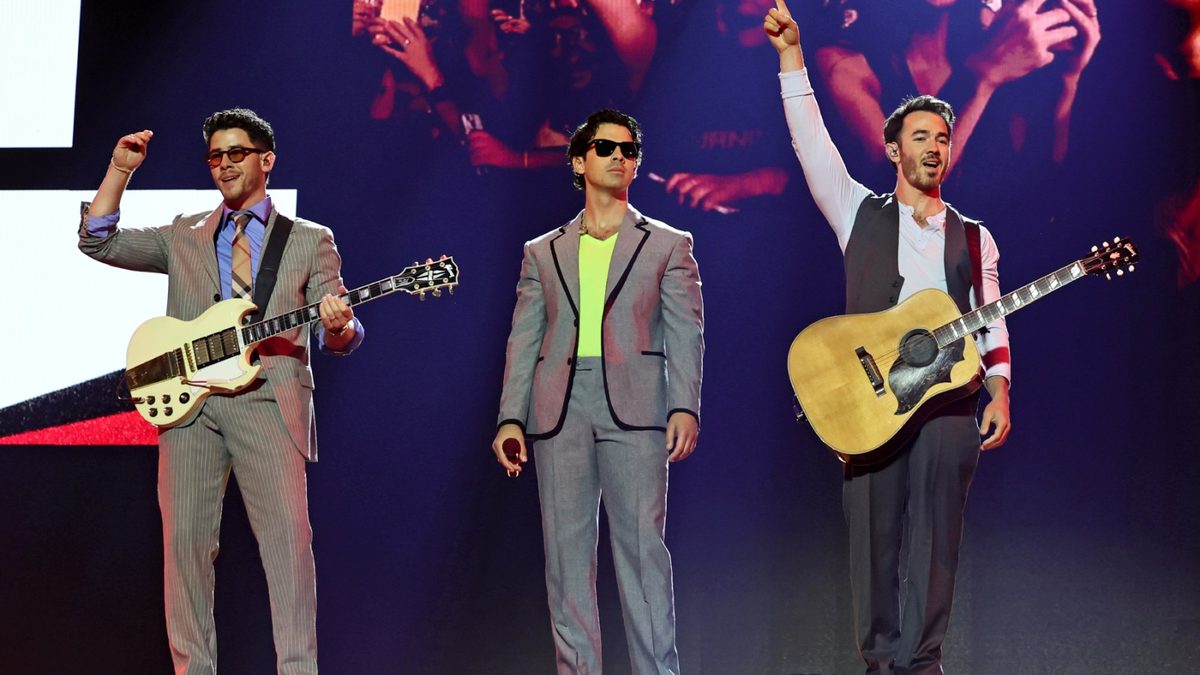
The iconic pop-rock trio, Jonas Brothers, recently treated fans to a live debut of their unreleased single, “Listen When Sad,” during a electrifying performance at New York’s legendary Madison Square Garden. This unveiling marks a significant moment for the band, not only for introducing new music but also for signaling a deliberate return to the musical aesthetics that defined their early career and resonated with a generation.
Key Details
- New Single Debut: Jonas Brothers performed “Listen When Sad” for the first time live at Madison Square Garden.
- Sonic Direction: Nick Jonas described the new sound as tapping back into the “sound of the early 2000s,” citing influences like Switchfoot, Taking Back Sunday, and Dashboard Confessional.
- Production Collaboration: The band reunited with the producer of their early albums, including their self-titled album, *A Little Bit Longer*, and *Lines, Vines and Trying Times*.
- Tour Context: The performance occurred during their “Burning Up Tour: All Over Again,” a nod to their 2008 “Burnin’ Up Tour.”
- Nostalgic Revival: The tour and the new single’s sound reflect a broader trend of revisiting and reinterpreting the music of the early 2000s.
- Camp Rock Connection: The band also recently reprised their roles in the *Camp Rock* franchise for *Camp Rock 3*, contributing a new song, “Come On Over,” under their fictional band name Connect 3.
Background
The Jonas Brothers, comprised of siblings Kevin, Joe, and Nick Jonas, have enjoyed a career spanning over two decades, marked by significant commercial success and a dedicated fanbase. Their early work, particularly albums like *A Little Bit Longer* (2008), achieved multi-platinum status and cemented their place in the pop-rock landscape. The original “Burnin’ Up Tour” in 2008 was a massive undertaking that coincided with the success of *A Little Bit Longer*, which topped the Billboard 200 chart and sold over two million copies. This period is often remembered fondly by fans for its earnest pop-rock anthems and the band’s youthful energy.
The recent resurgence of the Jonas Brothers has seen them explore different facets of their musical identity. While their comeback album, *Happiness Begins* (2019), leaned into a more contemporary pop sound, the debut of “Listen When Sad” suggests a conscious decision to reconnect with their roots. This move is particularly interesting given the current musical climate, where nostalgia often plays a significant role in audience reception and artistic direction.
Impact Analysis
The decision to lean into an early 2000s sound for “Listen When Sad” is a strategic one. This era was characterized by a blend of pop-punk, emo, and alternative rock influences, often featuring driving guitar riffs, introspective lyrics, and anthemic choruses. By revisiting these elements, the Jonas Brothers are likely aiming to tap into the nostalgia of their original fanbase while also appealing to a new generation discovering the music of that period. This sonic palette offers a distinct contrast to the slicker, more R&B-infused pop that has dominated charts in recent years.
The live debut at Madison Square Garden, a venue synonymous with musical history, amplifies the significance of this new direction. It provides a grand stage for the band to showcase their evolution while simultaneously honoring their past. The inclusion of influences like Switchfoot and Taking Back Sunday suggests a desire to imbue their music with a rawer, more guitar-driven edge, potentially broadening their appeal beyond traditional pop audiences.
Broader Context
The Jonas Brothers’ embrace of early 2000s sounds aligns with a broader cultural trend of nostalgia. The 2000s have become a significant source of inspiration for current fashion, film, and music. This phenomenon is driven by millennials and Gen Z who are either reliving their formative years or discovering the aesthetics of the era for the first time. In music, this has manifested in the resurgence of pop-punk, the continued popularity of artists who emerged in the 2000s, and new artists adopting the sonic hallmarks of that decade.
Furthermore, the band’s involvement in *Camp Rock 3* and the release of a song under the Connect 3 moniker further underscores this theme of revisiting the past. While *Camp Rock* is associated with their Disney Channel origins, the fictional band Connect 3 allows them to playfully engage with their history. This multi-pronged approach—new music, a nostalgic tour, and a nod to their early acting career—demonstrates a comprehensive strategy to leverage their legacy while forging a path forward.
Future Outlook
The studio version of “Listen When Sad” is eagerly anticipated, and its release could signal a new chapter for the Jonas Brothers. If the song resonates with audiences, it might pave the way for an album that fully embraces this early 2000s-inspired sound. This could allow the band to differentiate themselves in a crowded music market and potentially attract a more diverse listenership. The success of this new direction will likely depend on how authentically they can blend their established pop sensibilities with the edgier, more alternative influences they are drawing upon.
The ongoing “Burning Up Tour: All Over Again” provides a crucial platform to test the waters with this new material and gauge fan reaction. The tour’s success, coupled with the reception of “Listen When Sad,” will be key indicators for the band’s future creative decisions. Their ability to balance nostalgia with innovation will be paramount in maintaining their relevance and continuing their chart success.
Conclusion
The debut of “Listen When Sad” at Madison Square Garden is more than just the introduction of a new song; it is a statement of intent from the Jonas Brothers. By consciously harkening back to the sounds of the early 2000s and collaborating with a producer from their formative years, the band is embarking on a journey of sonic rediscovery. This move, coupled with their nostalgic tour and *Camp Rock* reunion, suggests a thoughtful strategy to connect with their past while charting a compelling course for the future. The music world will be watching closely to see if this blend of nostalgia and new artistry can capture the hearts of both long-time fans and new listeners alike.
“We’ve tapped back into a sound that was kind of the sound of the early 2000s,” Nick told the crowd. “To be honest, that was heavily inspiring to us. Bands like Switchfoot, Taking Back Sunday, Dashboard Confessional.”
Source: rollingstone.com