Trump Escalates War on Press, Barring CNN from Air Force One Amid Court Battles
Introduction
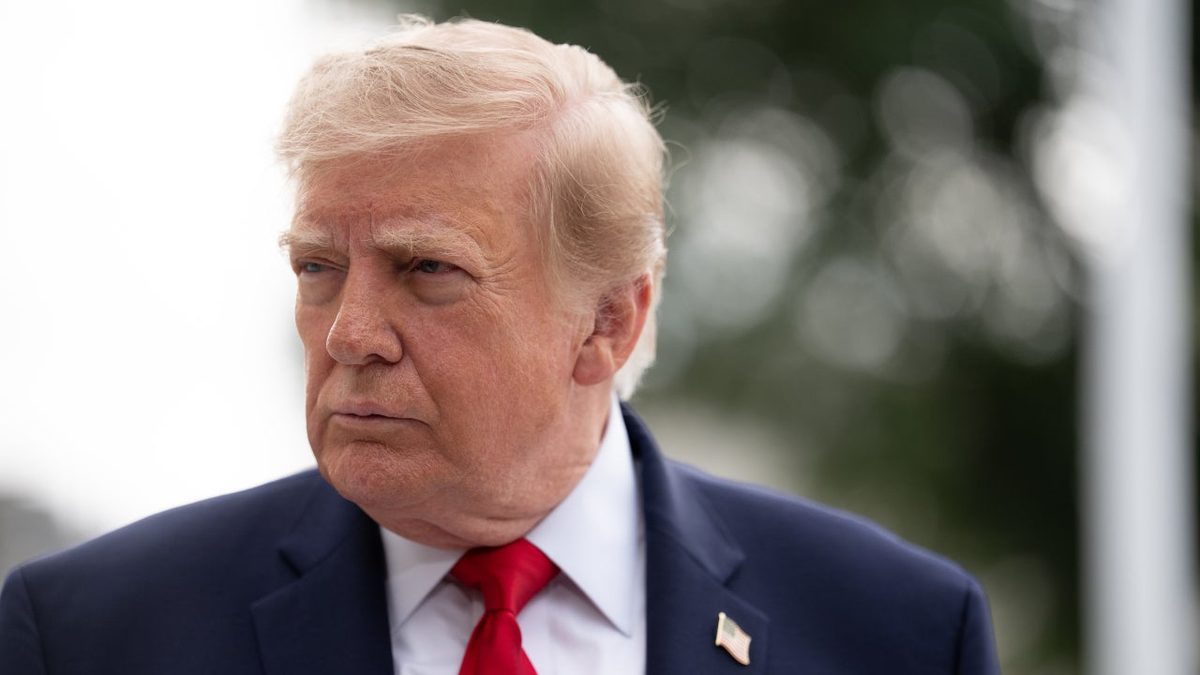
President Donald Trump has once again escalated his contentious relationship with the press, publicly denouncing news organizations and taking actions to restrict their access. In a series of posts on his social media platform, Truth Social, Trump lashed out at what he termed “fake news,” specifically targeting CNN and MSNBC. This rhetoric was accompanied by a tangible action: barring CNN reporters from traveling aboard Air Force One on Saturday. This incident occurs just days after a federal judge mandated the reinstatement of White House press credentials for CNN, MSNBC, and Politico, which had been previously revoked.
Key Details
- President Trump publicly criticized news outlets CNN and MSNBC on Truth Social, labeling them “perpetrators of FAKE NEWS.”
- He questioned why such outlets should be allowed access to the White House, which he described as a “very sacred place.”
- Trump claimed that nearly 100% of coverage about him has been negative, despite his “big Election Win.”
- CNN was denied access to travel on Air Force One as the President departed for an event.
- This ban followed a federal court order that compelled the White House to restore press access for CNN, MSNBC, and Politico after a prior revocation.
- Trump also addressed coverage of Florida gubernatorial candidate Rep. Byron Donalds, claiming a “Fake Story” by USA Today aimed to halt his “ever upward momentum.”
- He reiterated his belief that the courts should intervene to restrict access for “corrupt and dishonest” media organizations.
- Trump stated his mission to expose “Hypocrisy, Dishonesty, and LIES” perpetrated by the media.
Background
The recent actions and statements by President Trump are part of a long-standing pattern of animosity between the President and numerous news organizations. Trump has frequently accused major media outlets of biased reporting and deliberately spreading misinformation, often referring to them collectively as the “fake news media.” This rhetoric has been a consistent feature of his presidency and campaign rallies. The specific incident involving CNN’s exclusion from Air Force One and the broader call for court-ordered media bans come in the wake of a legal battle over White House press access. A federal judge had previously ruled against the administration’s decision to revoke credentials for CNN, MSNBC, and Politico, ordering their reinstatement. This ruling underscored the ongoing tension between the executive branch’s desire to control access and the media’s role in reporting on government activities.
Impact Analysis
President Trump’s continued attacks on the press and his attempts to restrict access have significant implications for the public’s right to information and the functioning of democracy. By labeling news organizations as “fake news” and “sick people,” Trump undermines the credibility of legitimate journalism, making it harder for citizens to distinguish between factual reporting and propaganda. The barring of CNN from Air Force One, a venue that traditionally offers direct access to the President’s activities, limits the public’s ability to receive timely and comprehensive reporting. Furthermore, the call for judicial intervention to ban media outlets sets a dangerous precedent, potentially infringing upon First Amendment protections of a free press. While Trump frames these actions as necessary to combat dishonesty, critics argue they are aimed at silencing unfavorable coverage and controlling the narrative, thereby weakening democratic accountability.
Broader Context
The conflict between President Trump and the media is emblematic of a broader global trend where political leaders challenge the role and integrity of independent journalism. In many countries, leaders have adopted similar tactics of discrediting news sources, promoting state-controlled media, and restricting journalistic freedom. This erosion of trust in traditional media can create fertile ground for disinformation and polarization. The President’s use of social media platforms like Truth Social to directly communicate with his base, bypassing traditional media filters, further intensifies this dynamic. His framing of the media as an adversary, rather than a necessary check on power, contributes to a deeply divided information ecosystem where objective truth is increasingly contested.
Future Outlook
The ongoing friction between the Trump administration and the press suggests that these tensions are likely to persist. Future confrontations over press access and reporting are probable, particularly as the administration seeks to manage its public image and counter critical coverage. The legal battles over media credentials may continue, with potential implications for how access is granted and revoked in the future. The President’s rhetoric also signals a continued effort to delegitimize critical reporting, potentially leading to further polarization of public opinion regarding the media. The long-term impact will depend on the resilience of journalistic institutions, the public’s ability to discern credible information, and the outcomes of ongoing legal and political challenges to press freedom.
Conclusion
President Trump’s recent actions, including barring CNN from Air Force One and his strong condemnations of news organizations on Truth Social, underscore a deep and ongoing conflict with the press. These events, occurring shortly after a court order reinstated White House access for several outlets, highlight the administration’s persistent efforts to control media narratives and access. While the President frames these measures as a fight against “fake news” and dishonesty, they raise serious concerns about press freedom, the public’s right to information, and the health of democratic discourse. The situation reflects a broader challenge to independent journalism globally and suggests that such confrontations will likely continue, shaping the future of media-government relations in the United States.
Source: thewrap.com