UK Government Commits to Dramatic Reduction of Sewage Pollution by 2030
Introduction
The UK government has recently announced an ambitious target to reduce sewage spills into rivers and coastal waters by 50% by the year 2030. This initiative aims to address the chronic issue of untreated or partially treated sewage being discharged into natural water bodies, a problem that has long affected environmental quality, biodiversity, and public health. The announcement arrives amid heightened scrutiny of the water sector's infrastructure and environmental performance, especially concerning companies like Thames Water, which is the UK's largest water and wastewater services provider.
Key Details
- The government has pledged a 50% reduction in sewage overflow incidents by 2030.
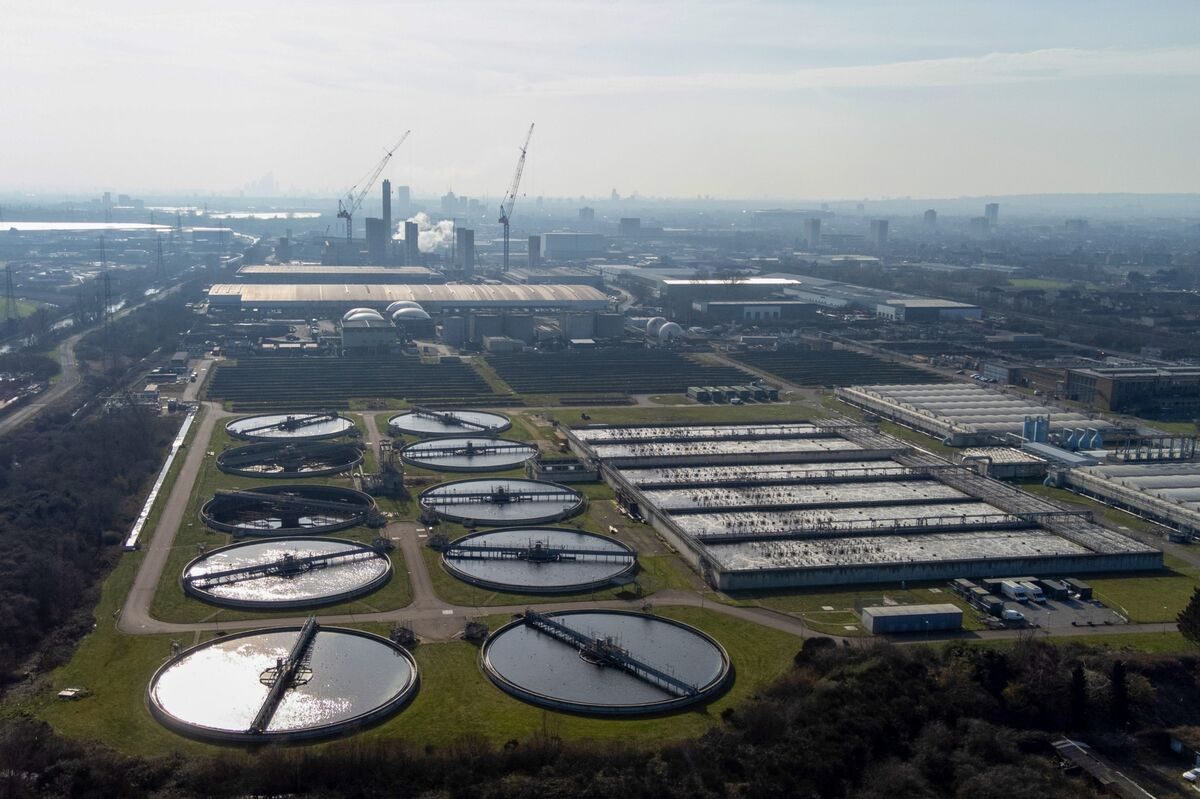
- Thames Water, which operates several sewage treatment works in London, including the North London facility, recently secured an emergency loan of up to £3 billion to manage its debts and invest in infrastructure improvements.
- The emergency loan was approved by a London court, providing Thames Water with additional time to reorganize its finances amid growing pressures.
- These measures come as part of a broader governmental strategy to enhance water quality, improve sewage treatment infrastructure, and enforce stricter environmental regulations on water companies.
- Environmental groups and public health advocates have welcomed the pledge but emphasize the need for clear enforcement mechanisms and transparent progress tracking.
Background
Sewage spills and untreated wastewater discharge have been a persistent challenge in many parts of the UK, particularly in urban areas where aging infrastructure struggles to cope with population growth and extreme weather events. Thames Water, serving London and surrounding regions, frequently faces public criticism due to repeated sewage overflow incidents during heavy rainfall seasons. These events not only pollute rivers, lakes, and coastline but also pose risks to aquatic ecosystems and human health. The issue is compounded by the financial difficulties faced by water companies, which hamper their ability to invest adequately in upgrading and maintaining critical wastewater treatment facilities.
In February 2025, Thames Water obtained an emergency loan of up to £3 billion after a judge in London allowed the company more time to refinance and restructure its debt obligations. This financial injection is intended to stabilize the company and enable necessary capital expenditure to meet new environmental standards and infrastructure demands.
Analysis
The UK government's pledge to cut sewage spills by half within the next five years reflects a growing recognition of the environmental and social costs associated with inadequate wastewater treatment. Sewage pollution triggers a cascade of detrimental effects, including the contamination of recreational waters, degradation of aquatic habitats, spread of waterborne diseases, and economic losses related to tourism and fisheries. The ambitious target places significant pressure on water companies, regulators, and policymakers to collaborate and accelerate infrastructure investments and reforms.
Thames Water's recent financial struggles illustrate the complexities involved in managing and upgrading sewage infrastructure. The company's dependency on emergency loans highlights underlying funding gaps often experienced in the water sector, especially when balancing shareholder returns with necessary environmental investments. The government’s intervention, through financial support and regulatory oversight, underscores a shift toward more proactive management of water resources.
Environmental watchdogs have called for transparency in how the pledged reductions will be achieved and measured. This includes clear timelines, independent monitoring of sewage spill occurrences, and public reporting. Moreover, there is a pressing need to incorporate nature-based solutions, such as wetlands restoration and sustainable urban drainage systems, to reduce stormwater overflow and improve water quality naturally.
Conclusion
The UK government’s commitment to halving sewage pollution by 2030 marks a critical step toward safeguarding the nation's water bodies from the detrimental impacts of untreated wastewater. While this pledge brings hope for cleaner rivers and coastal waters, achieving these targets will require robust investment, innovative infrastructure solutions, and stringent regulatory enforcement. The financial stabilization of companies like Thames Water is vital but must be complemented by transparent accountability and community engagement. Ultimately, success depends on sustained commitment from all stakeholders to prioritize environmental health and public safety in the management of the UK’s wastewater systems.