Gold Prices Slip as Trump Calms Markets Over Fed Leadership Dispute
Gold Prices Slip as Trump Calms Markets Over Fed Leadership Dispute
Introduction
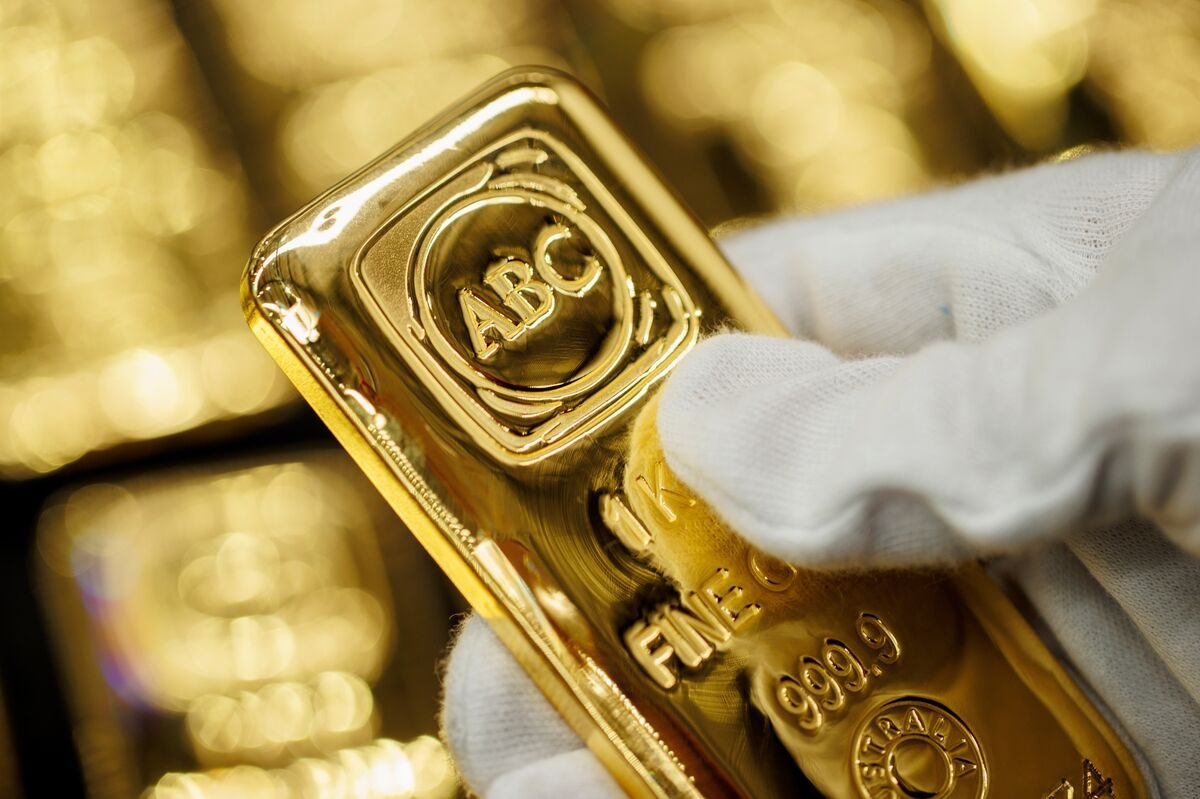
Gold prices extended their decline on Friday, driven by a stronger US dollar and easing concerns about the Federal Reserve's autonomy. This shift came after President Donald Trump publicly downplayed recent tensions with Federal Reserve Chairman Jerome Powell. The renewed confidence in the Fed’s independence helped stabilize investor sentiment and influenced movements in precious metals.
Key Details
- Gold prices declined amid a stronger US dollar.
- President Trump sought to ease market fears by minimizing clashes with Fed Chair Powell.
- The dollar rose as confidence in the Federal Reserve’s independence improved.
- Markets responded positively to the suggestion of a steady monetary policy outlook.
Background
In recent months, President Trump has frequently criticized the Federal Reserve's monetary policies, particularly interest rate hikes led by Chairman Powell. Trump has argued that these policies could hinder economic growth and has suggested a desire for lower rates to support the economy.
The Federal Reserve, however, operates independently from political pressures, aiming to balance inflation control and employment goals. Powell’s commitment to this independence has been a point of focus, especially amid political scrutiny.
Gold, traditionally viewed as a safe-haven asset, often moves inversely to the US dollar and interest rate expectations. When the dollar strengthens or interest rates rise, gold typically faces downward pressure.
Analysis
The recent easing in gold prices aligns with the broader market reaction to Trump’s conciliatory comments regarding his relationship with Powell. By downplaying conflicts and emphasizing respect for the Fed’s role, Trump helped alleviate fears that political interference might destabilize US monetary policy.
This reassurance contributed to a stronger dollar as investors gained confidence that the Federal Reserve would continue to pursue a measured approach to interest rates and inflation management. A robust dollar reduces the appeal of gold, which is priced in dollars and becomes more expensive for holders of other currencies.
Furthermore, the dialogue between the political leadership and the Fed is critical for market stability. While political leaders might voice concerns about monetary policy, the Fed’s independence remains a cornerstone of US economic governance, ensuring that decisions are made based on economic data rather than political expediency.
Investors often watch these dynamics closely, as any indication of political pressure on the Fed can lead to volatility in currency markets and safe-haven assets like gold. The recent move suggests a return to a more stable outlook, benefiting the US dollar and putting downward pressure on gold prices.
Conclusion
Gold’s decline after President Trump’s remarks highlights the interconnectedness of political rhetoric, central bank independence, and financial markets. The dollar’s strength following renewed confidence in the Federal Reserve underscores the importance of clear communication and stable monetary policy frameworks. As long as the Fed maintains its autonomy, markets are likely to favor instruments tied to a strong dollar, potentially limiting gold’s appeal in the near term.