Two Arrested in Alleged Counterfeit Ozempic Scheme, FDA Warns Public
Introduction
Federal prosecutors have brought charges against two individuals, Swapnadip Roy, 33, and Vicky Ramancha, 37, both Indian citizens, in connection with an alleged scheme to import and distribute counterfeit versions of the popular type 2 diabetes medication Ozempic into the United States. The operation, which allegedly sourced fake drugs from China, was uncovered with the assistance of the U.S. Food and Drug Administration (FDA) Office of Criminal Investigations. The charges include federal conspiracy and smuggling, highlighting the growing threat of counterfeit pharmaceuticals infiltrating the U.S. market.
Key Details
- Defendants: Swapnadip Roy (33) and Vicky Ramancha (37), both Indian citizens.
- Charges: Federal conspiracy and smuggling.
- Alleged Scheme: Between July 2023 and April 2024, the defendants are accused of purchasing counterfeit Ozempic from unapproved suppliers in China and reselling it to U.S. distributors at significant discounts.
- Counterfeit Components: The fake products reportedly included phony boxes, pen labels, needles, and package inserts, all designed to mimic the authentic medication.
- FDA Involvement: The FDA first warned the public about counterfeit Ozempic in December 2023 after seizing thousands of units. The indictment alleges the illicit sales continued even after this warning.
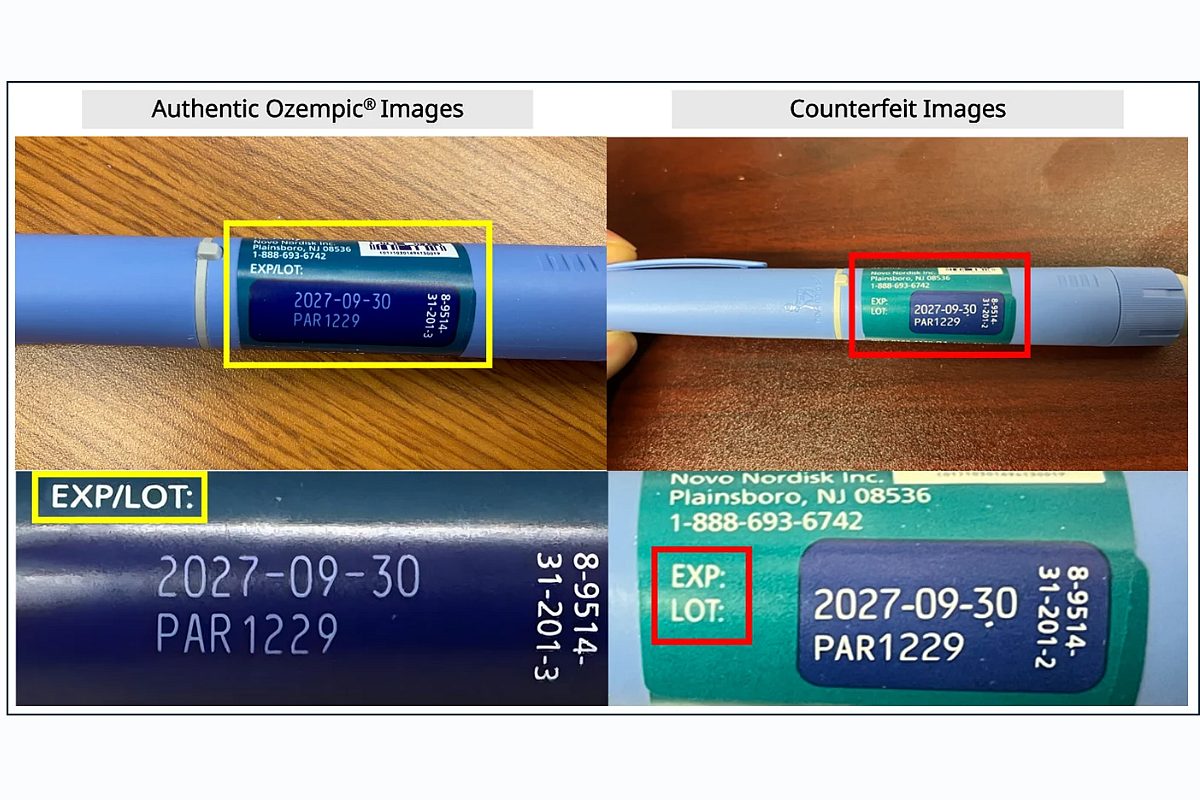
- Specific Warning: A specific counterfeit lot number, PAR1229, was identified in December 2025, which coincidentally matched a real lot number, making detection more challenging.
- Identification Tips: The FDA advises checking the placement of the "EXP/LOT" text relative to the date and lot code on the pen. On fakes, the text is to the left; on genuine pens, it is directly above.
- Reporting: Individuals suspecting counterfeit or unsafe medication should report it to the FDA.
Background
The case underscores a persistent problem in the global pharmaceutical supply chain: the proliferation of counterfeit drugs. Ozempic, manufactured by Novo Nordisk, has become a highly sought-after medication not only for its efficacy in managing type 2 diabetes but also for its off-label use in weight management. This high demand, coupled with potential drug shortages of the genuine product, creates a fertile ground for counterfeiters. The alleged scheme involved sourcing these fake medications from China, a country that has previously been identified as a source of illicit pharmaceuticals. The indictment details a period of operation from July 2023 to April 2024, suggesting a sustained effort to profit from the demand for Ozempic.
Impact Analysis
The distribution of counterfeit medications poses severe risks to public health. Fake drugs may contain incorrect dosages of the active ingredient, harmful contaminants, or no active ingredient at all. In the case of Ozempic, counterfeit pens could lead to unpredictable glycemic control for diabetic patients, potentially causing serious health complications. Furthermore, the use of non-sterile, counterfeit needles introduces a significant risk of infection, including serious bacterial infections and the transmission of blood-borne pathogens. The FDA's warning about the fake PAR1229 lot number, which mimicked a legitimate one, highlights the sophisticated nature of these counterfeiting operations and the difficulty in distinguishing them from genuine products. The steep discounts offered on these fakes could lure unsuspecting distributors and, subsequently, patients, further exacerbating the risk.
The U.S. Food and Drug Administration (FDA) warns that counterfeit medicines may hold the wrong ingredient, too much or too little of the active drug, or none at all. In its 2023 alert, the agency also noted that needles in seized pens were counterfeit, raising the risk of infection due to a lack of confirmed sterility.
Broader Context
This incident is part of a larger global challenge in regulating and securing pharmaceutical supply chains. The World Health Organization estimates that substandard and falsified medical products are a significant problem, particularly in low- and middle-income countries, but they are also found in developed nations. The ease with which counterfeiters can replicate packaging and labeling, especially with modern printing technology, makes it difficult for even regulatory bodies to stay ahead. The involvement of U.S. distributors in the alleged scheme, even if unknowingly, points to potential vulnerabilities within the legitimate distribution network. The FDA's proactive warnings and investigative efforts are crucial in combating this threat, but they rely heavily on public vigilance and reporting.
Future Outlook
The legal proceedings against Roy and Ramancha will be closely watched as they could set precedents for prosecuting similar international counterfeit drug operations. The FDA is likely to intensify its surveillance of the pharmaceutical market, particularly for high-demand drugs like Ozempic. Patients and healthcare providers are urged to remain vigilant, adhere strictly to FDA guidelines for identifying counterfeit medications, and procure medicines only from licensed pharmacies. Enhanced collaboration between international law enforcement agencies and regulatory bodies may be necessary to disrupt these global criminal networks effectively. Public awareness campaigns about the dangers of counterfeit drugs and how to identify them will continue to be a vital tool in protecting public health.
Conclusion
The charges filed against Swapnadip Roy and Vicky Ramancha serve as a stark reminder of the persistent danger posed by counterfeit pharmaceuticals. The alleged scheme to flood the U.S. market with fake Ozempic highlights the sophisticated methods employed by criminals and the potential risks to patients relying on these medications for critical health conditions. The FDA's guidance on identifying suspicious products and the agency's ongoing efforts to intercept these dangerous fakes are essential. However, the ultimate responsibility also lies with consumers and healthcare professionals to be informed, cautious, and to report any suspected counterfeit products to the authorities, thereby contributing to the integrity of the pharmaceutical supply chain and safeguarding public health.
Source: drugs.com