Rwanda's Milk Culture: Health Minister Urges Moderation Amidst Beloved Tradition
Introduction
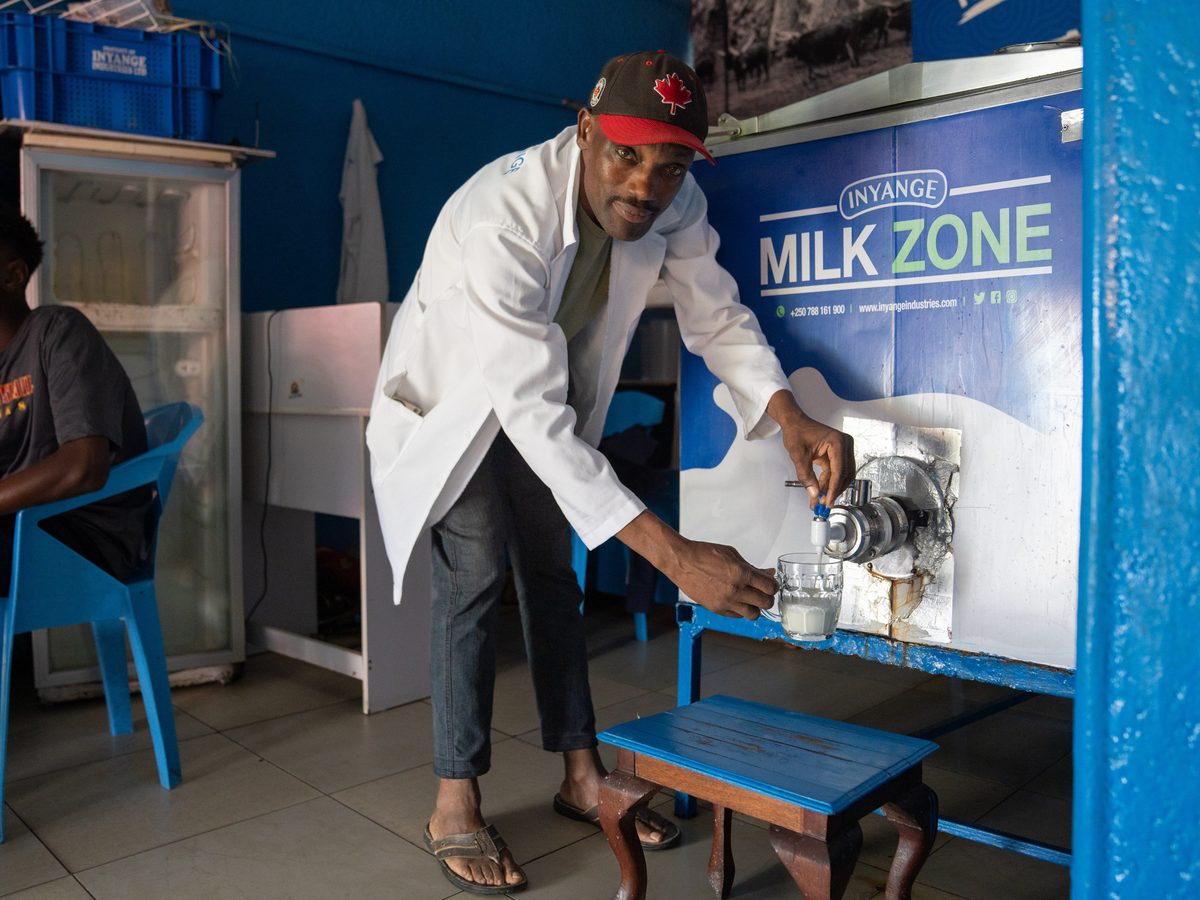
In Rwanda, a unique cultural practice revolves around the humble glass of milk. Milk bars, particularly in the capital city of Kigali, are more than just refreshment stops; they are vibrant social hubs deeply ingrained in daily life. This tradition, born from the necessity of accessing fresh dairy as rural populations migrated to urban centers, has evolved into a beloved ritual. However, this cherished custom is now presenting a complex challenge for the nation's health officials, who are advocating for a shift towards more moderate consumption patterns.
Key Details
- Milk bars are a popular fixture in Kigali, serving pasteurized whole milk, with some offering flavored or low-fat options.
- Culturally, cows are revered in Rwanda, symbolizing wealth and prosperity, with milk consumption holding significant social importance.
- Dr. Sabin Nsanzimana, Rwanda's Health Minister, is leading efforts to encourage reduced milk intake.
- Excessive milk consumption is being linked to an increase in preventable chronic diseases in urban populations.
- The minister recommends a daily intake of roughly one cup of milk, emphasizing increased water consumption instead.
- Communicating this message has proven difficult, with many Rwandans viewing milk as a staple and questioning health advice that suggests limiting it.
Background
The rise of milk bars in Kigali is a direct consequence of urbanization. As Rwandans moved from rural areas, where access to home-raised dairy cows was common, they sought ways to maintain their connection to this vital source of nutrition and cultural identity. The milk bar emerged as a solution, providing readily available, fresh, pasteurized milk. This beverage is not merely a drink; it is steeped in history and reverence. For generations, cows have been the primary measure of wealth and status in Rwandan society. The local saying, “kajirinka,” meaning “may you have a cow,” is a profound blessing, underscoring the animal's central role in prosperity and well-being. This deep-seated cultural significance dictates that milk should be consumed with respect, often while seated, reinforcing its sacred status.
Impact Analysis
While milk is undeniably a source of essential nutrients like calcium and protein, Dr. Nsanzimana points to a growing public health concern: the link between excessive milk consumption and the rise of non-communicable diseases (NCDs) in Rwanda. As lifestyles change with increased urbanization, so too do dietary habits. The minister notes that an overreliance on milk, alongside other factors like reduced physical activity and high alcohol consumption, contributes to conditions such as obesity and cardiovascular disease. “Now we're seeing more people going to hospital for chronic diseases that could have [been] prevented by less milk drinking, less alcohol drinking, [by] exercising,” he stated. This trend poses a significant challenge to the healthcare system, diverting resources towards managing preventable illnesses.
“In [Rwandan] society, they think milk is everything,” says Dr. Sabin Nsanzimana, Rwanda's health minister. “Now we're seeing more people going to hospital for chronic diseases that could have [been] prevented by less milk drinking, less alcohol drinking, [by] exercising.”
Broader Context
The situation in Rwanda mirrors global trends where traditional dietary staples are being re-evaluated in the face of modern health challenges. While developed nations grapple with issues of overconsumption of processed foods and sugary drinks, Rwanda faces a unique intersection of cultural reverence for a traditional food source and the emerging health risks associated with its excessive intake. The minister’s message is not to demonize milk but to promote balance. He emphasizes that “more is not better” and cites studies linking excessive dairy intake to potential adverse health outcomes, including increased mortality risks. The push for increased water consumption is a key component of this public health strategy, aiming to hydrate the population adequately without the potential downsides of too much dairy.
Future Outlook
Shifting deeply ingrained cultural habits is a formidable task. Dr. Nsanzimana acknowledges the communication hurdles, noting with a chuckle that advising his own family against excessive milk consumption is met with skepticism, as if he had “gone into the wrong medicine.” The government's strategy will likely involve sustained public health campaigns, educational initiatives in schools and communities, and potentially working with milk bar owners to offer healthier alternatives or promote mindful consumption. The goal is not to eliminate milk bars but to foster a healthier relationship with milk, integrating it as part of a balanced diet rather than its sole cornerstone. Success will depend on a nuanced approach that respects cultural heritage while prioritizing the long-term health and well-being of the Rwandan population.
Conclusion
Rwanda’s beloved milk bars represent a beautiful fusion of cultural heritage and daily life. Yet, the very tradition that sustains them is now prompting a critical public health conversation. As the nation navigates the complexities of modernization and its associated health impacts, the call for moderation in milk consumption, led by Health Minister Dr. Sabin Nsanzimana, highlights the delicate balance between preserving cultural identity and ensuring a healthier future. The emphasis on increased water intake and a more balanced approach to nutrition signals a proactive step towards mitigating the rising tide of chronic diseases, even as it challenges deeply held traditions.
Source: npr.org