How Artificial Intelligence Is Revolutionizing Acute Respiratory Distress Syndrome Management
Introduction
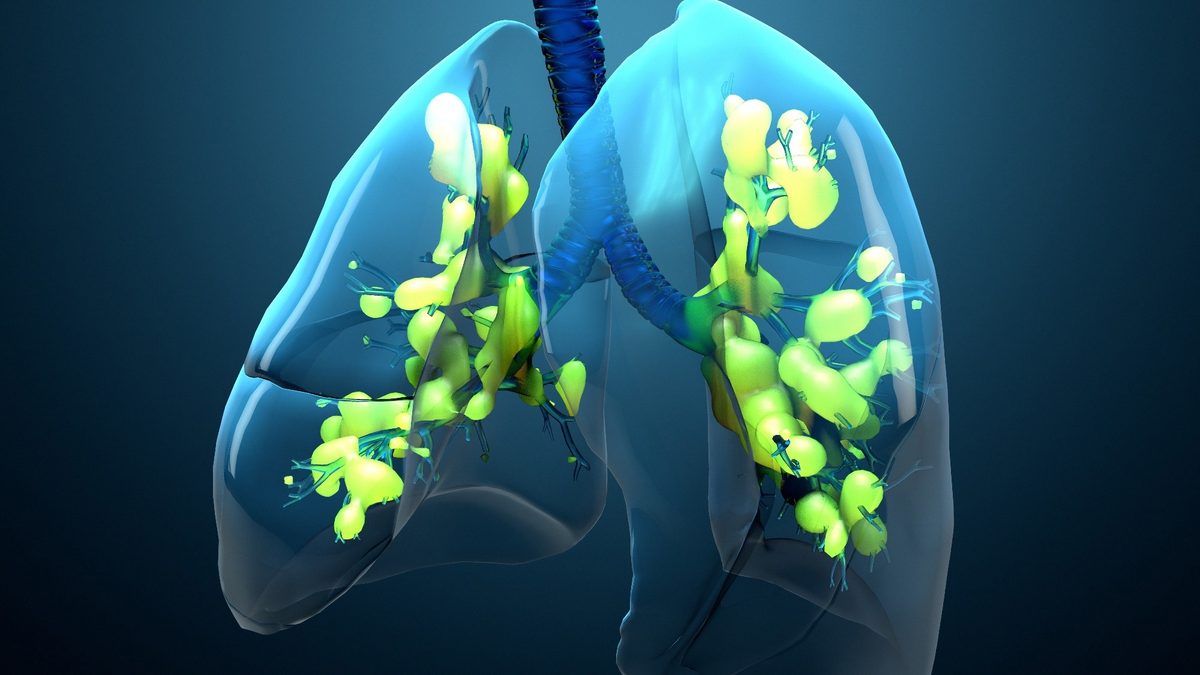
Acute respiratory distress syndrome (ARDS) is a severe lung condition characterized by rapid-onset respiratory failure due to widespread inflammation and fluid buildup in the lungs. It has a high mortality rate and remains a critical challenge in intensive care units globally. Recent advancements in artificial intelligence (AI) and machine learning (ML) are reshaping how clinicians approach ARDS diagnosis, risk prediction, and treatment individualization, offering hope for improved patient outcomes.
Key Details
- Early Detection: AI algorithms analyze complex clinical data and imaging to identify early signs of ARDS before traditional methods.
- Risk Stratification: Machine learning models predict patient trajectories and mortality risk more accurately than conventional scoring systems.
- Personalized Ventilation Strategies: AI helps optimize mechanical ventilation settings tailored to patient-specific lung mechanics and disease progression.
- Therapeutic Guidance: Emerging AI tools assist in selecting targeted therapies, including drug dosing and adjunctive treatments.
- Challenges: Despite promising results, widespread clinical integration requires rigorous validation, interoperability with electronic health records, and clinician training.
Background
ARDS affects approximately 10% of patients in intensive care units, with mortality rates ranging from 30% to 45%. Diagnosis relies on clinical criteria that can be subjective and delayed, while treatment mainly involves supportive care such as mechanical ventilation and managing underlying causes. Variability in patient response and disease heterogeneity complicate treatment decisions. Traditional scoring systems like the APACHE II and SOFA scores provide general risk assessments but lack individualized precision.
Artificial intelligence and machine learning have shown potential to overcome these limitations by processing vast amounts of patient data—including vital signs, laboratory results, imaging, and ventilator parameters—in real time. Advanced algorithms can detect subtle patterns invisible to human clinicians, enabling earlier recognition of ARDS onset and more accurate prognosis.
Analysis
Several recent studies demonstrate the promise of AI in ARDS management. For example, deep learning models analyzing chest X-rays and electronic health records have achieved earlier and more reliable ARDS diagnosis. Predictive models using ML can stratify patients by predicted survival and ventilator dependency, guiding more nuanced clinical decisions.
AI-driven ventilation strategies optimize tidal volumes and positive end-expiratory pressure (PEEP) to minimize ventilator-induced lung injury. Tailored therapies informed by AI risk assessments could improve efficacy and reduce complications. However, these technologies face hurdles such as limited prospective validation, the need for diverse and representative datasets, and integration challenges with existing hospital IT infrastructure.
Ethical considerations also emerge, including transparency in AI decision-making and ensuring that algorithms do not perpetuate biases. Clinician acceptance is critical, requiring explainable AI models and training to build trust. Regulatory frameworks for AI-based medical devices are still evolving, influencing the pace of clinical adoption.
Conclusion
Artificial intelligence holds transformative potential for managing ARDS by enabling timely diagnosis, precise risk stratification, and personalized treatment. While promising, the translation of AI innovations into routine clinical practice demands systematic validation, interdisciplinary collaboration, and robust infrastructure. Continued research and development, along with thoughtful deployment, may ultimately reduce ARDS mortality and improve quality of care for critically ill patients.