Ancient Gut Microbes Traveled with Humans Globally, Study Reveals
Introduction
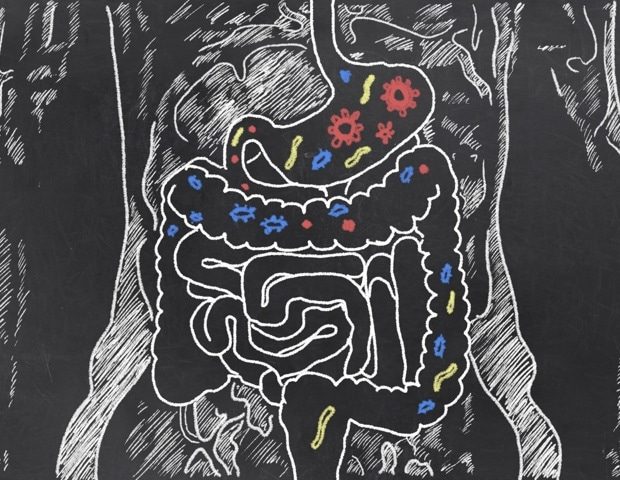
As early humans embarked on their epic journey out of Africa and across the globe tens of thousands of years ago, they weren't alone. Trillions of microscopic organisms, collectively known as the gut microbiome, hitched a ride, becoming integral companions to our species. These bacteria, viruses, and fungi residing in our intestines are not mere passengers; they perform critical functions, aiding in the digestion of tough foods, synthesizing essential vitamins, and crucially, training our immune systems. The microbiome has recently surged to the forefront of scientific inquiry, with mounting evidence suggesting that modern lifestyles profoundly alter its composition, with significant consequences for our health.
Key Details
- A new study published in Nature reveals that many gut microbes have co-evolved with humans for millennia, migrating out of Africa with ancient ancestors.
- Researchers compared the microbiomes of the Hadza (Tanzania) and Tsimane (Bolivian Amazon), two indigenous groups with limited exposure to industrialization.
- A significant overlap of over 1,200 bacterial species was found between the Hadza and Tsimane, with nearly 90% present in the Tsimane.
- Approximately 60% of these shared species are rare or absent in industrialized populations.
- Genomic analysis suggests that the divergence of many shared microbial species aligns with major prehistoric human migration timelines.
- The study was led by Stanford University researchers and funded by multiple institutions including Open Philanthropy and the National Institutes of Health.
Background
The connection between the microbiome and health has become a central theme in medical research. Studies have highlighted a stark contrast: individuals in industrialized nations exhibit a marked reduction in microbiome diversity compared to those with non-industrialized lifestyles. This loss of microbial diversity has been tentatively linked to a rise in autoimmune diseases, Type 2 diabetes, obesity, and other chronic conditions that are far less prevalent in traditionally living populations. The pivotal, yet still unanswered, question remains whether this decline in microbial richness actively contributes to the development of these modern ailments.
To address this, a team led by researchers at Stanford University undertook a pioneering study to investigate the historical composition of the human gut microbiome. Their goal was to determine if Homo sapiens harbored a characteristic and diverse microbial community stretching back millennia. Understanding which, if any, of these ancient microbial residents co-evolved with us could provide vital clues for investigating how the loss of microbial diversity through industrialization impacts human biology.
Impact Analysis
The study employed deep metagenomic sequencing to meticulously analyze the gut microbiomes of the Hadza of Tanzania and the Tsimane of the Bolivian Amazon. These groups were chosen for their relatively limited exposure to industrialized lifestyles. Despite being separated by tens of thousands of years and vastly different environments, the researchers discovered a remarkable overlap in their gut microbial communities, sharing over 1,200 bacterial species. Crucially, nearly 90% of these species were found in the Tsimane, who host a particularly diverse microbiome, with approximately 60% of these shared species being rare or entirely absent in individuals from industrialized societies.
“Our study establishes that the hundreds of bacterial species that are rare or missing in industrialized microbiomes were ancient companions of ours as we migrated around the globe, likely passed from generation to generation for millennia. This long-term association has implications for how such recent biodiversity loss in our microbiome may impact our biology and thus our health.”
Further genomic analysis, utilizing techniques that account for microbial evolution and DNA exchange, provided compelling evidence. The estimated divergence times for many of these shared bacterial species closely matched the timelines of major prehistoric human migrations out of Africa and into new continents. This suggests that these microbial lineages have been intimately associated with humans for an immense period, traversing continents alongside our ancestors.
Broader Context
The findings place the current epidemic of microbiome loss into a much larger evolutionary context. For tens of thousands of years, humans appear to have co-evolved with a rich and diverse set of gut microbes. The rapid shift away from this ancestral state, driven by factors such as antibiotic use, adoption of Westernized diets high in processed foods and low in fiber, and increasingly sanitized living environments, has occurred over mere generations. This dramatic alteration of our internal ecosystem raises concerns about potential mismatches between our anciently adapted biology and our modern environment. The hypothesis is that our human genomes may be less compatible with the drastically simplified microbiomes of industrialized societies, potentially contributing to the prevalence of chronic diseases.
Future Outlook
The Stanford team plans to delve deeper into the evolutionary history of the microbiome and its intricate relationship with human health. The implications of these findings are profound: if a significant portion of our ancestral microbial partners have been lost due to recent lifestyle changes, it suggests that modern humans may be missing crucial biological functions that were once supported by these ancient microbes. Future research will likely focus on identifying specific lost microbial functions and exploring potential therapeutic strategies, perhaps involving the reintroduction of beneficial ancient microbes, to restore microbial diversity and mitigate the health consequences of its loss. Understanding these long-standing human-microbe relationships is key to unlocking new avenues for promoting well-being in the modern world.
Conclusion
This landmark study provides compelling evidence that our gut microbiomes are not simply a reflection of our immediate environment but carry a deep evolutionary legacy. The microbes that accompanied humans on their global migrations thousands of years ago are still present in non-industrialized populations today, though increasingly scarce in the West. The dramatic loss of these ancient microbial companions due to modern lifestyles presents a significant challenge to human health, underscoring the need for further research into the long-term consequences of microbiome disruption and potential strategies for its restoration.
Source: news-medical.net