The Surprising Impact of Isometric Exercises: How Wall Squats Transform Fitness
Introduction
In the evolving world of fitness, where dynamic and high-intensity workouts often dominate the spotlight, isometric exercises are quietly gaining recognition for their unique benefits. Among these, wall squats stand out as a simple yet potent method to build muscular strength and endurance without the joint stress that often accompanies traditional exercises. Grace Wade's recent exploration into the advantages of wall squats sheds light on why these static exercises deserve a place in everyone’s routine.
Key Details
- Definition: Isometric exercises involve muscle engagement without changing the muscle length or joint angle.
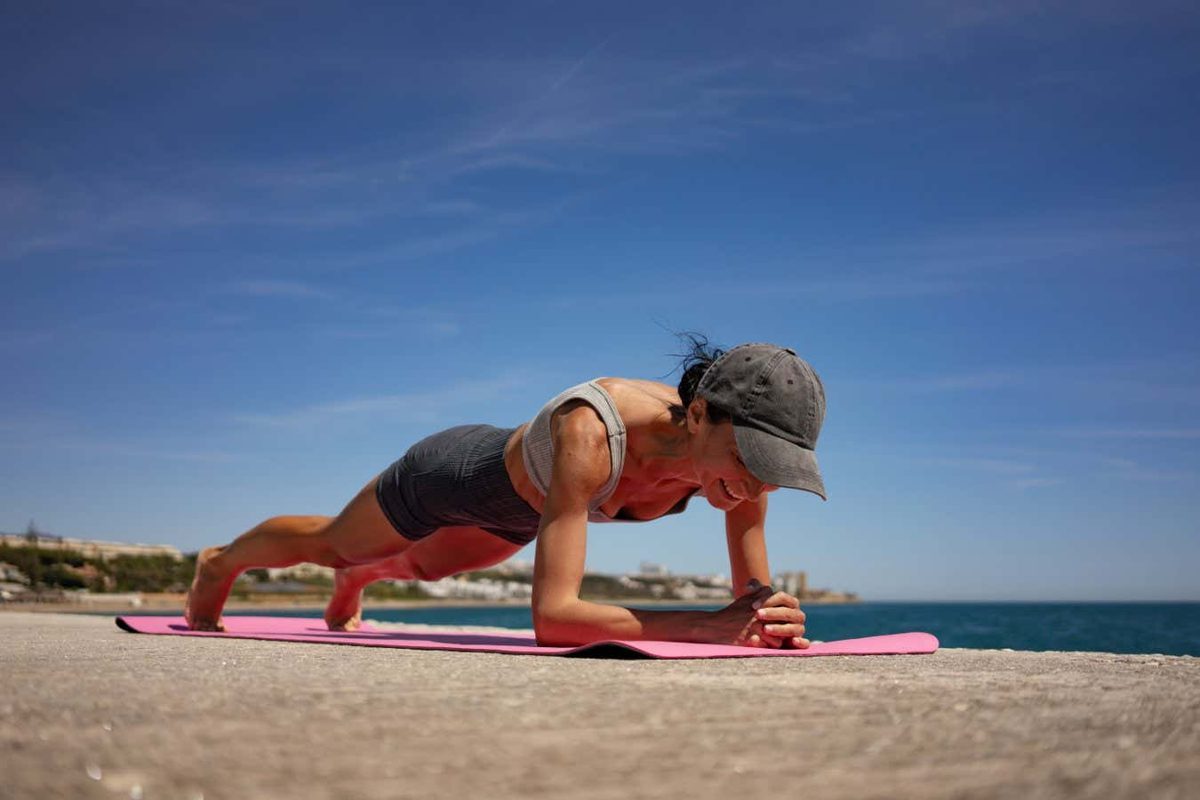
- Popular Examples: Wall squats, planks, and static holds.
- Primary Benefits: Strengthening muscles, improving endurance, enhancing joint stability.
- Low Risk: Reduced risk of injury due to minimal joint movement.
- Accessibility: Suitable for beginners, older adults, and those rehabilitating injuries.
Background
Isometric training is not a novel concept; it has been utilized historically in physical therapy and strength conditioning. However, its integration into mainstream fitness has been relatively limited compared to dynamic workouts. Unlike traditional exercises that involve repetitive movement, isometric exercises focus on maintaining a static position that requires sustained muscle tension. Wall squats, for example, engage the quadriceps, glutes, and core by holding a seated position against a wall, mimicking the downward phase of a squat without movement. This technique allows practitioners to build strength and stability efficiently.
Traditionally, fitness enthusiasts have emphasized dynamic movements to improve cardiovascular health, agility, and muscular power. Yet, emerging research highlights that isometrics can complement these goals by enhancing muscle endurance and joint health, especially beneficial for populations who may struggle with high-impact activities.
Analysis
The increasing popularity of isometric exercises like wall squats can be attributed to several factors. First, these exercises require no special equipment and can be performed virtually anywhere, making them accessible to a wide audience. Second, because they place less mechanical strain on joints, they are ideal for individuals managing arthritis, recovering from injuries, or seeking low-impact workouts.
Scientific studies have demonstrated that isometric training can lead to significant strength gains. For example, research indicates improvements in muscle activation and endurance when isometric holds are incorporated regularly. Additionally, isometrics may enhance neuromuscular coordination, aiding balance and reducing fall risk, particularly in older adults.
Moreover, wall squats target multiple muscle groups simultaneously, contributing to functional strength that supports daily activities such as climbing stairs or standing up from a seated position. This functional aspect is crucial for maintaining independence and quality of life as people age.
Despite these benefits, isometric workouts are often underrepresented in fitness programs, possibly due to misconceptions that lack of movement equates to lesser effectiveness. However, when combined with dynamic exercises, isometric holds can enrich a fitness regimen by promoting muscle endurance and joint stability.
Conclusion
Isometric exercises, with wall squats as a prime example, offer a valuable addition to traditional fitness routines. Their low-impact nature, combined with the ability to build strength and endurance efficiently, makes them suitable for diverse populations. As awareness grows, fitness professionals and enthusiasts alike are recognizing the potential of static holds to complement dynamic workouts, contributing to holistic physical health. For those seeking a balanced approach to fitness, incorporating wall squats and other isometric exercises could be a transformative step toward enhanced muscular performance and long-term wellness.