Groundbreaking Discovery: Snow Leopard Cubs Photographed in Mongolia's Rare Dens
Groundbreaking Discovery: Snow Leopard Cubs Photographed in Mongolia's Rare Dens
Introduction
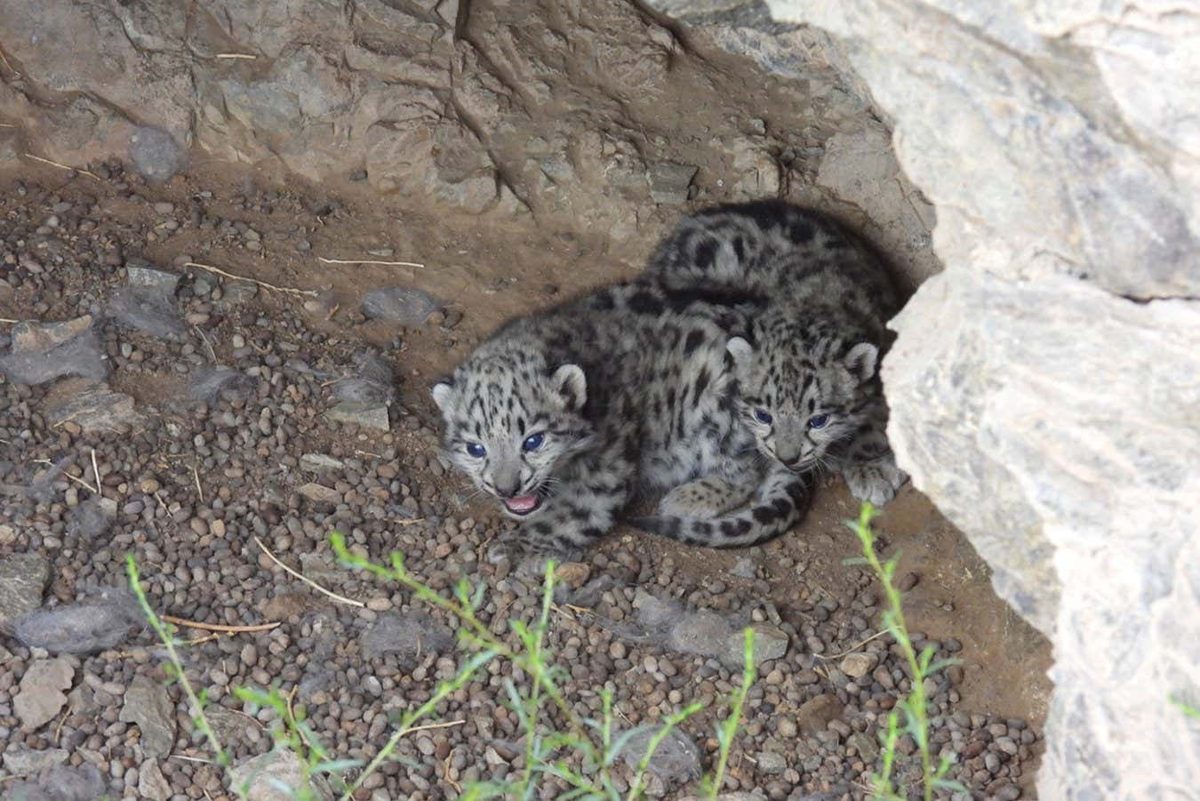
The snow leopard, an elusive and magnificent creature of the high mountains, has once again piqued the interest of wildlife enthusiasts and conservationists alike. In a remarkable turn of events, researchers have successfully captured photographs of snow leopard cubs in their natural dens in Mongolia, a feat not achieved since 2019. This development not only provides a rare glimpse into the lives of these endangered animals but also emphasizes the importance of ongoing conservation efforts in the region.
Key Details
- Photographs taken by researchers document the first sighting of snow leopard cubs in their dens since 2019.
- The snow leopard's habitat is primarily in the mountainous regions of Central and South Asia, with Mongolia being a critical area for their survival.
- This discovery comes as conservationists face challenges in protecting the species from poaching and habitat loss.
- Researchers emphasize that documenting the cubs' behavior and development is crucial for understanding their needs and enhancing conservation strategies.
- The snow leopard is classified as 'Vulnerable' on the IUCN Red List, making such sightings vital for future conservation planning.
Background
Snow leopards, known scientifically as Panthera uncia, inhabit the rugged mountain ranges of Central Asia. These stunning creatures are adapted to their cold, harsh environments, characterized by thick fur, long tails, and large paws that act like snowshoes. However, their survival is threatened by various factors, including poaching, habitat destruction, and climate change. Conservation efforts have been ramped up in recent years, focusing on habitat preservation and community engagement to mitigate human-wildlife conflict.
The research team that captured the recent photographs is part of a broader initiative aimed at monitoring snow leopard populations in Mongolia. Their work involves the use of camera traps and field surveys to gather data on these elusive animals. The last significant documentation of snow leopard cubs in their dens was in 2019, making this new discovery crucial for understanding the current state of the population.
Analysis
The significance of photographing snow leopard cubs cannot be overstated. Snow leopards play a crucial role in their ecosystem, acting as apex predators that help maintain the balance of their mountainous habitats. The ability to study cubs in their dens offers researchers valuable insights into their early development, social structures, and survival strategies.
Moreover, such findings serve to raise awareness about the threats faced by these magnificent animals. With the snow leopard population declining due to poaching and habitat loss, it is vital for conservationists to leverage these images and stories to advocate for stronger protections. By highlighting the beauty and vulnerability of snow leopards, there is potential to foster greater public support for conservation initiatives.
Additionally, the collaboration between local communities and conservation organizations has been paramount in these efforts. Engaging local populations in conservation strategies not only helps protect wildlife but also encourages sustainable practices that benefit both people and nature. The snow leopard, as a symbol of biodiversity, can unite various stakeholders in the fight against environmental degradation.
Conclusion
The recent photographs of snow leopard cubs in Mongolia's dens represent a beacon of hope for conservationists and wildlife enthusiasts. As we continue to learn more about these elusive creatures and their habitats, it is essential to advocate for their protection. The beauty of snow leopards lies not only in their majestic appearance but also in their critical role within their ecosystem. As we celebrate this momentous occasion, we must also recognize the ongoing challenges they face and commit to supporting efforts that ensure their survival for generations to come.