Revolutionizing Earthquake Safety: How Billions of Smartphones Serve as a Global Early Warning Network
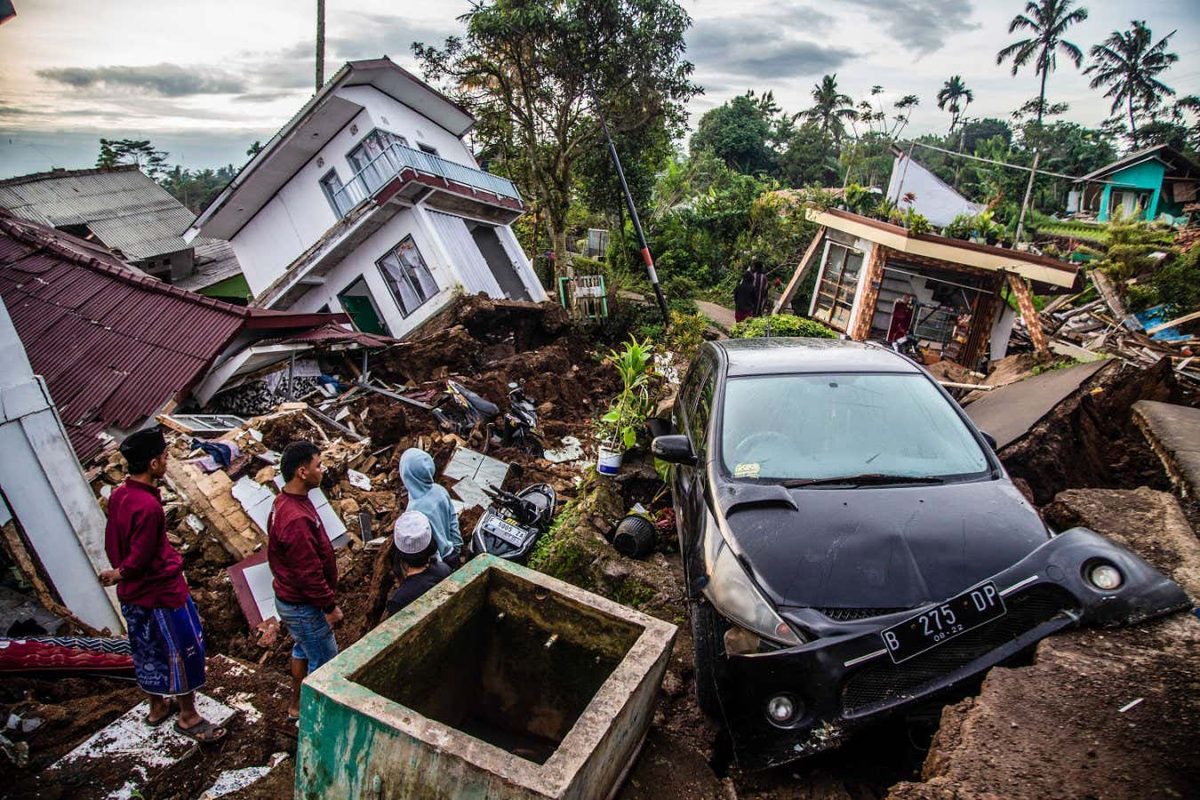
Revolutionizing Earthquake Safety: How Billions of Smartphones Serve as a Global Early Warning Network
Introduction
Earthquakes strike suddenly and without warning, often leaving devastation in their wake. Traditional earthquake early-warning systems rely on dedicated seismic stations and expensive infrastructure, which can be limited by geography and cost. However, Google’s Android Earthquake Alerts program is pioneering an innovative approach: utilizing the vast network of billions of smartphones globally as a distributed seismic detection system. This program leverages the accelerometers embedded in phones to identify seismic shaking and send alerts to users in affected areas, offering a scalable, cost-effective solution for earthquake early warning.
Key Details
- Global Scale: Over two billion active Android devices worldwide contribute sensor data.
- Detection Mechanism: Smartphones’ built-in accelerometers detect seismic vibrations and share anonymized data with Google servers.
- Speed and Accuracy: By aggregating data from multiple devices, the system confirms earthquakes quickly, often faster than traditional networks.
- Alert Delivery: Users in areas at risk receive notifications on their devices seconds before significant shaking arrives, allowing critical seconds to take protective action.
- Global Reach and Expansion: Initially launched in select earthquake-prone regions, the program is expanding to cover more countries and languages.
Background
Early-warning systems for earthquakes have existed for decades but are typically expensive and limited to regions with substantial seismic infrastructure, such as Japan, Mexico, and California. These systems use networks of seismometers to detect initial seismic waves, then send alerts before the more damaging secondary waves arrive. However, many parts of the world remain vulnerable due to lack of coverage.
Google’s initiative began in 2020, when the company integrated earthquake detection algorithms into Android devices’ operating system, effectively turning smartphones into a vast, decentralized seismic sensor array. Each phone continuously monitors its accelerometer data, and if abnormal shaking patterns consistent with an earthquake are detected, it transmits anonymous information to Google’s servers. When multiple phones in a region report shaking simultaneously, the system analyzes this to confirm an earthquake and issue alerts through the Android Earthquake Alerts System.
Analysis
This approach represents a paradigm shift in earthquake early-warning technology. By decentralizing seismic detection and utilizing existing consumer devices, the program bypasses the need for costly infrastructure, making early warning accessible to regions previously underserved. The massive scale of data collection enhances detection precision and reduces false alarms, as the system corroborates signals from many sources.
Moreover, the immediacy of mobile alerts distributed directly to users can save lives and reduce injuries by giving people crucial seconds to "drop, cover, and hold on" before intense shaking starts. This can also trigger automated safety measures in critical facilities such as hospitals, factories, and public transit systems.
Challenges remain, such as ensuring consistent user participation, managing false positives from phone movements unrelated to earthquakes, and expanding coverage to iOS users or regions with fewer smartphones. However, the Android Earthquake Alerts program is a significant step toward democratizing earthquake preparedness globally.
Conclusion
Google’s Android Earthquake Alerts program is transforming earthquake early warning by turning billions of smartphones into a distributed seismic detection network. This innovative system improves the speed and reach of earthquake alerts, especially in underserved regions. As the technology expands, it holds promise to enhance public safety worldwide by providing timely warnings that empower individuals and communities to take life-saving actions before disaster strikes.