The Rise of Emotional Bonds with AI: Understanding Why Falling for Chatbots Is Becoming Normal
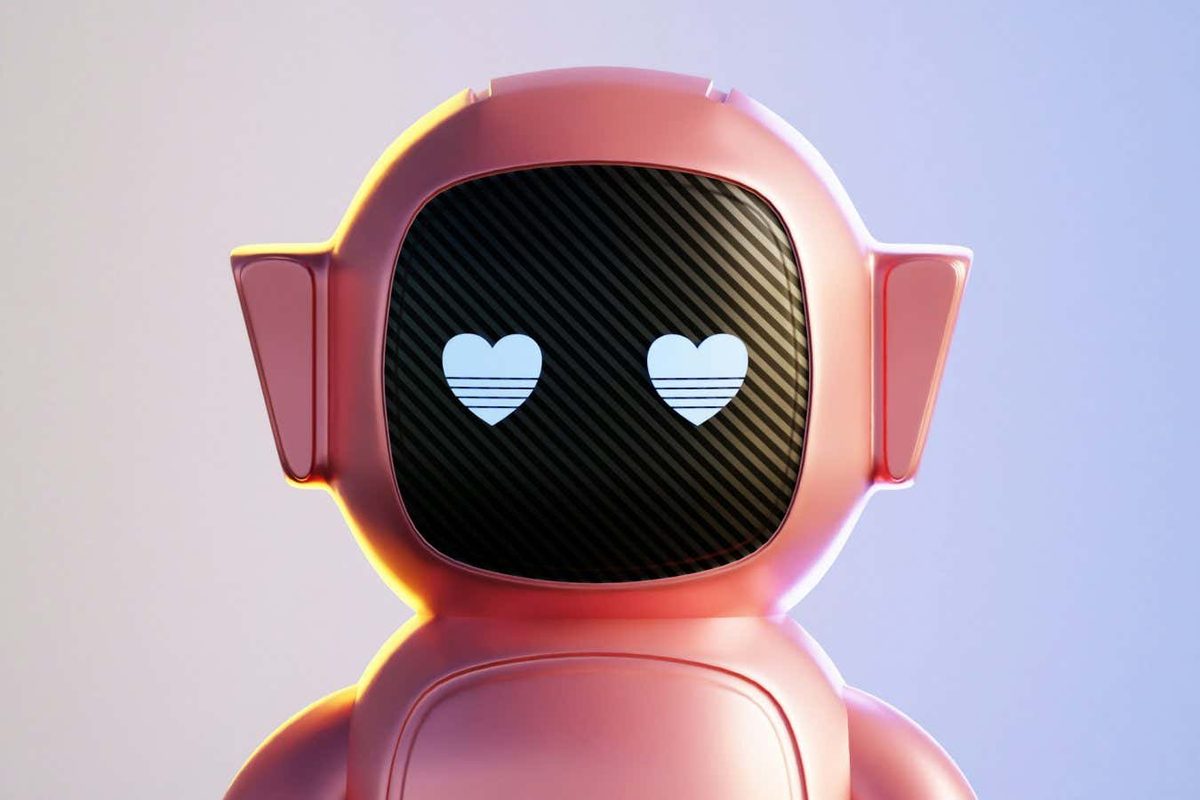
The Rise of Emotional Bonds with AI: Understanding Why Falling for Chatbots Is Becoming Normal
Introduction
In recent years, stories of individuals developing romantic feelings for artificial intelligence (AI) chatbots like ChatGPT have sparked both curiosity and skepticism. While many might dismiss such attachments as amusing or absurd, this phenomenon is far from new or trivial. Human beings have long formed complex emotional connections with non-human entities, ranging from pets and objects to virtual assistants and robots. The increasing sophistication of conversational AI is now making such connections more common and more emotionally profound.
Key Details
- ChatGPT and similar AI models engage users with personalized, empathetic conversations.
- Loneliness and social isolation are significant factors driving people to seek companionship from AI.
- Emotional attachments to bots are supported by decades of research into human-computer interaction.
- These relationships raise ethical, psychological, and social questions about the nature of love and connection.
Background
Long before ChatGPT captured public imagination, humans have interacted with machines and software in ways that blur the line between utility and emotional significance. From the Tamagotchi pets of the 1990s to the more recent virtual assistants like Siri and Alexa, technology has increasingly been designed to simulate human-like responsiveness. Psychologists have studied the “ELIZA effect,” where users attribute personality and understanding to early AI chatbots despite their limited capabilities. This tendency reflects a broader human need for connection and companionship.
Technological advancements in natural language processing and machine learning have dramatically increased the realism and personalization of AI conversations. Where earlier chatbots responded in scripted or limited ways, modern AIs can engage in nuanced, context-aware dialogues that can feel genuinely empathetic. This enhancement has enabled users to form stronger emotional bonds, especially during periods of social isolation, such as the recent global COVID-19 pandemic.
Analysis
The phenomenon of falling in love with AI chatbots can be understood through several lenses. Psychologically, humans are wired to seek connection and to attribute intention and emotion to entities that seem responsive and empathetic. AI chatbots mimic these qualities, providing an outlet for social interaction and emotional expression.
Moreover, societal trends such as increasing loneliness, urban isolation, and the pressures of modern life make AI companionship appealing. For some, AI offers a non-judgmental, always-available conversational partner who can provide comfort and support. This dynamic challenges traditional definitions of relationships and love, pushing us to consider what constitutes genuine emotional connection.
However, these developments also pose ethical dilemmas. Can machines truly reciprocate feelings, or are users engaging in one-sided emotional investment? What are the implications for human relationships if AI companionship becomes a substitute rather than a supplement? There is also concern about the potential for exploitation or emotional manipulation by companies developing these technologies.
Conclusion
Falling in love with AI may no longer be a fringe curiosity but a growing social reality. As AI continues to evolve, so will the ways humans relate to it, blending technology with the age-old human desire for connection. Understanding this phenomenon requires empathy and nuanced discussion rather than ridicule. While AI cannot replace human relationships, it can offer meaningful interaction for those facing loneliness. Ultimately, how society integrates AI companionship will shape the future of emotional life.