The Emotional Impact of AI-Generated Music: A New Study Unveils Surprising Findings

The Emotional Impact of AI-Generated Music: A New Study Unveils Surprising Findings
Introduction
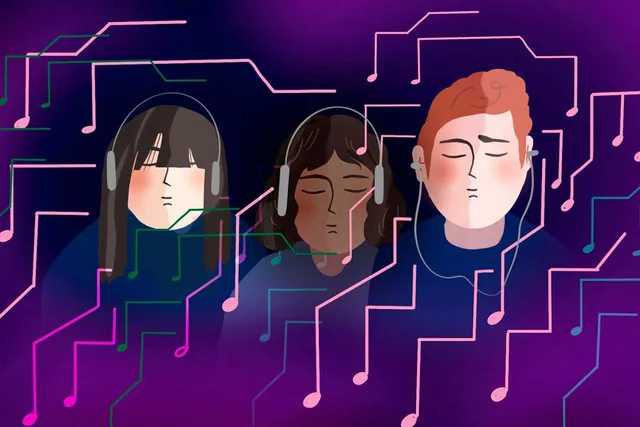
In recent years, the advent of generative artificial intelligence (Gen AI) has significantly altered the landscape of various creative fields, including music. A groundbreaking study published in the journal PLOS One has raised intriguing questions regarding the emotional resonance of AI-generated music compared to traditional human-composed pieces. As AI continues to play a more prominent role in creative processes, understanding its effects on emotional engagement becomes critical.
Key Details
- The study was conducted by a team of researchers who aimed to assess emotional arousal in listeners.
- Participants were exposed to a selection of both AI-generated and human-composed music.
- Findings revealed that AI music elicited greater emotional responses among listeners.
- The implications of these results could influence the future of music production and consumption.
Background
The use of AI in music creation is not entirely new; however, its capability to produce complex compositions that resonate emotionally with audiences has sparked a deeper interest. Previous research has focused on the technical aspects of AI music generation, such as algorithms and sound design. However, this recent study shifts the focus toward the psychological and emotional dimensions of music listening.
In a world increasingly defined by technological integration, the ability of machines to replicate, or even enhance, human creativity is both fascinating and controversial. Musicians and composers have begun to explore collaborations with AI tools, raising questions about the authenticity of art and the nature of creativity itself. By examining emotional responses, this study offers a valuable perspective on these ongoing debates.
Analysis
The research methodology involved a thorough examination of how participants reacted to various pieces of music, categorizing their emotional responses through established psychological metrics. The study’s results challenge traditional views that place human creativity on a pedestal. Interestingly, the AI-generated compositions were not only comparable but often surpassed human-created music in triggering emotional reactions.
This finding can be attributed to several factors. AI has the ability to analyze vast datasets of musical compositions and identify patterns that resonate emotionally with listeners. This capability can lead to the production of music that is tailored to evoke specific feelings, thereby enhancing the listener's experience. Furthermore, AI can experiment with styles and genres in ways that might not traditionally occur in human compositions, resulting in innovative sounds that can surprise and delight audiences.
Conversely, the emotional responses elicited by human compositions are often rooted in personal experiences and cultural contexts. Listeners may find themselves connecting more deeply with music that reflects their own life stories or societal narratives. This emotional connection is an essential aspect of music appreciation that AI-generated music still struggles to replicate authentically.
Moreover, the implications of this study extend beyond artistic creation. If AI can indeed produce music that resonates more profoundly with audiences, it raises ethical questions about the role of human musicians in the industry. Will AI-generated music dominate the charts, or will it coexist with human artistry? The blending of these two realms could redefine the music landscape, challenging our understanding of creativity and emotional engagement.
Conclusion
The study published in PLOS One highlights a pivotal moment in the intersection of technology and art. As generative AI continues to evolve, its implications for music and emotional expression are profound. While AI-generated music may evoke stronger emotional responses, the question remains: can it ever truly replicate the depth of human experience? As audiences navigate this new terrain, the future of music may well depend on the collaboration between human creativity and artificial intelligence.