Pink Floppy Disc and The Bitles: Pioneers at the Crossroads of AI and Indie Rock Music
Introduction
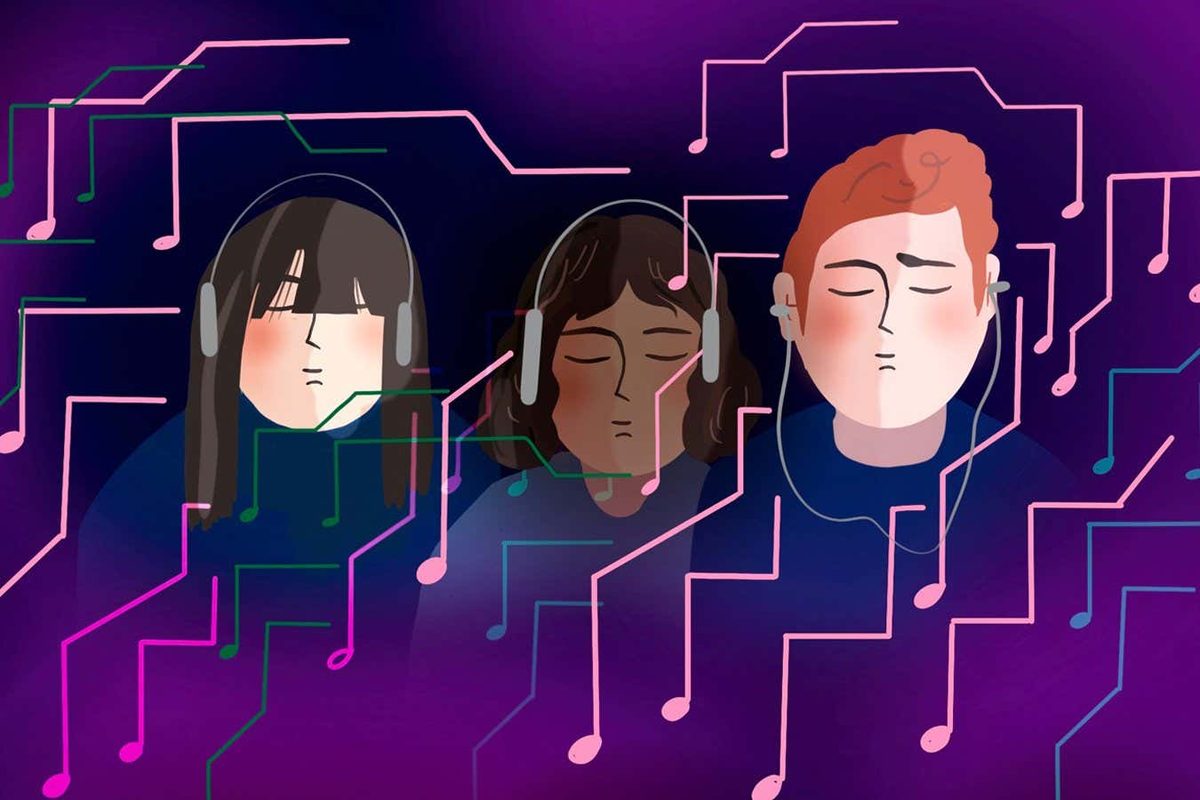
In recent years, the intertwining of artificial intelligence (AI) with music creation has transformed from a speculative concept into a rapidly evolving reality. The indie rock scene, known for its emphasis on authenticity and organic sound, is now witnessing a new wave of experimentation involving AI technologies. One such band at the forefront of this movement is Pink Floppy Disc and The Bitles, a group that has sparked considerable discussion by exploring AI-generated music within their creative process.
Key Details
- Pink Floppy Disc and The Bitles are an indie rock band gaining attention for integrating AI into music production.
- The band’s recent releases blur the line between human and AI-generated content, challenging traditional notions of authorship.
- Feedback from fans and critics oscillates between skepticism and excitement, reflecting broader cultural debates about AI in the arts.
- The band has publicly embraced AI as a tool for innovation rather than a threat to artistic integrity.
Background
Artificial intelligence has permeated multiple aspects of the music industry, from algorithm-driven recommendations to automated mastering. More recently, AI systems capable of composing melodies, writing lyrics, and producing full tracks have emerged, pushing the boundaries of creative collaboration. While pop and electronic genres have been early adopters of such technology, indie rock—a genre deeply rooted in authentic, often raw artistic expression—has been more cautious.
Pink Floppy Disc and The Bitles are notable for challenging this hesitation. Their experimentation with AI-generated components in their music has raised questions about the evolving role of musicianship. Is AI simply a new instrument or software that artists can use, or does it fundamentally alter the creative process and ownership?
Analysis
The band's decision to embrace AI-generated music aligns with a growing trend towards hybrid creativity, where human intuition and machine learning collaborate. This approach can expand artistic possibilities, allowing musicians to explore ideas they might not conceive alone. However, it also raises complex questions about authenticity and emotional connection in music. Indie rock, with its emphasis on personal storytelling and emotional resonance, presents a unique testing ground for AI integration.
Critics argue that overreliance on AI risks diluting the unique human experiences that music conveys, potentially making songs feel mechanical or generic. Supporters contend that AI is simply another tool that, when guided by human creativity, can produce innovative and meaningful art. Pink Floppy Disc and The Bitles’ work exemplifies this debate, as their music maintains indie rock’s characteristic feel while incorporating AI-driven elements.
Moreover, the band's public acknowledgment and transparent use of AI challenge the stigma around AI-generated art. They invite fans to reconsider what constitutes creativity and originality in a digital age. This openness may encourage other indie artists to experiment without fear of alienating their audience.
Conclusion
Pink Floppy Disc and The Bitles stand as pioneers at the intersection of music and technology, demonstrating that AI can be embraced as a creative partner rather than an adversary. Their approach highlights the evolving nature of artistry in the 21st century, where human emotion and machine intelligence converge. As AI continues to advance, the music industry—and indie rock in particular—may witness further transformations, prompting ongoing reflection about the meaning and future of musical creativity.