Inhaled Insulin Emerges as Promising Needle-Free Breakthrough for Pediatric Type 1 Diabetes Management
Inhaled Insulin Emerges as Promising Needle-Free Breakthrough for Pediatric Type 1 Diabetes Management
Introduction
A groundbreaking advancement in diabetes care may soon transform the daily lives of children living with type 1 diabetes. Inhaled insulin, long explored as an alternative to traditional injections, has demonstrated significant efficacy in managing blood glucose levels in pediatric patients. This non-invasive method presents a promising solution to one of the most persistent challenges in diabetes treatment: the psychological and physical burden of daily insulin injections. As clinical studies continue to validate its safety and effectiveness, inhaled insulin could soon become a mainstream option, offering children greater freedom, comfort, and adherence to treatment regimens.
Key Details
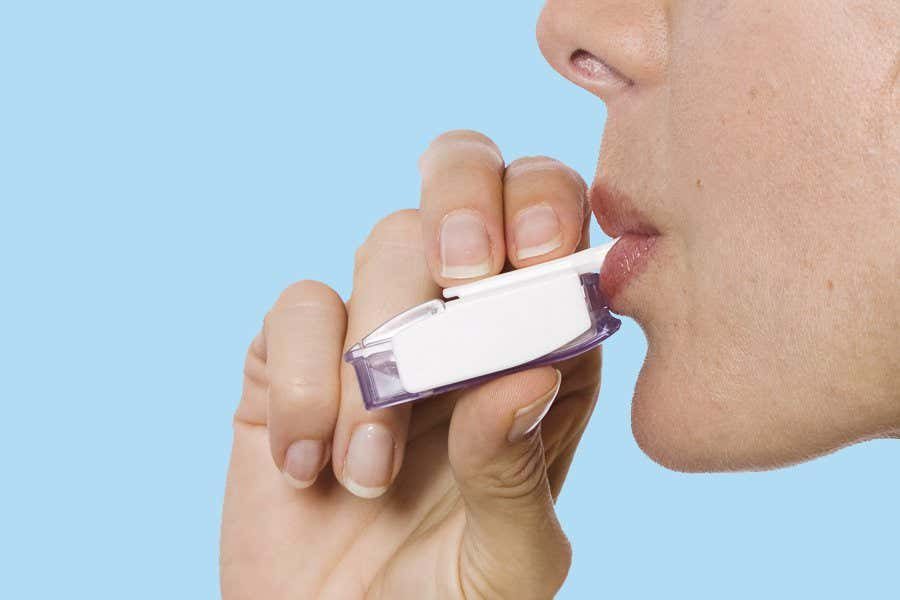
- Non-invasive delivery: Inhaled insulin is administered via a handheld inhaler, eliminating the need for subcutaneous injections.
- Rapid absorption: The insulin is absorbed through the lungs, entering the bloodstream faster than many injected rapid-acting analogs.
- Effective glucose control: Clinical trials show comparable or improved glycemic control to traditional insulin injections in children aged 8 and older.
- Improved patient compliance: Children report higher satisfaction and willingness to adhere to treatment when using inhaled insulin.
- Approved formulations: Afrezza, a fast-acting inhaled insulin, is currently approved in the U.S. for adults and is under expanded investigation for pediatric use.
Background
Type 1 diabetes, an autoimmune condition typically diagnosed in childhood, requires lifelong insulin therapy. For decades, patients have relied on multiple daily injections or insulin pumps to maintain healthy blood sugar levels. While effective, these methods can be painful, inconvenient, and stigmatizing—particularly for young patients navigating school, social settings, and emotional development. The psychological toll of needle anxiety and treatment fatigue contributes to poor adherence, increasing the risk of long-term complications such as neuropathy, retinopathy, and cardiovascular disease.
The concept of inhaled insulin dates back to the early 2000s, with Exubera—the first inhaled insulin product—approved by the FDA in 2006. However, due to concerns over lung function, high cost, and a bulky delivery device, it was withdrawn from the market in 2007. Since then, technological advancements have led to the development of smaller, more efficient inhalers and optimized insulin formulations. Afrezza, developed by MannKind Corporation and approved in 2014, uses a Technosphere delivery system that allows insulin to be absorbed quickly and cleared rapidly, mimicking the body’s natural insulin response more closely than many injected insulins.
Analysis
The renewed interest in inhaled insulin, particularly for children, stems from its potential to improve quality of life and treatment adherence. Unlike injections, which can provoke fear and resistance, inhalation is generally perceived as more convenient and less invasive. This ease of use may encourage children to take insulin doses more consistently, especially around meals when timing is critical. Moreover, faster absorption means better postprandial glucose control, reducing spikes that contribute to long-term complications.
However, challenges remain. Long-term effects on lung health are still under investigation, and inhaled insulin is not recommended for individuals with chronic respiratory conditions such as asthma or COPD. Additionally, dosing precision and cost-effectiveness compared to traditional insulin therapies require further evaluation. Regulatory bodies, including the FDA and EMA, are reviewing pediatric data to determine broader approvals. If proven safe over time, inhaled insulin could become a standard option in pediatric endocrinology, particularly for newly diagnosed children.
From a public health perspective, adopting inhaled insulin could reduce barriers to care, especially in regions where access to trained medical staff for injections is limited. It may also encourage earlier intervention and better disease management, ultimately lowering healthcare costs associated with diabetes complications.
Conclusion
Inhaled insulin represents a transformative step toward patient-centered diabetes care for children. By eliminating needles and improving treatment convenience, it addresses both clinical and emotional aspects of managing a chronic condition. While ongoing research and monitoring are essential, the evidence thus far suggests that inhaled insulin could revolutionize pediatric diabetes therapy, offering a future where treatment is not only effective but also humane and accessible.