Scientists Identify Rapidly Formed New Sedimentary Rock from Industrial Slag
Introduction
In a groundbreaking study, scientists have identified a previously unknown type of sedimentary rock that is forming directly from industrial slag heaps — the waste byproduct of metal smelting and other heavy industries. This discovery challenges conventional geological timelines and opens new avenues for understanding how human activities influence Earth’s geology in real time.
Key Details
- The new sedimentary rock originates from accumulated debris in slag heaps, composed of melted and cooled industrial waste.
- Unlike typical sedimentary rocks that take thousands to millions of years to form, this rock develops within a surprisingly short geological timeframe.
- The chemical and physical characteristics of this rock differ markedly from natural sedimentary formations, suggesting unique formation conditions.
- This phenomenon has been observed in multiple industrial regions, indicating a potentially widespread geological process influenced by human industry.
Background
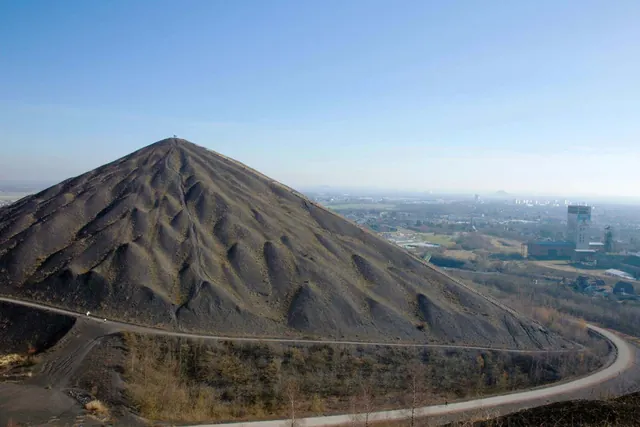
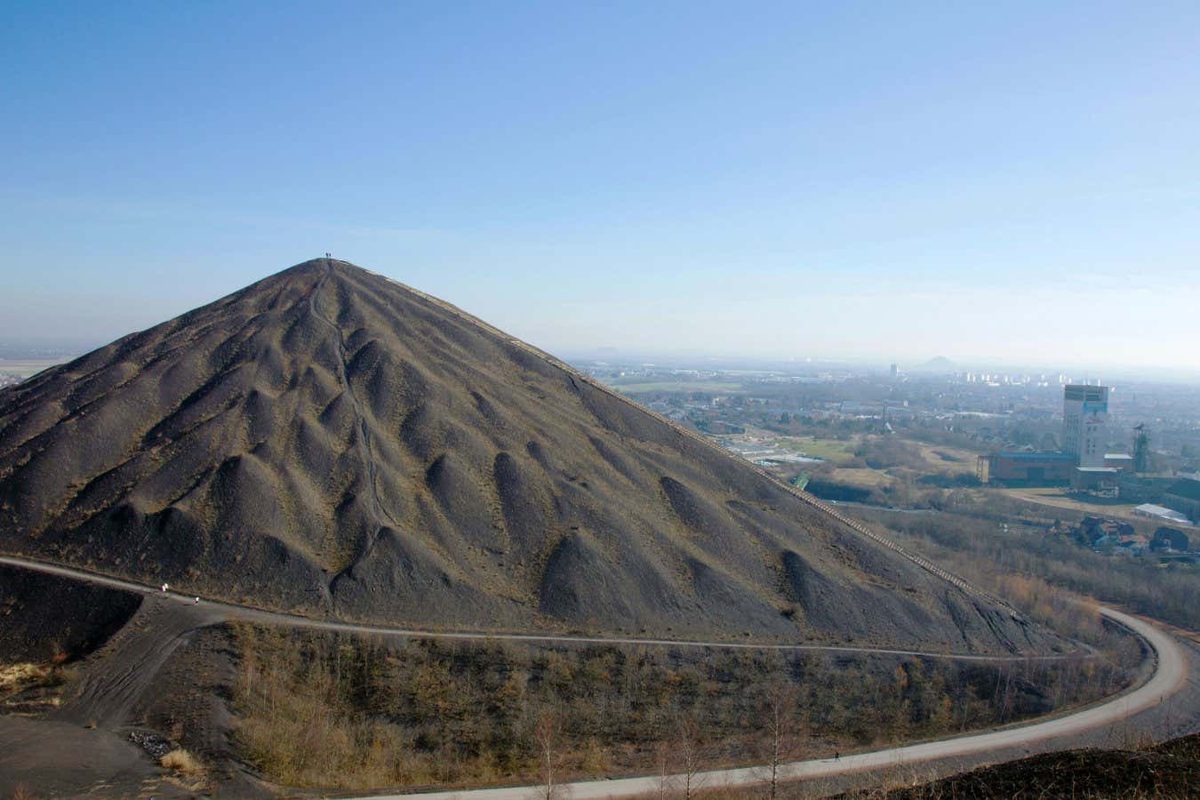
Slag heaps are the large piles of waste produced by metallurgical industries, consisting primarily of molten rock and metal residues that solidify upon cooling. Traditionally seen as environmental hazards, these heaps have been little studied from a geological perspective. However, recent research has started to explore how these anthropogenic materials interact with natural processes, leading to new mineral formations and rock types.
Sedimentary rocks typically form from the accumulation and compaction of mineral and organic particles over vast geological periods. The discovery that human-generated industrial waste can rapidly transform into sedimentary rock adds an unexpected chapter to the story of Earth's evolving surface.
Analysis
The rapid formation of sedimentary rock from slag heaps has significant implications for several fields. Geologists must reconsider how human activity accelerates geological processes. This discovery also highlights the potential for these artificial formations to serve as unique records of industrial history, preserving information about the types of metals processed and the environmental conditions at the time.
From an environmental standpoint, understanding the transformation of slag into rock could inform better strategies for managing industrial waste. Instead of viewing slag heaps solely as pollutants, they might eventually be repurposed as stable geological formations, reducing environmental risks associated with leaching and erosion.
Moreover, this finding prompts further questions about the long-term stability of these rocks, their mineral composition, and potential uses. Could these materials be harnessed for construction or other industrial applications? Could they serve as analogs for studying rapid geological changes elsewhere on Earth or even on other planets?
Conclusion
The identification of a new sedimentary rock type forming from industrial slag heaps exemplifies the profound and immediate impact human industry has on the planet’s geology. It challenges previous assumptions about the timescales of rock formation and underscores the need for interdisciplinary research that bridges geology, industrial ecology, and environmental science. This discovery not only opens new scientific questions but also offers practical insights into waste management and material science, emphasizing the complex interplay between natural and anthropogenic earth processes.