Mystic the Cownose Ray Celebrates 27th Birthday, Outliving Wild Counterparts
Introduction
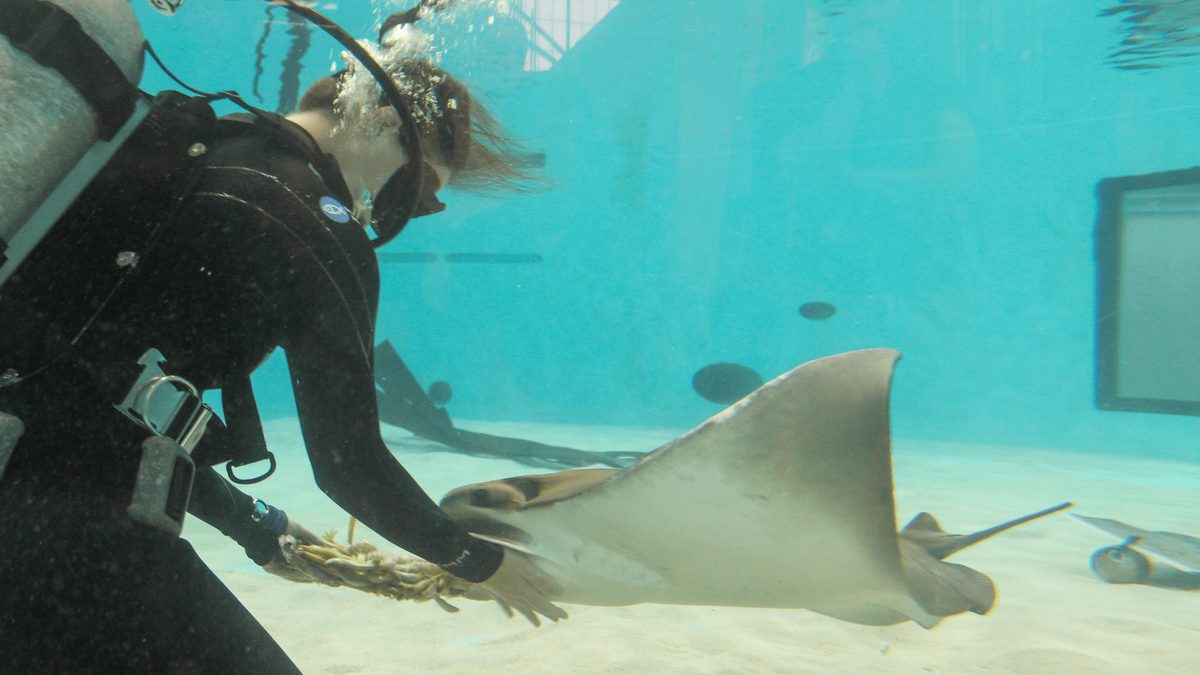
The New England Aquarium is marking a significant milestone as Mystic, one of their beloved cownose rays (Rhinoptera bonasus), has officially celebrated her 27th birthday. This remarkable achievement is particularly noteworthy given that cownose rays in their natural ocean habitat typically live for approximately 18 to 20 years. Mystic’s extended lifespan not only celebrates her individual journey but also underscores the exceptional standards of care provided by the aquarium’s dedicated staff.
Key Details
- Species: Cownose Ray (Rhinoptera bonasus)
- Age: 27 years old
- Location: New England Aquarium, currently residing at the Quincy Animal Care Center
- Lifespan Comparison: Wild cownose rays typically live 18-20 years; Mystic is significantly older.
- Care Team: Includes aquarists, volunteers, and interns.
- Diet: Hand-fed fish, clams, shellfish, and vitamin supplements.
- Enrichment: Puzzle balls filled with food to encourage foraging and problem-solving.
- Conservation Status: Vulnerable (IUCN Red List)
Background
Cownose rays are fascinating migratory, open-ocean inhabitants, closely related to other ray species. Their distinctive moniker, “cownose,” is derived from their unique snout, which bears a resemblance to a cow’s nose. These rays can achieve an impressive wingspan of up to three feet. While they possess a venomous spine located behind their dorsal fins, they are generally shy creatures. Most human-related injuries involving these rays occur when people accidentally step on them, rather than through aggressive encounters. They are commonly found along the eastern coast of the United States. The International Union for Conservation of Nature (IUCN) classifies the cownose ray as Vulnerable, reflecting concerns about their population status in the wild.
“With excellent care, these animals can live even longer. We aren’t sure what the upper age limit for this species is, but Mystic could be considered one of the oldest individuals in public aquariums,” Rachel Moote, manager of husbandry at the New England Aquarium, told Popular Science.
Impact Analysis
Mystic’s longevity has significant implications for our understanding of cownose ray biology and care. Her extended life, nearly a decade beyond the average wild lifespan, suggests that with optimal conditions, nutrition, and veterinary attention, these animals can thrive for considerably longer periods than previously assumed. Rachel Moote, manager of husbandry at the New England Aquarium, noted that Mystic “could be considered one of the oldest individuals in public aquariums,” highlighting her exceptional status. The aquarium’s commitment to providing a stimulating environment, including puzzle feeders that encourage natural foraging behaviors, likely plays a crucial role in her well-being and extended life. This detailed approach to care, encompassing both physical health and mental stimulation, serves as a model for other institutions managing vulnerable marine species.
Broader Context
The conservation status of cownose rays as Vulnerable adds another layer of importance to Mystic’s story. As wild populations face threats that contribute to their declining numbers, understanding the factors that promote longevity and health in managed environments becomes increasingly valuable. The New England Aquarium’s success with Mystic demonstrates that with intensive, specialized care, it is possible to support individuals of this species well beyond their typical lifespan. This knowledge can inform conservation strategies, captive breeding programs, and public education efforts aimed at protecting cownose rays in their natural habitats. The aquarium’s efforts to replicate natural diets and provide enrichment activities are particularly relevant, as they address the complex needs of these animals.
Future Outlook
Mystic’s milestone birthday opens up avenues for further research into the maximum lifespan of cownose rays. The aquarium's veterinary and aquarist staff continuously monitor her health, conducting hands-on examinations when necessary. This ongoing observation will provide invaluable data on aging in this species. As Mystic continues her “much-deserved retirement” at the Quincy Animal Care Center, her care team, comprising aquarists, volunteers, and interns, will maintain her specialized diet and enrichment activities. The possibility of her being one of the oldest, if not the oldest, cownose ray in captivity warrants continued attention and study, potentially revising our understanding of the species’ potential longevity and the factors contributing to it.
Conclusion
Mystic the cownose ray’s 27th birthday is more than just a cause for celebration at the New England Aquarium; it is a testament to the power of dedicated animal husbandry and a beacon of hope for conservation efforts. Her remarkable longevity, far surpassing the average lifespan of wild cownose rays, highlights the critical role that expert care, environmental enrichment, and attentive veterinary support play in the lives of marine animals. As Mystic enjoys her specialized diet and mentally stimulating activities, her story underscores the potential for extended, high-quality lives for vulnerable species under human stewardship, offering valuable insights for both aquarium management and broader conservation initiatives.
Source: popsci.com