Samsung's Antioxidant Index: Cheez-Its Mislead Health Monitoring
Introduction
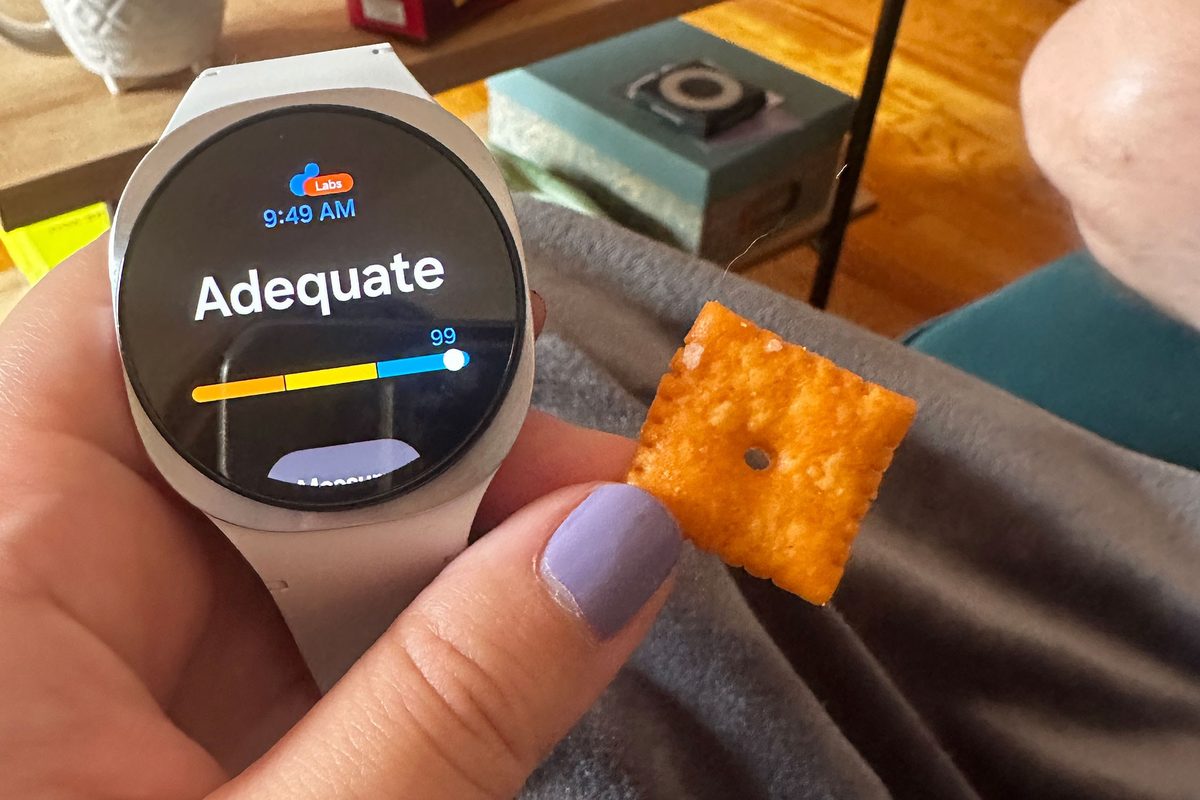
Samsung has recently launched the Galaxy Watch 8, a smartwatch that comes packed with innovative features aimed at enhancing health monitoring. Among these, the most notable is the newly introduced Antioxidant Index, which supposedly evaluates the levels of carotenoids—antioxidants found in various fruits and vegetables—through skin measurements. However, a recent test involving an ordinary snack, Cheez-Its, has sparked significant debate regarding the accuracy and reliability of this feature. This article delves into the implications of this technology and its potential impact on consumer health awareness.
Key Details
- The Antioxidant Index uses blue, yellow, and infrared LEDs to measure carotenoid levels in the skin.
- Users place their thumb on the sensor for ten seconds to receive an estimate of their antioxidant intake.
- The recommended daily intake of fruits and vegetables is approximately 400g.
- During testing, the watch mistakenly identified Cheez-Its as a source of antioxidants.
- This raises concerns about the potential for misleading health advice based on inaccurate readings.
Background
The idea behind the Antioxidant Index is based on scientific principles about carotenoids, which are pigments found in plants that have been associated with numerous health benefits, including reducing the risk of chronic diseases. Samsung's innovative approach aims to make health monitoring more accessible and engaging by allowing users to check their antioxidant intake directly through their smartwatch. By relying on skin readings, the watch attempts to simplify the process of tracking dietary habits without requiring extensive knowledge about nutrition.
However, the introduction of such a feature also raises questions about the accuracy of health measurements provided by consumer electronics. The consumer market has seen a surge in health-oriented gadgets, but many of these devices often lack the rigorous scientific validation required to ensure reliability.
Impact Analysis
The implications of this technology are significant. On one hand, the Antioxidant Index could empower users to make more informed dietary choices by providing instant feedback on their intake of essential nutrients. It could serve as a motivational tool, encouraging healthier eating habits and increasing awareness about the nutritional content of everyday foods.
“While the intention behind the Antioxidant Index is commendable, the execution raises serious concerns regarding accuracy and reliability. If users start to take these readings at face value, it could lead to misguided dietary decisions.”
On the other hand, the incident with Cheez-Its highlights potential pitfalls. If the watch can inaccurately identify processed snacks as healthy sources of antioxidants, users might become complacent in their dietary choices, believing they are meeting their nutritional needs when they are not. This misrepresentation can undermine the very goal of promoting healthier eating behaviors.
Broader Context
This situation is not just isolated to Samsung; it reflects a broader trend in the wearables market. As technology advances, consumers are increasingly relying on devices for health insights that traditionally required professional evaluation. Health gadgets promise convenience and ease of use, but the reliance on simplistic metrics can be misleading. Furthermore, consumer education regarding the limitations and proper use of these devices is crucial.
In recent years, a variety of health applications and wearables have emerged, allowing individuals to track everything from heart rate to sleep patterns. However, many of these devices often lack the contextual understanding necessary to provide nuanced health insights. The incident with the Galaxy Watch 8’s Antioxidant Index exemplifies the need for caution when interpreting health data provided by consumer electronics.
Future Outlook
Looking ahead, it is essential for technology companies to invest in better research and validation for health-related features in their devices. This includes collaborating with nutritionists and health professionals to ensure that the data provided by these gadgets is accurate and beneficial. As consumers become increasingly health-conscious, they deserve devices that deliver reliable and actionable insights.
Moreover, regulatory bodies may need to establish clearer guidelines for health apps and wearables to ensure consumer protection. As the market grows, so too does the responsibility of companies to ensure that their products do not mislead or endanger users.
Conclusion
The Samsung Galaxy Watch 8's Antioxidant Index presents an intriguing concept aimed at enhancing health awareness through easy monitoring of antioxidant intake. However, the incident involving Cheez-Its serves as a cautionary tale about the potential inaccuracies in consumer health technology. As the boundaries between health and technology continue to blur, both companies and consumers must tread carefully, ensuring that health insights are both accurate and meaningful.