Google Teases Fitbit Edge: A New Contender in the Wearable Health Market
Introduction
The wearable technology landscape is heating up as Google has officially teased its latest fitness tracker, the 'Fitbit Edge', with a reveal date slated for October 12. This move signals Google's continued commitment to the health and wellness sector, aiming to capture a broader segment of the market with a device that appears poised to fill a strategic gap in its existing Fitbit lineup.
Key Details
- Device Name: Fitbit Edge, confirmed via capitalized use in promotional material.
- Reveal Date: October 12, as indicated by Google's social media posts.
- Positioning: Expected to sit between the entry-level Fitbit Air and the premium Pixel Watch.
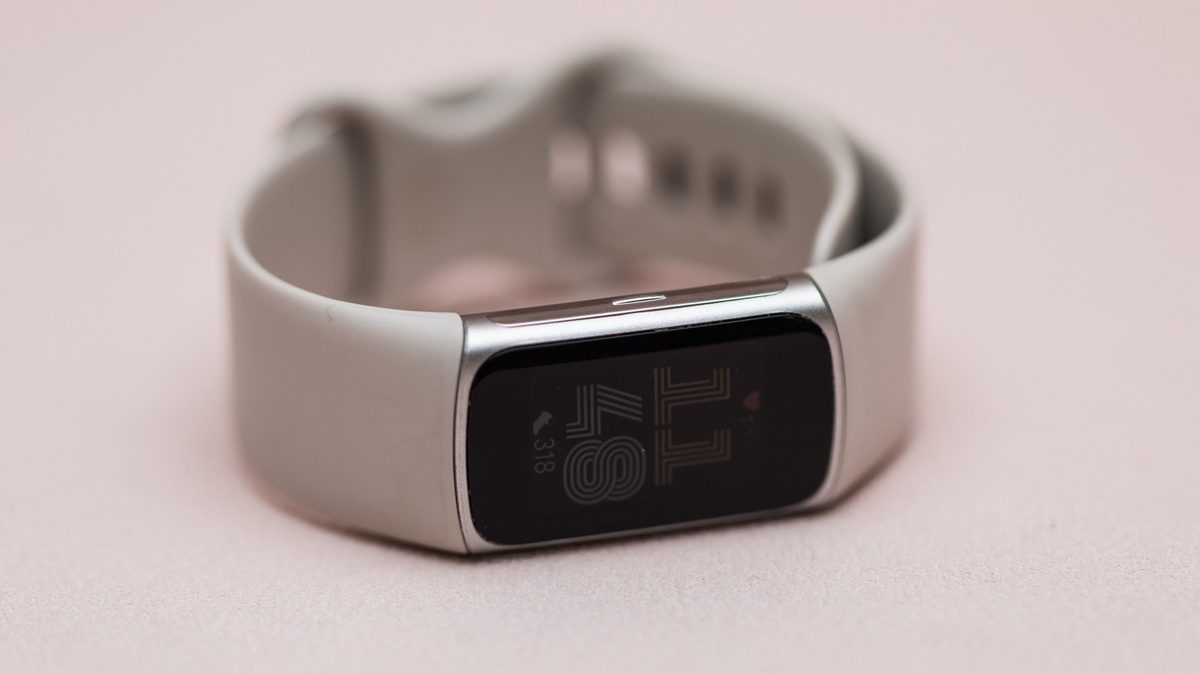
- Design Clues: Images reveal a side button, with further details leaked regarding apps and health tracking features.
- Battery Life: Rumored to offer up to seven days on a single charge with the always-on display disabled, and two days with it enabled.
- Pricing: Estimated at €179 (approximately $200) in Europe, potentially around $180 in the US, positioning it above the Fitbit Air.
Background
Google's acquisition of Fitbit in 2021 marked a significant expansion into the health-tracking hardware market. Since then, the company has been integrating Fitbit's technology and brand into its broader ecosystem. The upcoming Fitbit Edge follows a series of releases and leaks, including the screenless Fitbit Air launched earlier this year and the more advanced Pixel Watch series. Previous leaks and reports from publications like 9to5Google, Android Headlines, and French magazine Dealabs have provided a steady stream of information, culminating in Google's own cryptic teasers.
Impact Analysis
The introduction of the Fitbit Edge could significantly impact Google's market share in the competitive wearable space. By offering a device that seems to strike a balance between affordability and advanced features, Google aims to attract users who find the basic trackers too limited and the premium smartwatches too expensive or feature-rich for their needs. This tiered approach allows Google to cater to a wider audience and potentially drive adoption of its health services.
The choice to capitalize 'Edge' in Google's teaser, alongside the tagline 'Get an Edge on your health,' strongly suggests the device is designed to offer a distinct advantage or a more comprehensive health monitoring experience compared to its predecessors or competitors in its price bracket.
Broader Context
The wearable health market is increasingly driven by sophisticated sensors and data analysis, with companies vying to offer the most accurate and insightful health metrics. Google's strategy with Fitbit Edge likely involves leveraging its vast data processing capabilities and AI to provide users with actionable health insights. Furthermore, this launch could be a strategic move to bolster Google Health Premium subscriptions, offering enhanced features and personalized coaching accessible through these devices. The competition is fierce, with Apple, Samsung, and Garmin all having strong offerings, making Google's differentiation crucial.
Future Outlook
The success of the Fitbit Edge will depend on its ability to deliver on its promised features, particularly in health tracking accuracy and battery life, at a competitive price point. If the device proves to be a compelling option, it could solidify Google's position as a major player in the wearable health tech industry. It also sets the stage for future iterations and further integration with Google's broader health initiatives, potentially including more advanced AI-driven health predictions and personalized wellness plans.
Conclusion
Google's upcoming Fitbit Edge represents a calculated step in its wearable strategy. By bridging a perceived gap in its product line, the company aims to attract a wider user base and strengthen its health ecosystem. The official reveal on October 12 will be key to understanding the full capabilities and market positioning of this new contender.
Source: engadget.com