Galaxy Watch 8: Promising New Features and 17% Longer Battery Life in Early Use
Introduction
Samsung launched its Galaxy Watch 8 during the Galaxy Unpacked event on July 9, 2025, coinciding with Amazon’s Prime Day. Despite the timing overlap complicating immediate coverage, early hands-on experience with Samsung's latest smartwatch reveals a promising upgrade in several key areas including design, health tracking, software, and user interface.
Key Details
- New antioxidant level measurement feature providing health insights
- Redesigned "cushion" or "squircle" shaped case, improving aesthetics and usability
- First watch with Google’s Wear OS 6, enhanced by Samsung's One UI and Gemini AI integration
- AI-fueled running coach with personalized training plans
- Improved battery capacity (325mAh vs 300mAh in previous model)
- Classic model with premium design and added protection through spinning bezel
- Price increase of $50 for base model, with competitive positioning against Apple and Google wearables
Background
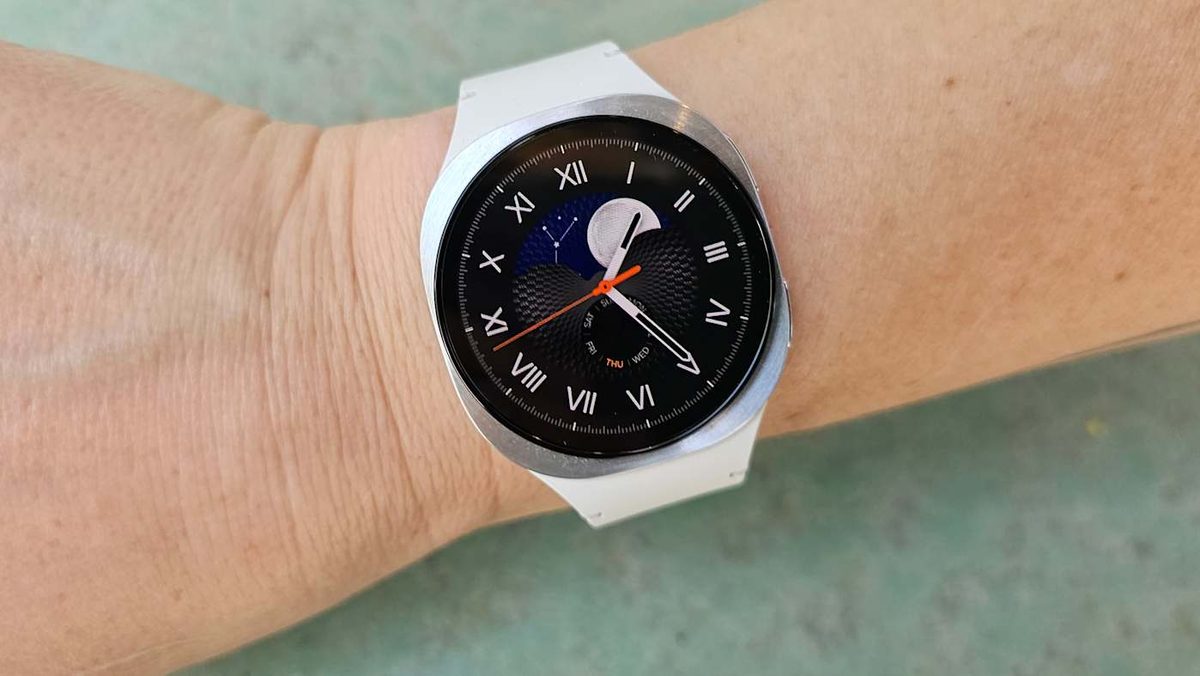
Samsung’s wearable line has seen incremental upgrades through generations, but the Galaxy Watch 8 represents a more notable shift, especially in design and software. The watch now uses a "cushion design," inspired by the Ultra model, trading the traditional round case with prongs for a rounded square aluminum housing, enhancing both style and ergonomics. This update comes as Samsung increasingly leverages Google’s Wear OS platform, layering its own One UI and integrating Google’s new Gemini AI assistant.
Health features have expanded as well. While the processor and sensors remain similar to the Galaxy Watch 7, the new antioxidant level detection is a distinctive addition, reflecting Samsung’s push into more nuanced health metrics. This feature complements existing data like sleep tracking, fitness monitoring, and vascular load assessment.
Impact Analysis
The antioxidant tracking feature, although novel, showed mixed results in early testing. Antioxidant levels are measured by placing a thumb on the sensor for five seconds, producing a score that ranges from “very low” to “adequate.” Early results placed the reviewer’s antioxidant level in the low category, with lifestyle efforts to boost antioxidants surprisingly not producing immediate improvement. This suggests the metric may reflect longer-term health trends rather than short-term fluctuations.
The redesign significantly improved comfort and usability. The raised glass display, while visually striking and beneficial for edge-gesture navigation, increased the risk of screen damage, prompting immediate purchase of screen protectors. However, the watch’s lighter build and refined band design felt comfortable even overnight — a notable improvement over the Galaxy Watch 7.
From a software standpoint, Wear OS 6 paired with Samsung’s One UI provides a smoother interaction model featuring categorized tiles for health, fitness, and basic functions. The Gemini AI assistant, integrated for the first time, demonstrated fast responses to reminders, local searches, and conversational queries, although it lacks continuous listening capabilities for follow-up commands, requiring manual reactivation.
The AI running coach offers tailored, four-week training plans based on an initial 12-minute run test, a feature that could motivate non-athletes to improve fitness. Early experience showed encouraging guidance and pacing feedback, which enhanced workout performance.
Battery life saw a modest increase with the 325mAh battery, delivering better endurance than the previous 300mAh version. Mixed usage including workouts, AI queries, and sleep tracking still left a significant charge after 24 hours, a positive sign for active users.
Broader Context
In the competitive smartwatch market—dominated by Apple, Google, and Samsung—each brand seeks to differentiate through hardware innovation, health tracking accuracy, AI integration, and ecosystem synergy. Samsung’s strategy to emphasize antioxidant monitoring and AI fitness coaching highlights a move toward personalized wellness management. While Apple continues to expand its fitness and health capabilities with watchOS 10, Samsung leverages its partnership with Google to integrate Gemini AI and Wear OS 6, bringing a more versatile experience to Android users.
Pricing adjustments position the Galaxy Watch 8 as a mid-tier option. Starting at $350 for the base 40mm model and $380 for the 44mm, Samsung competes effectively against Google’s Pixel Watch 3 ($350) and Apple Watch Series 10 ($399 starting price), with potential discounts shifting the balance during sales events. The Classic 46mm model, priced at $500, targets consumers who value premium design and durability, distinguishing it from the standard version.
Future Outlook
With several features like vascular load monitoring and bedtime guidance requiring longer-term data collection, the Galaxy Watch 8’s full potential will be clearer over the coming weeks and months. Samsung’s commitment to incremental hardware improvements coupled with advanced AI-powered features suggests the brand is focused on enhancing health insights and everyday usability.
Continued software updates will likely refine Gemini AI’s responsiveness and integration, potentially adding continuous listening and deeper phone-watch synergy. Samsung’s ecosystem advantage for Galaxy smartphone users remains a key selling point, encouraging further adoption.
Screen durability will be a critical factor for widespread acceptance, particularly given the raised glass design. Samsung may need to address this in future iterations or through official accessories to reduce breakage risk.
Conclusion
Early impressions of the Galaxy Watch 8 suggest a smartwatch that balances design innovation, health-centric features, and AI-enhanced usability. While not revolutionary in every aspect, the upgraded antioxidant tracking, AI running coach, and refined Wear OS 6 interface add meaningful value. Improved comfort and battery life further strengthen its appeal.
"Samsung’s latest wearable becomes a very capable wrist companion, especially for Galaxy smartphone users looking for a stylish yet practical smartwatch," the reviewer notes.
Further testing is required to fully evaluate the battery endurance and emerging health features. However, the Galaxy Watch 8 stands out as a competitive choice in 2025’s dynamic smartwatch landscape, offering a blend of style, smart capabilities, and wellness tracking at a reasonable price point.