Foldable Phones in 2025: Balancing Innovation and Durability Challenges
Introduction
Foldable smartphones have transitioned from experimental gadgets to highly functional devices that combine the portability of traditional phones with the expansive screen real estate of tablets. By 2025, these devices are expected to continue pushing the boundaries of mobile technology, catering to users who value multitasking, immersive media consumption, and unique form factors. This report delves into the current landscape of foldables available in North America and Europe, examining their design trends, strengths, and limitations.
Key Details
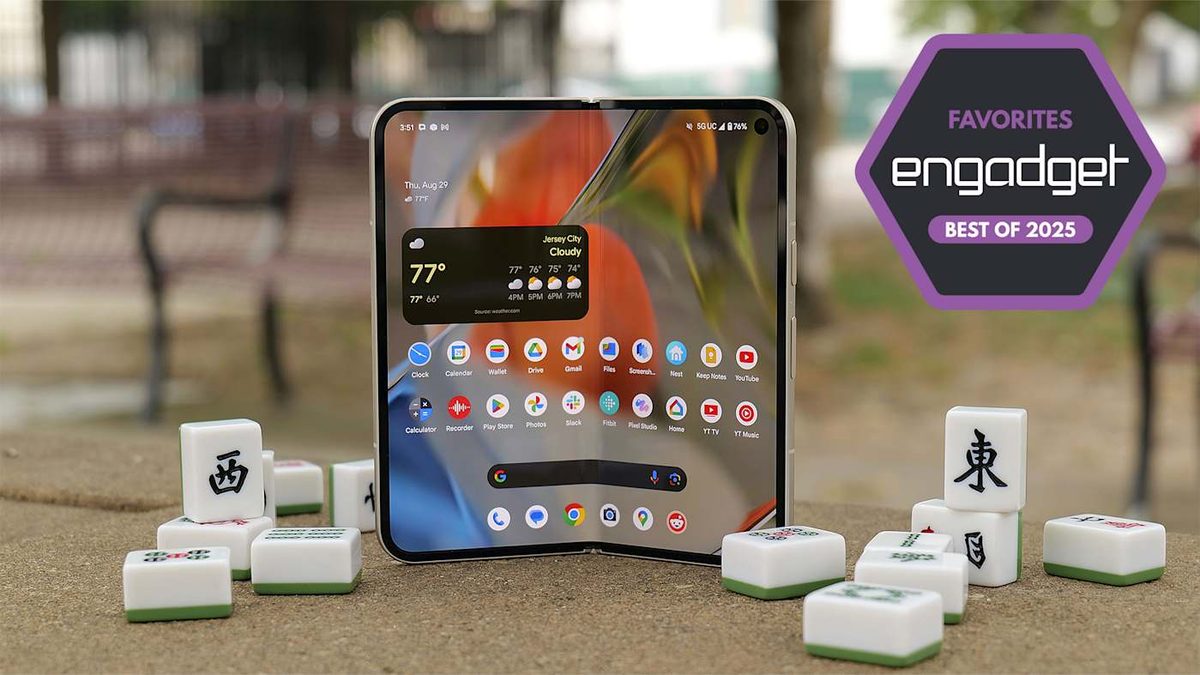
- Foldables come mainly in two styles: book-style devices with large inner screens (7-8 inches) and compact flip-style phones with smaller displays (6-7 inches).
- Top models focus on powerful performance, sharp cameras, bright displays with peaks above 1,000 nits, and all-day battery life.
- Durability remains a key concern, especially for flexible plastic-based screens that are prone to damage and require special care.
- Some foldables, like Samsung’s and Google’s Pixel Fold, now feature IPX8 water resistance, a significant step forward.
- Screen protector issues often arise after 9-12 months, sometimes necessitating potentially costly replacements or servicing.
Background
The foldable phone market initially targeted enthusiasts fascinated by cutting-edge technology but has since broadened to mainstream consumers. Early models garnered attention but faced criticism for fragile screens and bulky designs. Over successive generations, manufacturers such as Samsung, Google, and others have introduced refinements including ultra-thin glass, advanced hinge mechanisms, and better software optimization to enhance reliability and user experience.
The distinction between flip-style and book-style foldables reflects different user priorities. Flip phones prioritize compactness and style, evoking nostalgia while integrating contemporary flexible displays. Book-style phones, meanwhile, aim to provide tablet-like productivity on the go, supporting multitasking with multiple apps and richer media consumption.
Impact Analysis
Despite technological strides, foldables still face challenges that could affect adoption rates among general consumers. The primary concern lies in screen durability. Flexible OLED displays, often covered by plastic layers rather than rigid glass, are vulnerable to scratches, dents, and pressure damage. Manufacturers include factory-installed screen protectors that users are advised not to remove independently, adding complexity to maintenance.
Repair costs for damaged foldable screens can be significantly higher than those for traditional smartphones, sometimes exceeding $500 depending on the device and damage severity. This cost factor, combined with concerns about long-term durability, may deter some buyers, especially given that traditional smartphones continue to improve in performance and design.
Water resistance certifications such as IPX8 are notable advances, providing users with greater confidence in everyday use scenarios, including accidental submersion. However, the lack of dust resistance remains a limitation in many models, potentially affecting longevity.
Broader Context
The rise of foldable phones reflects the broader trend in the mobile industry toward devices that maximize screen real estate without sacrificing portability. As consumers increasingly multitask — juggling video calls, content creation, gaming, and productivity tools — larger and more versatile displays become desirable.
At the same time, foldables face stiff competition from traditional smartphones and emerging form factors like rollable displays and dual-screen devices. Additionally, regional availability varies: while Asia (notably China) offers a wider selection of foldables, many of these models lack support for North American and European carriers and are harder to purchase abroad.
Future Outlook
Looking ahead, foldable phones are poised to become more mainstream as manufacturers address durability issues and refine design. Innovations in ultra-thin glass, hinge engineering, and protective coatings will likely reduce damage risk and repair costs. Software enhancements leveraging AI will further improve multitasking and user interface adaptability for foldable screens.
Moreover, market penetration may increase as prices gradually decline with broader adoption. Nevertheless, potential buyers should weigh the benefits of increased screen space and multitasking capabilities against the higher upfront cost and potential maintenance challenges.
Conclusion
Foldable phones in 2025 represent a dynamic intersection of innovation, style, and practicality. They offer users new ways to engage with mobile technology through expansive displays and versatile form factors. However, durability and repair considerations remain critical factors in deciding whether a foldable device is the right choice. As the technology matures, foldables are expected to become increasingly resilient and accessible, shaping the future of mobile computing.
"Foldable phones continue to evolve, with better AI features, improved specs and more refined form factors—making them increasingly practical for a wide range of users."
— Report adapted from Engadget, with contributions by Georgie Peru.