Emerging Markets Drive Surge in Euro-Denominated Debt as Dollar Reliance Wanes
Introduction
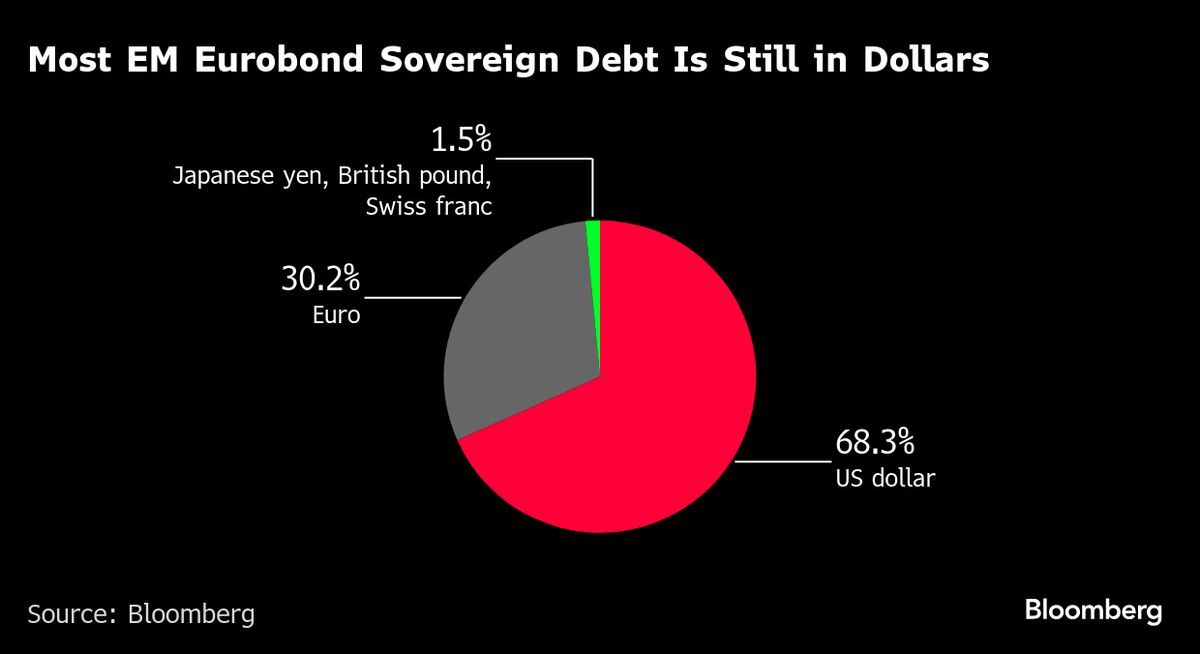
Emerging-market economies are recalibrating their international borrowing strategies by significantly increasing issuance of euro-denominated bonds. This shift marks the fastest growth in euro-denominated debt issuance from these markets in over a decade, reflecting a broader global trend of diversifying away from reliance on the US dollar in international finance.
Key Details
- Emerging-market borrowers have accelerated euro bond issuance at the highest rate since the early 2010s.
- The euro bond market offers borrowers an alternative to US dollar debt amid growing concerns about dollar volatility and tightening monetary policies from the Federal Reserve.
- Investors are showing increased appetite for euro-denominated assets, seeking diversification and hedging against dollar fluctuations.
- Macroeconomic factors, including currency risks and geopolitical tensions, have incentivized emerging markets to expand their footprints in euro bond markets.
Background
Historically, the US dollar has dominated international debt markets, particularly for emerging economies that rely on dollar funding for their development and fiscal needs. However, recent years have seen growing concerns about the risks associated with dollar-denominated debt. Factors such as the Federal Reserve's tightening cycle, fluctuating exchange rates, and the geopolitical landscape have prompted both issuers and investors to seek alternatives.
The euro, as the second most widely used currency in global finance, has increasingly become a favored option. European Central Bank policies, while distinct from those of the Fed, have fostered relatively stable borrowing conditions, which further support this trend.
Analysis
This surge in euro bond issuance by emerging markets reveals multiple dynamics at play. First, issuers are aiming to hedge currency mismatches by borrowing in euros, particularly when their own currencies are more closely linked to the euro or when dollar exposure poses significant risks. The diversification away from the US dollar helps mitigate refinancing risks exacerbated by dollar appreciation and interest rate hikes.
Second, investors' appetite for euro-denominated bonds has grown, partly driven by the search for yield in an environment where yields in traditional safe-haven assets remain low. Additionally, as geopolitical tensions impact dollar-based assets, euros offer a strategic balance in portfolios.
However, this shift is not without challenges. European monetary policy remains complex with ongoing inflation concerns and varying growth prospects across the Eurozone, factors that may affect future borrowing costs. Emerging-market borrowers must also manage foreign exchange risks associated with euro-denominated debt in countries where the euro is not a dominant currency.
Furthermore, this trend may influence global currency dynamics by slowly eroding the dominance of the US dollar, leading to a more multipolar currency landscape. Such changes could have broad implications for international trade, investment flows, and macroeconomic stability in emerging economies.
Conclusion
The rapid growth in euro-denominated bond issuance by emerging-market borrowers signals a strategic pivot in global debt markets, driven by the need to diversify currency risks and adapt to changing monetary environments. While the US dollar remains dominant, the euro's increased role highlights evolving fundamentals in international finance. Emerging economies, investors, and policymakers will need to monitor these developments closely, balancing opportunities with the inherent risks in a fluid geopolitical and economic environment.