Tech Insiders Skeptical of Anthropic's $3 Trillion IPO Valuation, Only 3 Hands Raised
Introduction
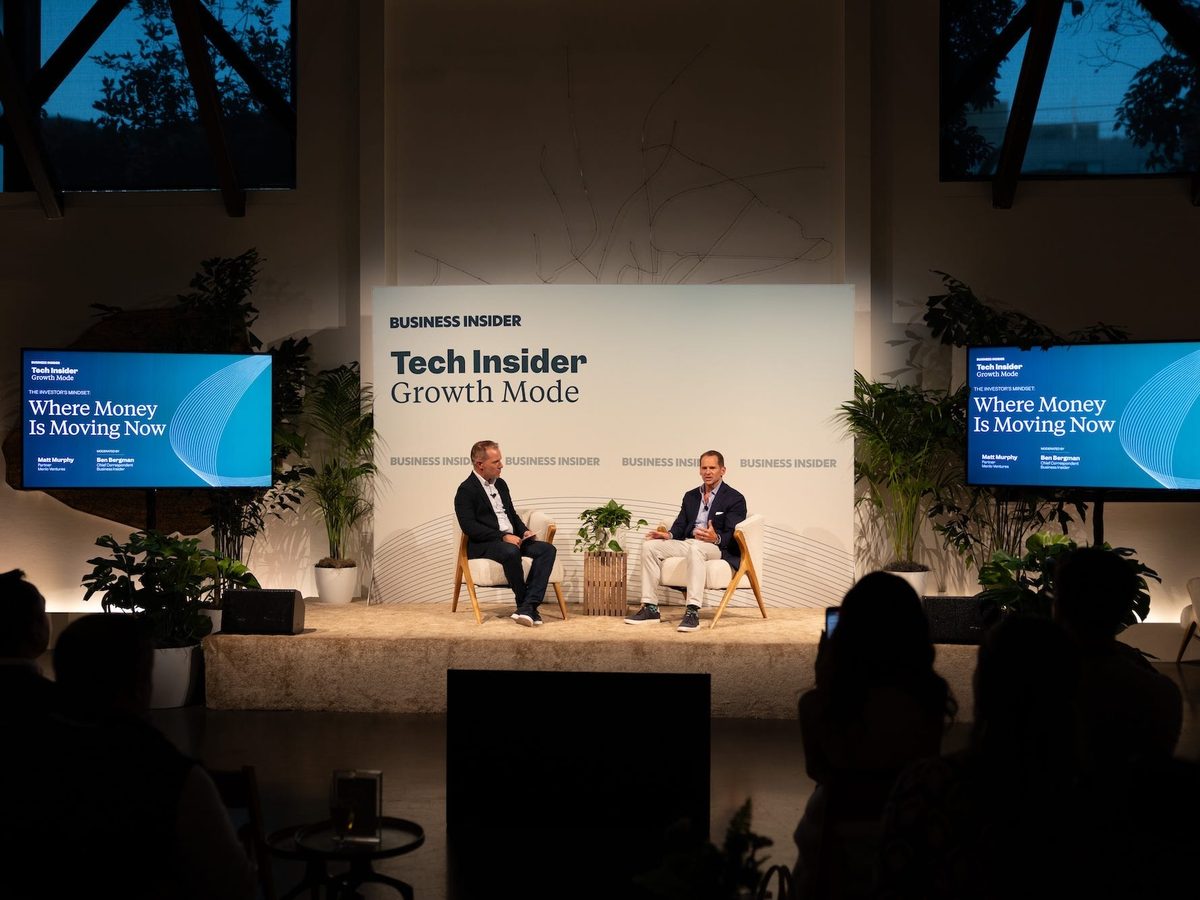
The artificial intelligence boom has propelled several companies to stratospheric private valuations, with Anthropic, a leading AI safety and research organization, being a prime example. As the company reportedly gears up for a potential Initial Public Offering (IPO), a recent event in San Francisco offered a stark glimpse into the market's perception of its immense valuation. At the Tech Insider: Growth Mode event, a poll conducted among tech industry professionals revealed a significant degree of skepticism regarding Anthropic's rumored $3 trillion IPO valuation, with a mere three hands rising in affirmation when asked if they would purchase shares at that price point.
Key Details
- Valuation Skepticism: During a panel at SF Tech Week, a question was posed to the audience: Would they buy Anthropic shares at a $3 trillion valuation? Only three hands were raised.
- Reduced Offer: When the valuation was halved to $1.5 trillion, a few more hands went up, indicating a slightly more palatable, yet still reserved, interest.
- Event Context: The poll took place at the Tech Insider: Growth Mode event, sponsored by Fidelity, featuring interviews with industry leaders including Anthropic investor Matt Murphy.
- Market Uncertainty: The muted response reflects broader anxieties within the current IPO market, which is experiencing record dollar amounts raised but a relatively low number of offerings.
- Oura IPO Delay: The recent eleventh-hour withdrawal of smart-ring maker Oura's IPO, citing choppy market conditions, serves as a recent example of companies hesitating to go public.
Background
Anthropic has emerged as a major player in the AI landscape, often positioned as a key competitor to OpenAI. The company has attracted substantial investment, with Menlo Ventures partner Matt Murphy having invested when Anthropic was valued at $4.1 billion. Now, as the company contemplates its public debut, reports suggest it is aiming for a valuation that could reach $2 trillion. This massive increase underscores the intense investor interest and the speculative nature of the AI sector. The event in San Francisco, held amidst the fanfare of SF Tech Week, provided a unique setting to gauge the sentiment of those directly involved in or closely observing the tech industry.
Impact Analysis
The poll's results, while anecdotal, carry significant weight. A $3 trillion valuation for Anthropic would place it among the most valuable companies globally, surpassing many established tech giants. The overwhelming lack of willingness among the surveyed tech professionals to invest at this price suggests a disconnect between the private market's exuberance and the public market's potential appetite. This could signal that the AI hype, while powerful, may face a harsh reality check when subjected to the rigorous scrutiny of public investors. The IPO market has seen a strong year in terms of capital raised, largely due to mega-offerings like SpaceX. However, beneath these headline figures, the market for new listings remains selective. Companies like Oura have demonstrated that market conditions can quickly turn unfavorable, leading to IPO withdrawals. For Anthropic, a successful IPO at a high valuation would validate the current AI investment frenzy; a misstep could dampen enthusiasm and force a re-evaluation of AI company valuations across the board.
“There's sort of an overarching feeling that there isn't enough public investor capital available until those deals get done,” noted Heidi Mayon, a partner at Simpson Thacher, referring to the impact of potential Anthropic and OpenAI IPOs on the market.
Broader Context
The current IPO market is characterized by a dichotomy: record amounts of capital are being raised, yet the number of companies going public is relatively low. This is partly due to the success of a few large, high-profile offerings, but also because many companies are waiting for more stable market conditions or for major industry players to set precedents. The AI sector, in particular, has seen valuations soar in the private markets. Experts like Heidi Mayon suggest that companies might be better served by pricing their IPOs more conservatively to ensure a positive market debut and sustained momentum, rather than trying to extract maximum value upfront. Nasdaq's Jack Cassel pointed out that while capital is available, investor expectations have shifted. The focus is no longer solely on growth, but on “growth with cash efficiencies and discipline.” This means companies must now present robust business models, clear product roadmaps, and sustainable strategies for post-IPO performance.
Future Outlook
Anthropic's IPO, whenever it materializes, will serve as a crucial test case for the broader AI industry. If the company can achieve a successful public offering, particularly at a valuation that satisfies its investors, it could pave the way for other AI startups. Conversely, if it struggles to meet expectations or is forced to accept a lower valuation, it could lead to a broader recalibration of AI stock prices. The skepticism shown at the Tech Insider event suggests that public investors may demand more concrete evidence of profitability and sustainable business models than has been required in the private markets. The coming months will be critical in determining whether the current AI investment frenzy can translate into sustainable public market success, or if it remains largely a product of private market speculation.
Conclusion
The poll at SF Tech Week, where only three individuals expressed willingness to buy Anthropic shares at a $3 trillion valuation, underscores a significant point of tension in the current market. While AI continues to capture imaginations and investment, the transition to public markets presents a formidable challenge. The event highlighted that industry insiders themselves harbor doubts about the extreme valuations being discussed for leading AI firms. Anthropic's IPO will be a pivotal moment, not just for the company, but for the entire AI sector, testing the resilience of hype against the pragmatism of public market investors and setting a potential benchmark for future tech offerings.
Source: businessinsider.com