Ancient Shark Graveyard in Egypt Reveals Rich Cretaceous Marine Ecosystem
Introduction
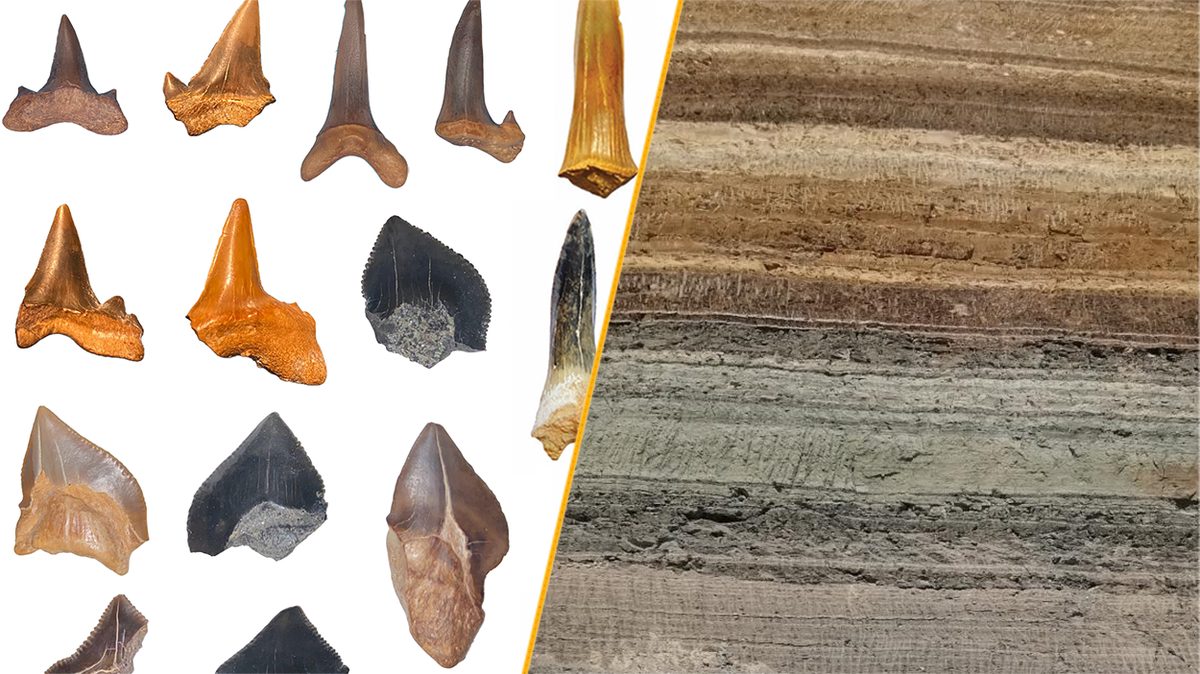
An extraordinary discovery in the heart of Egypt's Western Desert has unearthed a treasure trove of ancient marine life, revealing a dramatically different past for the arid landscape. Scientists have identified an ancient shark "graveyard" on the Abu-Tartur Plateau, where fossilized teeth from at least seven distinct shark species have been found. This significant find, spanning discoveries made between 2020 and 2022, offers compelling new insights into the region's once-thriving aquatic environment during the Cretaceous period.
Key Details
- Discovery Location: Abu-Tartur Plateau, Western Desert, Egypt.
- Fossil Assemblage: Teeth from at least seven different shark species.
- Time Period: Late Cretaceous, dating back millions of years.
- Research Period: Fossils collected between 2020 and 2022.
- Publication: Detailed in the journal Cretaceous Research on August 18th.
- Notable Species: Includes Scapanorhynchus raphiodon (an ancient goblin shark relative, new to Africa) and Serratolamna serrata and Squalicorax bassanii (new to Egypt).
- Lead Researcher: Tarek Yassin, paleontologist at Cairo University.
Background
The Abu-Tartur Plateau is situated within the Duwi Formation, a geological rock layer dating back to the Late Cretaceous. This formation is known for its rich phosphorite deposits, which often form from the accumulated remains of marine organisms. Historically, this region has yielded fossils of various marine creatures, including fish, sea turtles, and other marine reptiles, suggesting a complex and active ocean ecosystem once dominated the area. During the Cretaceous period, Earth experienced significantly warmer temperatures and higher sea levels, with oceans extending far inland into regions that are now dry land. Sea levels were estimated to be up to 170 meters (558 feet) higher than today, creating vast, shallow seas ideal for marine life.
Impact Analysis
The discovery of teeth from seven distinct shark species in a single location is particularly noteworthy. Lead author Tarek Yassin stated, “This study provides evidence that the area now occupied by the plateau was once a sea with flourished marine life, with environmental conditions suitable for its development and prosperity, including favourable temperatures, sunlight, and appropriate oxygen levels.” The presence of such a diverse range of shark species strongly suggests that the ancient sea was a nutrient-rich environment, capable of supporting a complex food web with abundant smaller fish to sustain these apex predators. While the findings don't confirm that all these species lived simultaneously, their co-location in the sediment indicates a shared habitat over geological time. The identification of species previously unknown in Africa and Egypt expands our understanding of the geographical distribution of marine fauna during this era.
“Finding teeth belonging to seven different shark species was particularly remarkable, especially because they were all discovered in the same location, in the middle of an entire plateau,” Yassin explained. “This discovery is more than simply a large assemblage of shark fossils.”
Broader Context
This find contributes significantly to our knowledge of paleogeography and ancient ecosystems. Egypt's desert landscapes, often perceived as barren, hold vast geological records of past climates and environments. The Abu-Tartur Plateau, with its rich fossil record, serves as a crucial window into the Mesozoic and Cenozoic eras. Understanding these ancient marine environments helps scientists reconstruct global climate patterns, ocean currents, and biodiversity hotspots of the past. Such research is vital for comprehending long-term ecological changes and the impact of climate shifts on marine life, providing valuable context for current environmental challenges.
Future Outlook
The research team is enthusiastic about the potential for further discoveries. Yassin indicated plans to continue exploring the Abu-Tartur Plateau and its surrounding areas. “We believe there is still much more to discover,” he stated. Future expeditions may uncover more fossilized remains, potentially including different species or even other types of marine organisms, further enriching our understanding of this ancient marine world. Advanced analytical techniques could also be employed to study the fossilized teeth, providing more detailed information about the sharks' diets, age, and the specific environmental conditions they inhabited.
Conclusion
The discovery of the ancient shark "graveyard" in the Egyptian desert is a testament to the dynamic and often surprising nature of paleontological research. It transforms our perception of arid landscapes into repositories of rich biological history. The fossilized teeth from multiple shark species not only confirm a vibrant marine past for the Abu-Tartur Plateau but also provide crucial data for reconstructing Late Cretaceous ecosystems and global environmental conditions. This ongoing research promises to yield further insights into the fascinating history hidden beneath Egypt's sands.
Source: livescience.com