Golf Ball Injury Leaves Painted Turtle With Unique Shell Scar
Introduction
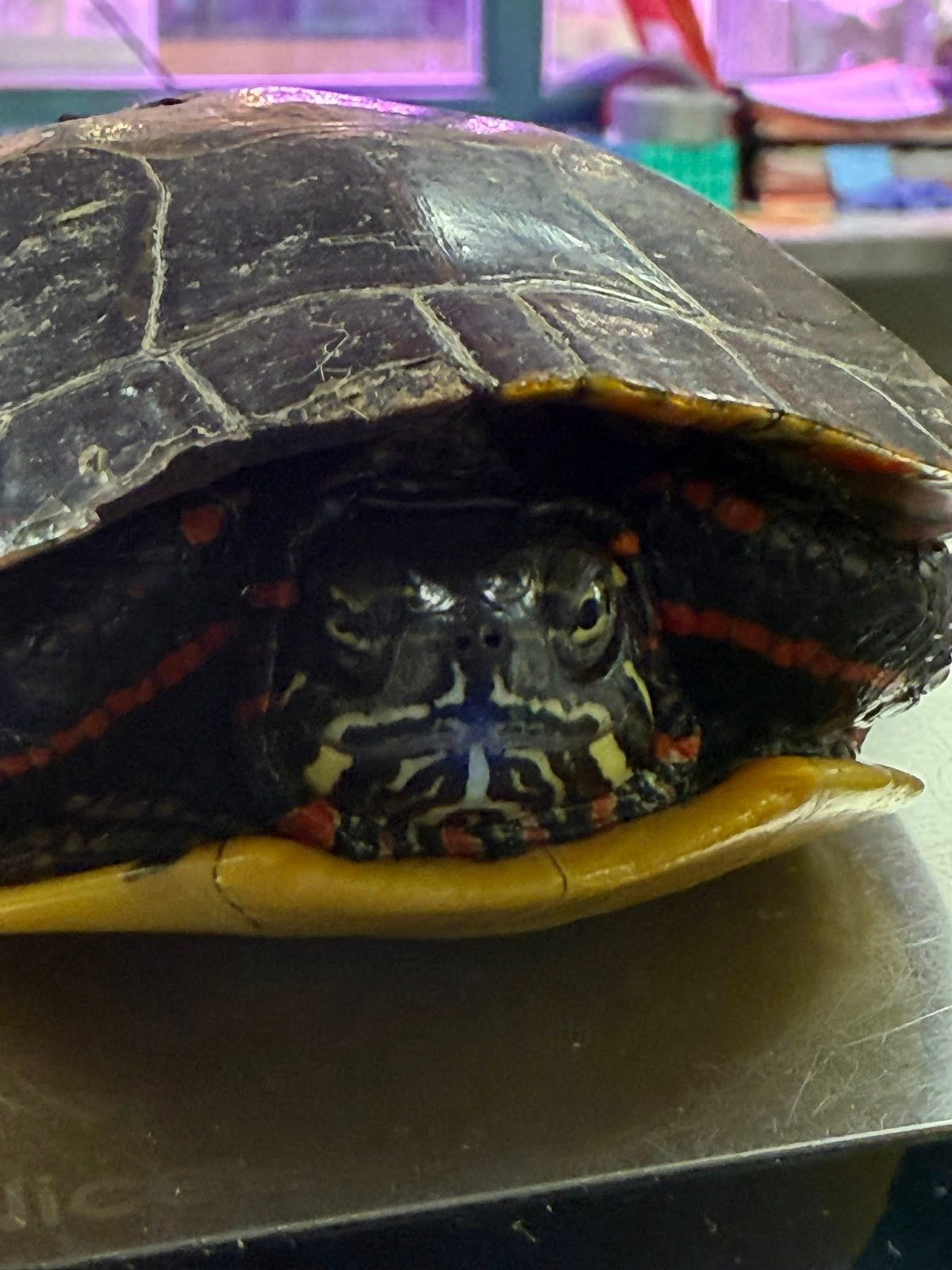
Earlier this month, a painted turtle (Chrysemys picta) was brought to the New England Wildlife Center in Massachusetts with a highly unusual injury: a perfectly round crater in its shell. This eye-catching injury sparked curiosity and concern among wildlife rehabilitators, who quickly deduced that the likely cause was a golf ball strike. The incident highlights an unexpected hazard that human recreational activities can pose to wildlife sharing their environments.
Key Details
- The turtle, a painted turtle species known for its smooth, brightly marked shell, was found near a golf course's water features in South Weymouth, Massachusetts.
- An anonymous rescuer transported the injured turtle to the wildlife center in a shoebox previously used for old golf shoes, adding an ironic twist to the story.
- Veterinarians confirmed the injury to be a circular wound consistent with an impact from a golf ball, leaving a crater on the shell but sparing vital organs and the spine.
- X-rays revealed new tissue growth over the wound, indicating the injury was not fresh and that the turtle was healing.
- The turtle is reportedly stable and expected to recover fully, with plans to release it back into its natural habitat soon.
Background
Painted turtles are a common freshwater species found throughout North America. They thrive in shallow waters like ponds and marshes and are recognizable by their colorful markings and smooth shells. These turtles have adapted well to living in habitats influenced by human activities, such as golf courses, where ornamental water features provide suitable environments.
Turtles, in general, are known for their resilience to injuries. According to experts from the Tamarack Wildlife Center in Pennsylvania, turtles can often survive traumatic injuries, but motor vehicles remain a significant threat, particularly during their spring migration and mating seasons when they are more active on land.
Impact Analysis
The injury sustained by this painted turtle—from a flying golf ball—though seemingly unusual, is a potent reminder of the unintended consequences of human leisure activities on local wildlife. Golf courses, while green spaces, sometimes pose hazards through their design and use, especially when wildlife intersects with these recreational zones.
The turtle’s survival despite such a traumatic injury underscores the species' hardy nature, but also raises concerns about increasing interactions between wildlife and human environments which can result in injuries or fatalities. It also draws attention to the role that bystanders and good Samaritans can play in wildlife rescue and rehabilitation.
"After assessing the injury, we are convinced there is only one logical cause, he was struck by a golf ball!" - New England Wildlife Center
Broader Context
This case contributes to a growing awareness of how animals adapt—and suffer—in habitats intertwined with human developments. Painted turtles and other reptiles often face threats not just from natural predators but from cars, pollution, and recreational activities. As the seasons change and turtles emerge from hibernation, their increased movement heightens the risk of accidents.
Conservation groups emphasize the importance of public vigilance during these sensitive periods. By reporting injured animals and exercising caution in areas where wildlife is active, communities can reduce the impact of human presence on vulnerable species.
Future Outlook
Wildlife centers continue to monitor treated animals like this painted turtle closely before reintroducing them to their natural habitats. The hope is that with continued public awareness and careful management of recreational areas, incidents like this can be minimized.
Additionally, there is a growing call among environmentalists and golf course managers alike to consider wildlife-friendly modifications to golfing environments, such as softer ball materials, designated animal habitats, and protective signage to alert golfers to local wildlife.
Conclusion
This incident serves as a compelling example of how human recreational activities can inadvertently harm local wildlife, even in seemingly safe settings like golf courses. The survival and ongoing recovery of this painted turtle highlight both the resilience of nature and the critical role of wildlife rescue efforts. As humans continue to share spaces with wildlife, awareness and proactive measures remain essential to safeguarding these animals.
Readers are encouraged to watch out for turtles and other wildlife, especially in spring and summer months, and to contact local wildlife centers if they encounter injured animals. Such community involvement is vital to ensuring that animals can thrive alongside human development.