Revolutionizing Gut Health: Engineered Microbes Target Kidney Stone Prevention
Revolutionizing Gut Health: Engineered Microbes Target Kidney Stone Prevention
Introduction
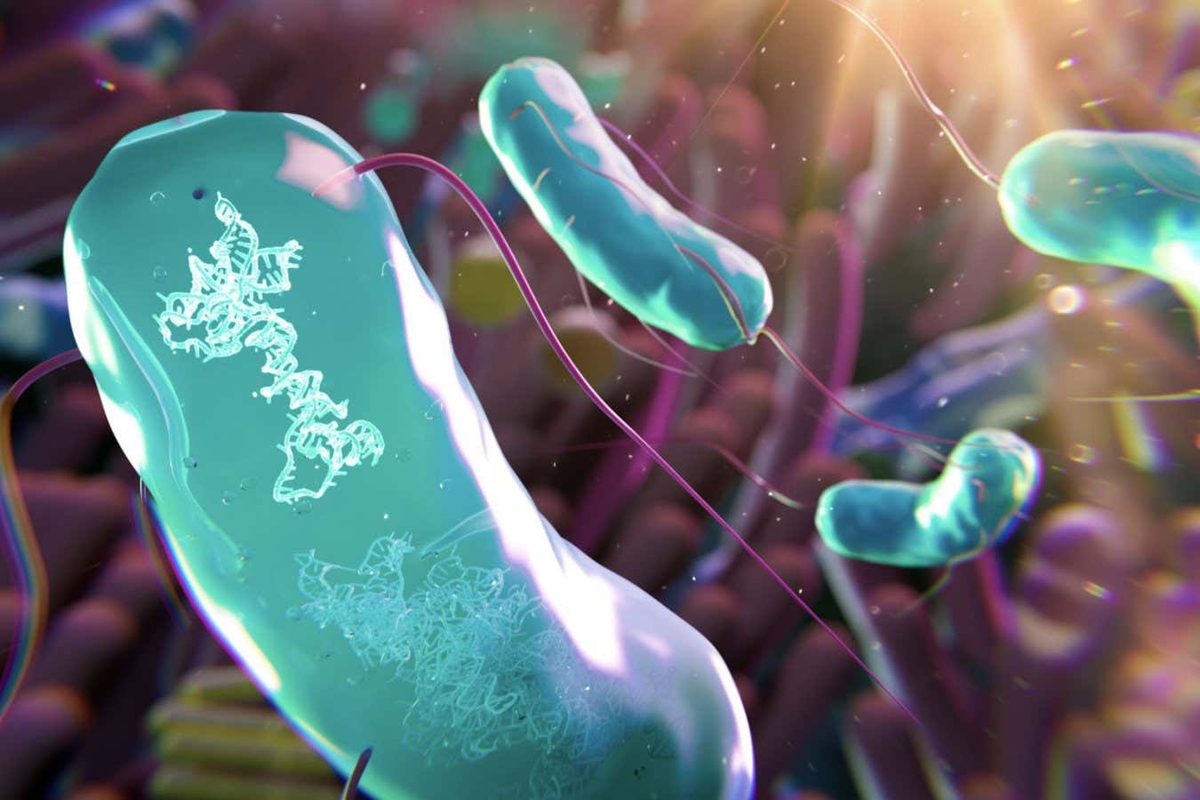
Recent advancements in genetic engineering have opened new avenues in healthcare, particularly in the realm of microbiome research. A team of researchers has successfully developed genetically modified gut microbes that can absorb specific compounds known to contribute to the formation of kidney stones. This innovative approach not only targets kidney stone prevention but also seeks to enhance the adaptability and efficiency of these microbes within the competitive environment of the gut microbiome.
Key Details
- The genetically engineered microbes are designed to absorb oxalate, a compound linked to kidney stone formation.
- These microbes have been optimized to thrive in the human gut, ensuring their functionality in a complex microbial ecosystem.
- This development could lead to new therapeutic strategies for preventing kidney stones and managing related health issues.
- The research highlights the potential of synthetic biology in addressing common health challenges through microbiome manipulation.
Background
The human gut microbiome is a complex ecosystem comprising trillions of microorganisms that play crucial roles in digestion, metabolism, and overall health. Disruptions in this delicate balance can lead to a myriad of health issues, including the formation of kidney stones. Kidney stones, which affect millions of people worldwide, are often composed of calcium oxalate. Therefore, reducing the levels of oxalate in the gut could be a significant step in preventing the development of these painful stones.
Traditionally, dietary modifications have been the primary recommendation for individuals prone to kidney stones. However, not everyone can adhere to strict dietary restrictions, and alternative preventive measures are urgently needed. The recent research into genetically engineered microbes presents a novel solution that could seamlessly integrate into a person’s existing gut microbiome.
Analysis
The implications of this research extend far beyond kidney stone prevention. By understanding how to engineer microbes that can purposefully interact with human physiology, scientists are paving the way for a new frontier in personalized medicine. This development underscores the importance of the gut microbiome in broader metabolic processes and disease prevention. The ability to manipulate gut bacteria to absorb harmful compounds could lead to similar therapies for other conditions, such as obesity, diabetes, and even inflammatory bowel diseases.
Moreover, the success of these engineered microbes in a competitive gut environment raises questions about microbial diversity and stability. While the introduction of genetically modified organisms (GMOs) into the human gut microbiome could yield significant health benefits, it also poses potential risks. The long-term effects of such interventions require thorough investigation to ensure safety and efficacy. Regulatory frameworks will need to adapt to address these emerging technologies responsibly.
Conclusion
The creation of genetically tailored microbes that absorb kidney stone-forming compounds marks a significant advancement in microbiome research and therapeutic development. As the field of synthetic biology continues to evolve, it holds the promise of not only preventing kidney stones but also reimagining the way we approach various health issues through microbiome modulation. Future research will be critical in understanding the full potential and implications of these engineered microbes, paving the way for innovative strategies in health management and disease prevention.