Revolutionizing Earthquake Detection: The Role of Mobile Technology
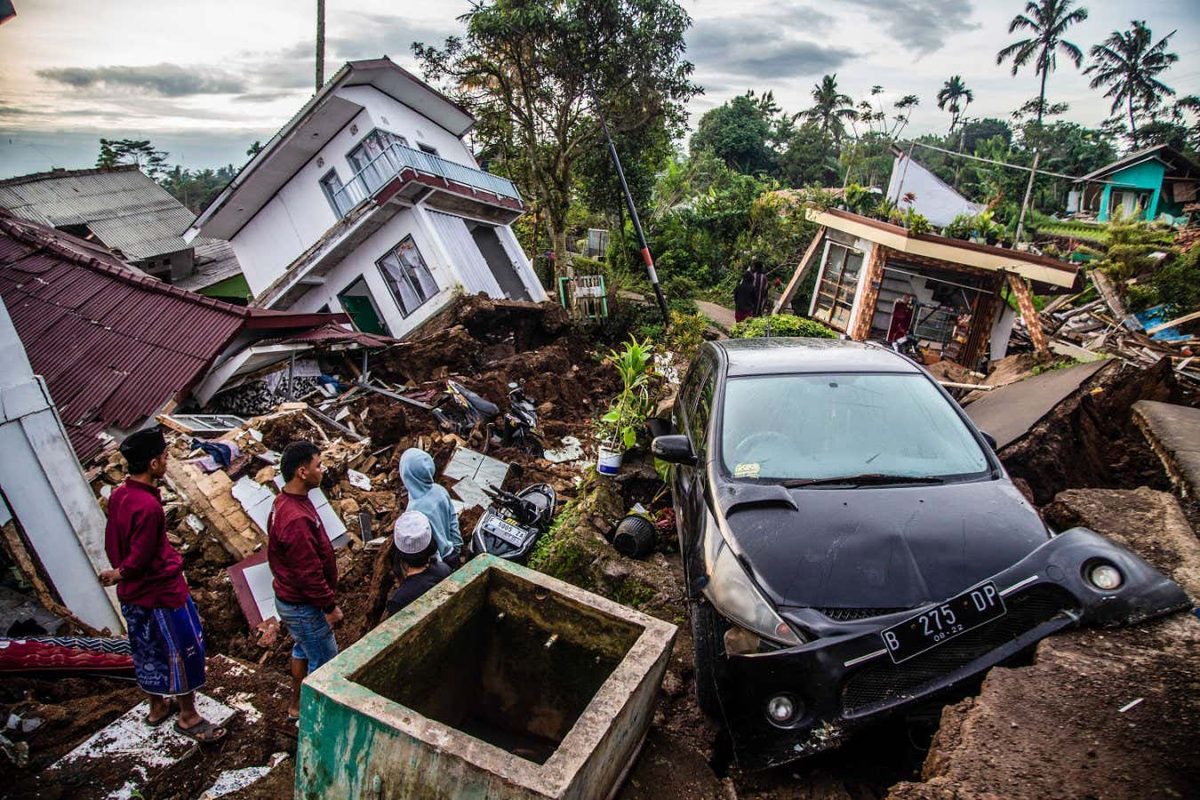
Revolutionizing Earthquake Detection: The Role of Mobile Technology
Introduction
In a groundbreaking initiative that merges technology with safety, Google has unveiled its Android Earthquake Alerts program. This innovative system leverages billions of smartphone sensors globally to detect seismic activity and provide timely warnings to individuals in affected areas. With earthquakes posing significant threats to life and property, the ability to receive alerts through devices many people already carry could prove transformative in disaster response.
Key Details
- Global Reach: The program utilizes smartphones across various regions, including those most prone to seismic activity.
- Real-Time Alerts: Users receive notifications seconds before shaking occurs, allowing for immediate protective actions.
- Community-Based Data: The alerts are generated from aggregated data from users’ devices, creating a robust early warning system.
- Free and Accessible: The service is available to all Android users, enhancing its accessibility and potential impact.
- Partnerships: Google collaborates with geological organizations worldwide to refine detection algorithms and improve alert accuracy.
Background
The concept of earthquake early warning systems is not new; however, the integration of mobile technology into this field represents a significant advancement. Traditional systems often rely on seismic monitoring stations that are strategically placed in high-risk areas. While effective, these systems can be limited in scope and accessibility. In contrast, Google's approach democratizes earthquake detection by utilizing the very devices that billions of individuals carry every day.
Earthquakes can strike with little to no warning, often resulting in devastating consequences. Recent data suggests that areas such as California and Japan are particularly vulnerable, making the need for rapid response mechanisms critical. By transforming smartphones into seismic sensors, Google aims to capitalize on the widespread reach of mobile technology to mitigate the impacts of such natural disasters.
Analysis
The implications of this program are profound. For one, the Android Earthquake Alerts system can significantly enhance public safety. As smartphone penetration rates continue to rise, the potential for widespread alert dissemination increases. In regions with high seismic activity, this could mean the difference between life and death, as users can take protective measures—such as dropping to the ground, taking cover, and holding on during an earthquake—before the shaking begins.
Moreover, this program shifts the paradigm of earthquake preparedness. Rather than relying solely on governmental or institutional alerts, individuals can now play an active role in their safety. The community-based nature of the data collection allows for a richer and more timely understanding of seismic events, as alerts can be issued based on real-time information gathered from users' devices.
However, challenges remain. The accuracy of alerts is paramount; false alarms could lead to confusion and complacency, potentially undermining the effectiveness of the system. Google must continually refine its algorithms and ensure that the data collected is both reliable and precise. Additionally, public education about how to respond to alerts is crucial. Without proper understanding, even the best warning system may not yield the intended safety outcomes.
Conclusion
Google's Android Earthquake Alerts program stands at the forefront of a new era in earthquake detection and response. By harnessing the power of mobile technology, it offers a pioneering solution to a longstanding challenge in public safety. As this system rolls out and matures, it has the potential to save countless lives and transform how communities prepare for and respond to seismic threats. The future of earthquake preparedness may very well lie in the pockets of individuals, turning everyday smartphones into vital tools for survival.