Record Cyclosporiasis Outbreak Exposes Weakened Food Safety Net Amid Funding Cuts
Introduction
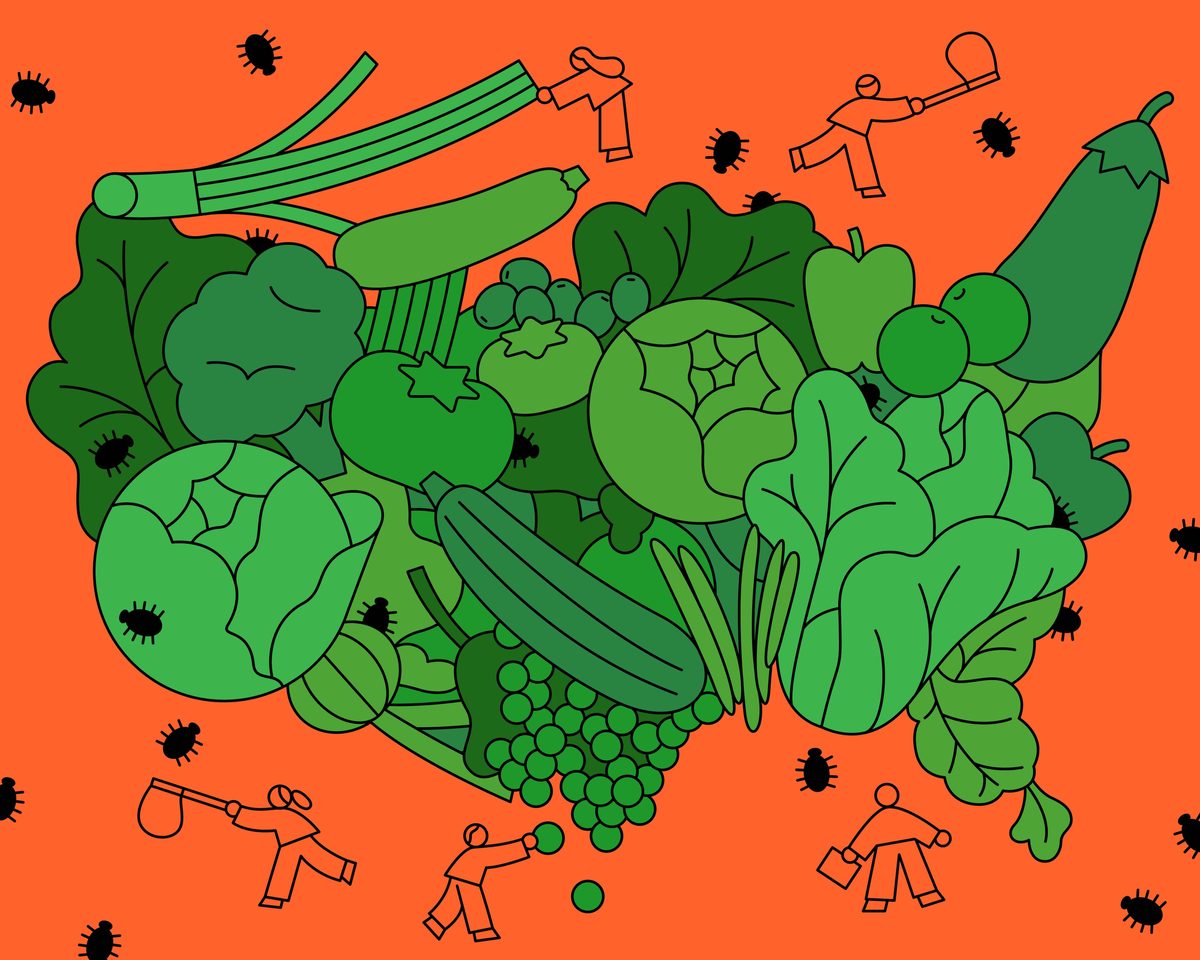
The United States is currently grappling with the largest-ever recorded outbreak of cyclosporiasis, a parasitic illness causing debilitating gastrointestinal distress. As of this week, the Centers for Disease Control and Prevention (CDC) has confirmed over 15,700 cases, primarily linked to contaminated iceberg lettuce originating from Mexico. This record-shattering event is not merely a public health challenge; it serves as a stark indicator of the systemic weaknesses within the nation's food safety infrastructure, exacerbated by years of significant funding reductions and staffing shortages at both federal and local levels.
Key Details
- The Outbreak: The current cyclosporiasis outbreak, which began in May, has reached unprecedented levels, with over 15,700 confirmed cases across the U.S.
- Source Identification: The outbreak has been predominantly linked to iceberg lettuce grown in Mexico.
- Federal Response Concerns: Experts like former FDA official Susan Mayne and public health consultant Bob Custard express concerns about the government's slow response and the disarray of federal food safety programs.
- Funding and Staffing Cuts: Significant budget reductions, particularly during the Trump administration, have led to understaffing in crucial food safety roles at the FDA, CDC, and state/local health departments.
- Impact on Investigations: Reduced staffing hinders the ability of health officials to conduct necessary interviews and investigations to track and contain foodborne illnesses effectively.
- International Coordination: Disruptions to partnerships with international bodies, such as those in Mexico, due to staffing and funding cuts, complicate outbreak investigations.
- State-Level Variations: While some states report being unaffected by staffing cuts (e.g., Ohio), others, like Kentucky, have seen 30-50% reductions in food safety staff. Michigan has managed to maintain its programs through legal challenges against grant cuts.
- USDA Lab Closures: Research labs at the U.S. Department of Agriculture focused on food safety and parasitic diseases have been impacted by relocation orders, potentially halting critical research.
Background
The challenges highlighted by the current cyclosporiasis outbreak are not new. Public health experts have been sounding the alarm for years about the gradual erosion of food safety systems. Bob Custard, a public health consultant and president of the West Virginia Association of Sanitarians, draws a poignant analogy: “It's like we have a house, and we decided to take smoke detectors out.” This sentiment reflects a broader concern that proactive measures for foodborne illness prevention have been systematically dismantled. The cuts have impacted everything from local environmental health services, responsible for clean water, rabies prevention, and food safety, to the specialized scientific expertise within federal agencies. The elimination of teams focused on public awareness and international crisis coordination, as noted by Susan Mayne, former head of the FDA's Center for Food Safety and Applied Nutrition, has left the system more vulnerable to emerging threats.
“And now we have this outbreak with Mexico – I don't know who's managing that partnership, [but] those relationships obviously have been disrupted,” said Susan Mayne, former FDA official.
Impact Analysis
The most immediate impact of the weakened system is the impaired ability to respond effectively to outbreaks. With fewer personnel, local health departments struggle to conduct the extensive contact tracing and epidemiological investigations required to pinpoint sources and prevent further spread. This delay allows pathogens to circulate more widely, increasing case numbers and prolonging the duration of outbreaks. Furthermore, the reduction in scientific expertise and lab capacity at federal agencies like the CDC and USDA means that pathogen identification, genetic sequencing, and research into effective treatments are curtailed. The closure or scaling back of USDA parasitology labs, for instance, raises questions about the continuity of vital research. This creates a domino effect: local agencies lack support, federal agencies are stretched thin, and the public faces prolonged periods of uncertainty about food safety, leading to confusion and potential health risks. The cost to public health, as Sarah Sorscher of the Center for Science in the Public Interest notes, is not just in the number of illnesses but also in the “delays, lack of clarity and time in solving problems.”
Broader Context
The current crisis is situated within a larger trend of diminishing public health funding and a shifting approach to regulatory oversight. The divestments in the U.S. food safety system predate the most recent administration cuts, with strain now manifesting as tangible harm. The loss of international development funding, particularly through the now-defunct USAID, has had significant ripple effects. This agency historically supported crucial work in pathogen monitoring and scientific exchange, which benefited domestic food safety efforts. When these international collaborations falter, it directly impacts the U.S.'s ability to monitor and respond to threats originating abroad. Moreover, the removal of Cyclospora and other pathogens from active tracking within CDC's FoodNet surveillance program signifies a move away from proactive data collection aimed at understanding long-term trends and preparing for future outbreaks. This reduction in systematic data collection makes it harder to assess whether the food safety situation is improving or deteriorating.
Future Outlook
Public health experts are deeply concerned that the current vulnerabilities will lead to an increase in foodborne illnesses, which will become increasingly difficult to prevent, trace, and contain. The delayed implementation of the food traceability rule, enacted in 2011 but not yet fully operational, is a critical missed opportunity. This rule, designed to require bar codes on produce batches for rapid source identification, could have significantly limited the spread of this outbreak had it been in effect. Without such robust traceability mechanisms, and with a weakened investigative infrastructure, the U.S. food safety system remains susceptible to recurring and potentially larger-scale crises. Experts like Bob Custard continue to warn that neglecting these foundational elements of public health is akin to “taking the smoke detectors out of the house, hoping that there won't be a fire.” The current outbreak serves as a potent reminder of the consequences of such an approach, underscoring the urgent need for sustained investment and strategic rebuilding of the nation's food safety defenses.
Conclusion
The record-breaking cyclosporiasis outbreak is a critical juncture for the U.S. food safety system. It exposes the profound impact of sustained funding cuts and staffing reductions on the capacity of public health agencies to protect the nation from foodborne threats. The interconnectedness of local, state, and federal agencies, as well as international partnerships, is essential for effective disease surveillance and response. The current situation, characterized by understaffed departments, reduced scientific capacity, and weakened international ties, leaves the U.S. in a state of heightened vulnerability. Addressing this requires not only restoring funding but also reinvesting in the expertise, infrastructure, and collaborative relationships necessary to ensure the safety of the nation's food supply. Failure to do so risks further outbreaks and a continued erosion of public trust in the systems designed to keep citizens safe.
Source: npr.org