New Guidelines Urge Stroke Rehab Within 48 Hours, Emphasizing Holistic Recovery
Introduction
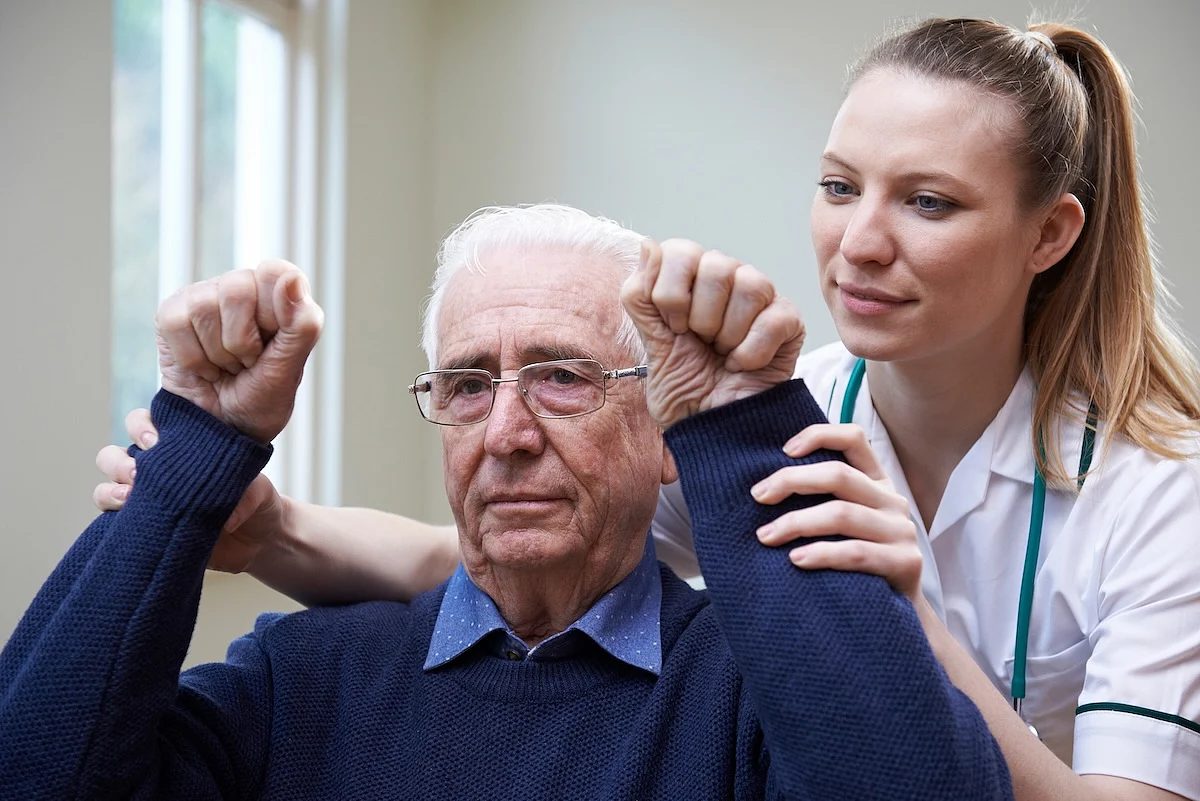
In a significant update for stroke care, the American Stroke Association has released new guidelines advocating for the prompt initiation of rehabilitation services for stroke survivors. The recommendations, published in the journal Stroke on August 27, 2026, emphasize that rehabilitation should commence as soon as a patient is medically stable, ideally within 48 hours of the stroke event. This accelerated timeline aims to maximize recovery potential and improve long-term outcomes for individuals affected by this life-altering condition.
Key Details
- Early Intervention: Rehabilitation should begin in the hospital once the patient is stable, with a target of starting within 48 hours of the stroke.
- Personalized Approach: Care plans must be tailored to individual symptoms, cognitive abilities, and mental health needs.
- Holistic Recovery: Rehabilitation should address physical, cognitive, communication, emotional, and social aspects of recovery.
- Mental Health Focus: Routine screening for depression, anxiety, and other mental health challenges is crucial, with integrated support strategies.
- Daily Living Adaptation: Assistance is needed to help survivors return to work, manage family responsibilities, and adapt to changes in daily life, including sleep, pain, and sexual function.
- Caregiver Inclusion: Caregivers should be actively involved in rehabilitation planning, education, and support.
- Multidisciplinary Team: Effective rehabilitation requires a coordinated team of specialists, including neurologists, therapists (physical, occupational, speech-language), nurses, social workers, and psychologists.
Background
Stroke remains a leading cause of death and disability in the United States, with nearly 800,000 Americans experiencing a stroke annually. The impact extends far beyond immediate physical limitations, affecting survivors' mental health, relationships, independence, and overall quality of life. Sara Kutzle, a stroke survivor who contributed to the development of these guidelines, shared her personal experience: “At first, I was focused on getting my body to recover, but I quickly realized healing involved so much more than that,” she stated. “My confidence, my mental health, my relationships and my sense of independence were all affected.” Her journey underscores the multifaceted nature of recovery, highlighting the need for comprehensive support systems.
Impact Analysis
The emphasis on initiating rehab within 48 hours is grounded in the understanding that the brain is most adaptable in the early stages post-stroke. Prompt intervention can help prevent secondary complications, reduce the risk of long-term disability, and potentially accelerate the regaining of lost functions. Lorie Gage Richards, lead writer of the guidelines and associate professor at the University of Utah, explained the complexity: “Stroke rehabilitation is complicated. A stroke can affect many of the skills people rely on for daily living, and even the most routine activities involve multiple physical, cognitive and communication abilities working together.” The guidelines acknowledge that recovery is not linear and varies significantly among individuals, necessitating a departure from one-size-fits-all approaches.
Broader Context
Beyond the physical aspects, the new guidelines place significant importance on mental well-being. The guidelines recommend screening for conditions like depression and anxiety, which are common after a stroke and can significantly impede recovery. Kutzle’s experience reinforces this: “Understanding that mental health is part of recovery changed everything for me.” The inclusion of caregivers is another critical element, recognizing their vital role and the strain they often endure. By integrating caregivers into the rehabilitation process, the guidelines aim to create a more supportive environment for both the survivor and their family.
“Recovery doesn't look the same for everyone, and care should be personalized to fit each person’s needs,” Richards stated.
Future Outlook
The long-term nature of stroke recovery, which can span months or even years, requires sustained and adaptable support. The guidelines advocate for a multidisciplinary approach, bringing together various specialists to provide comprehensive care. This collaborative model ensures that all facets of a survivor's needs—from motor skills and speech to emotional adjustment and reintegration into society—are addressed. The ultimate goal is not just to regain lost abilities but to foster resilience, a renewed sense of purpose, and the capacity to navigate a changed life with confidence. As Richards put it, “Recovery after a stroke is about more than getting stronger physically and regaining abilities. It’s an ongoing process that includes coping with emotional changes after a major health event, adjusting to new challenges and moving forward with a renewed sense of purpose and resilience.”
Conclusion
The updated guidelines from the American Stroke Association represent a significant step forward in stroke rehabilitation. By prioritizing early intervention, personalized care, and a holistic approach that encompasses mental health and caregiver support, these recommendations offer a more effective and compassionate pathway to recovery for stroke survivors. The focus on adapting to a new reality, rather than solely returning to a pre-stroke state, empowers individuals to embrace their recovery journey with resilience and a redefined sense of self.
Source: drugs.com